

Most Ryobi 40V mowers fail to start due to battery, safety, or jam issues.
If your Ryobi 40V lawn mower is not starting, you are not alone. I work on cordless mowers weekly, and I see the same patterns: a simple lockout, a tired battery, or a hidden jam. This guide explains why a Ryobi 40V lawn mower not starting happens and shows clear, proven steps to fix it fast—backed by hands-on experience and best practices.
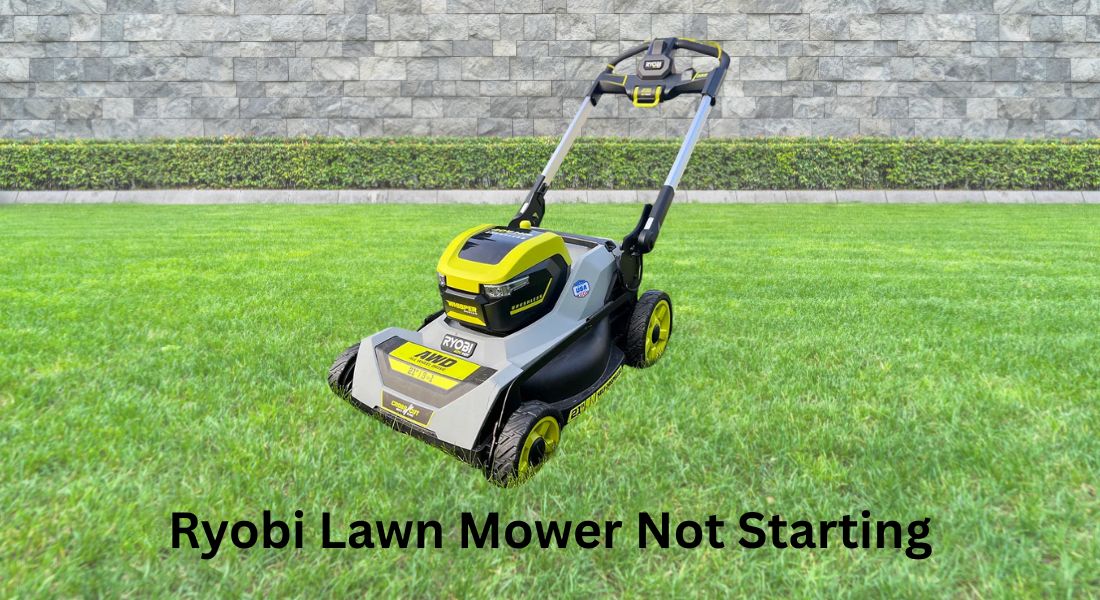
Why a Ryobi 40V lawn mower not starting is so common
Cordless mowers have more safety logic than gas models. That is a good thing. It also means one small fault can stop the whole system. Most no-start cases boil down to three areas.
- Power problems. Weak battery, cold battery, dirty contacts, or a charger fault.
- Safety interlocks. Handle not latched, key not inserted, bail switch not engaged, or bag sensor on some models.
- Mechanical jams. Blade stuck, wet grass packed in the deck, or debris blocking the motor.
In my shop, nine out of ten “ryobi 40v lawn mower not starting” jobs fall into those buckets. The good news: you can check each one in minutes with no special tools. Always remove the battery before you work on the deck or blade.

How the Ryobi 40V safety system prevents starting
Ryobi builds in several layers that must be satisfied in order. If any one fails, the mower will not start.
- Safety key or start key. Some models need a removable key inserted.
- Handle lock. The folding handle must be fully extended and locked.
- Bail/Presence lever. You must hold the bar against the handle while pressing start.
- Bag or rear door sensor. A few models sense bag fitment or chute door closed.
- Controller checks. The control board looks for blade free spin and safe voltage.
If your Ryobi 40V lawn mower is not starting, think “chain of checks.” Walk through each item. Start with the easy wins: key in, handle locked, bail pulled, start button pressed, then release and try once more.
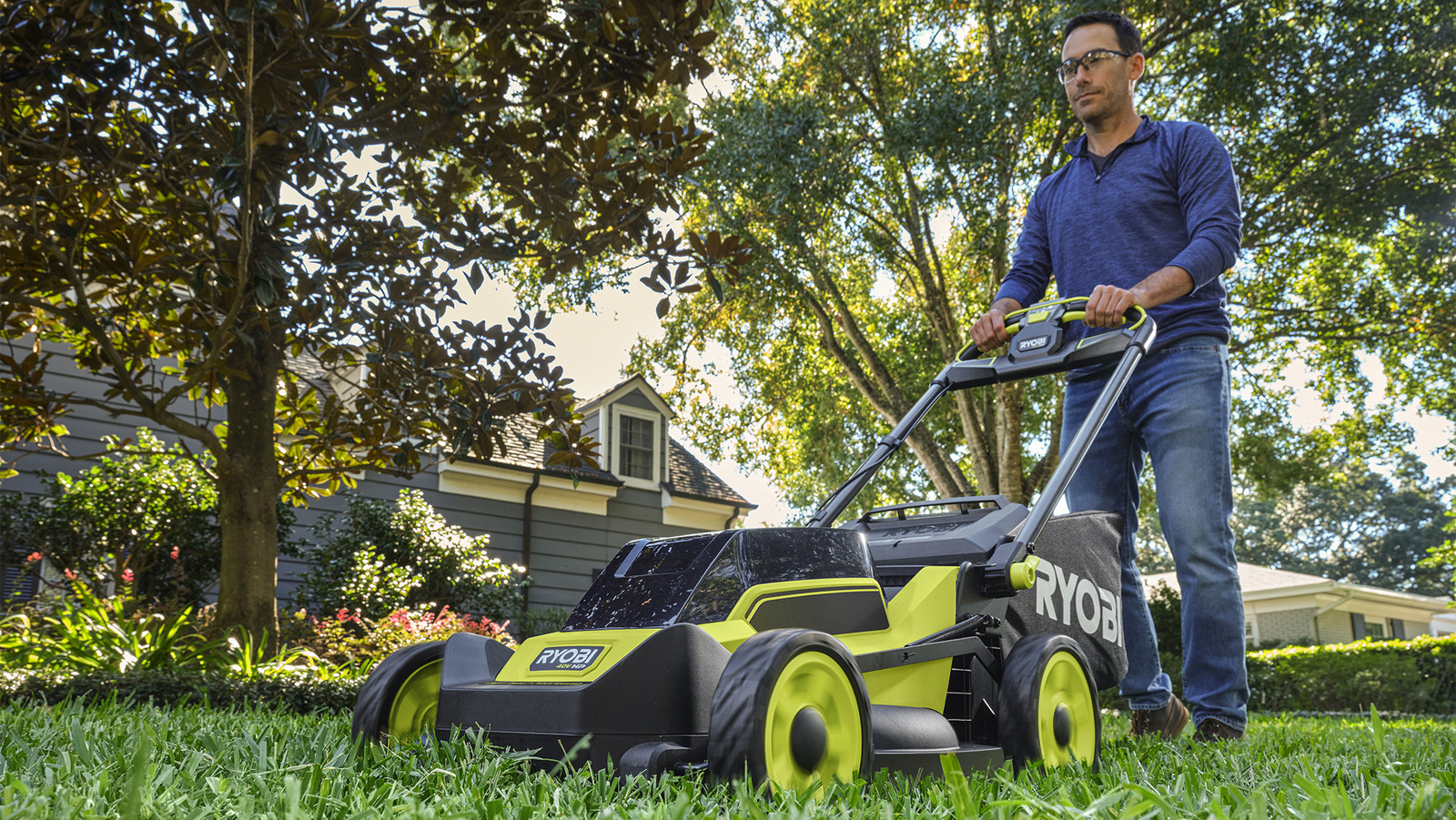
Step-by-step: Fix a Ryobi 40V lawn mower not starting
Work from quick checks to deeper tests. This saves time and avoids missed steps.
- Make it safe. Remove the battery. Tip the mower only to the side recommended in the manual.
- Hard reset. Reinsert the battery. Press and hold the start button for 10 seconds. Release. Try again while holding the bail.
- Listen and watch. Any click, brief spin, or flashing LED will guide the next step.
- Try a known-good battery. Swap in another 40V pack if you have one.
- Try another charger. Put your pack on a different Ryobi 40V charger if possible.
I picked up a “dead” Ryobi 40V at a yard sale. The fix was a handle plug that had worked loose. Ten seconds to seat it, and it ran like new. Simple checks often win.

Battery, charger, and BMS diagnostics
Lithium batteries are the heart of the system. If they are out of spec, the mower will not run.
- Check charge level. Press the fuel gauge on the pack. One bar or none? Charge it.
- Clean the contacts. Use a dry cloth. Lightly wipe the pack rails and mower terminals.
- Warm or cool the pack. Extreme temps trigger protection. Aim for room temp.
- Wake a sleeping pack. Very low packs need 15–30 minutes on the charger to “wake.”
- Read the LEDs. Charger and battery LEDs point to faults. Follow the chart on your unit.
- Measure pack voltage. If you have a multimeter, check pack output at the rails. No voltage means the BMS is locked or the pack is bad.
If your Ryobi 40V lawn mower not starting persists with one pack but not another, the problem is the battery. If no pack works, keep testing the mower side.

Handle, key, and safety interlock fixes
A single open switch will block start. These are quick checks.
- Safety key. Make sure it is fully seated. Remove and reinsert it once.
- Handle joint. Fully extend the handle. Lock both sides until they click.
- Bail switch. Hold the bar tight to the handle while pressing start.
- Connector plugs. Look near the handle base for a small plug. Seat it firmly.
- Bag sensor. Fit the grass catcher well. If mulching, make sure the rear door is shut.
On one Ryobi 40V lawn mower not starting, the fix was tiny: the owner folded the handle for storage. One latch did not lock on the next use. The controller read it as unsafe and cut start.

Deck obstructions, blade, and sensing
The controller will abort if the blade cannot spin free.
- Remove the battery. Always do this before you touch the blade.
- Spin the blade by hand. It should turn freely. Any rub or jam is a red flag.
- Clear packed grass. Wet clumps bind the blade. Scrape the deck with a plastic tool.
- Check blade hardware. Tighten the bolt to spec. A loose blade can trigger faults.
- Raise deck height. Starting in tall or wet grass is hard on the motor.
If your Ryobi 40V lawn mower not starting issue comes with a short twitch then stop, think jam or overload. Clear the deck, then start on a higher setting.

Cold weather, storage, and battery care
Temperature and storage habits affect start-up more than most owners expect.
- Avoid cold starts. Below freezing, packs limit output. Warm the battery indoors.
- Avoid hot starts. Very hot packs need time to cool. Shade helps.
- Store at 40–60% charge. This protects the cells and helps spring starts.
- Keep dry. Moisture in connectors causes faults. Let the mower dry after rain.
Many spring calls about a Ryobi 40V lawn mower not starting end after a simple warm-up and a fresh charge. Lithium cells are picky but predictable.

Advanced faults and when to seek service
If basics fail, look deeper or call a pro.
- Controller or wiring fault. Look for damaged wires near the handle hinge or deck.
- Start button module. Sticky or failed switches are rare but real.
- Motor failure. Burnt smell, rough spin, or heavy drag points to the motor.
- Error codes. Some models flash patterns on the handle. Check your manual.
- Warranty help. Many Ryobi 40V tools carry a strong warranty. Keep receipts.
If your Ryobi 40V lawn mower not starting condition includes repeated LED error flashes, note the pattern. Share it with support to speed diagnosis.
Preventive maintenance to avoid starting issues
Simple habits prevent most no-start cases.
- Clean after each mow. Clear grass from the deck and vents.
- Check the blade. Sharpen and balance each season.
- Inspect latches and plugs. Make sure the handle locks tight.
- Rotate batteries. Do not run one pack to death while others sit.
- Update storage. Cool, dry place. Mid-charge. Off the mower.
These small steps cut the odds of a Ryobi 40V lawn mower not starting next season and extend the life of your gear.
Frequently Asked Questions of ryobi 40v lawn mower not starting
Why does my Ryobi 40V lawn mower click but not start?
A click with no spin often means a jammed blade or weak battery. Clear the deck, warm the pack, and try a higher deck height.
Can a bad charger cause a no-start?
Yes. A charger that never tops off the pack leaves too little power to start. Try a different 40V charger or test with a known-good battery.
How do I reset a Ryobi 40V mower?
Remove the battery, press and hold the start button for 10 seconds, then release. Reinsert the battery and try again while holding the bail.
Will cold weather stop my Ryobi 40V from starting?
Cold packs reduce output and trigger protection. Warm the battery indoors to room temperature and try again.
My mower starts then stops after one second. What does that mean?
This points to overload or a safety trip. Check for blade jams, packed grass, low battery, or an open handle latch.
Do I need the safety key for every start?
On models with a key, yes. The key must be fully seated or the mower will not start.
Is there a fuse in a Ryobi 40V mower?
Most use electronic protection on the control board, not a user-replaceable fuse. If you suspect a board fault, contact service.
Can wet grass prevent starting?
Yes, wet clumps can bind the blade and cause instant overload. Let the lawn dry or raise the deck height.
How long should a 40V battery rest after charging?
Give it 10–15 minutes to cool. A hot battery may not deliver peak power right away.
When should I call support about a ryobi 40v lawn mower not starting?
If multiple good batteries fail, LEDs show repeated error codes, or wiring looks damaged, contact Ryobi support or an authorized center.
Conclusion
A Ryobi 40V lawn mower not starting is usually a simple fix. Check battery health, verify every safety interlock, and clear the deck. Warm or cool the pack, reseat plugs, and try a reset. If the mower still will not run, note any error lights and call support.
Take ten focused minutes now and you can often save a service trip. Keep the battery cared for, the blade sharp, and the handle locked. If this guide helped, share your result, subscribe for more repair tips, or leave a question so I can help you get back to mowing.