

Check fuel, air, spark, and safety switches first; then clean carb and replace plug.
When a lawn mower won’t start, it can ruin your weekend and your yard plan. I’ve fixed hundreds of small engines in home garages and pro shops. This guide explains what to do when lawn mower won’t start with clear steps you can follow now. I will show you quick checks, deeper fixes, and smart ways to prevent the next no-start. If your lawn mower won’t start, this is the exact playbook I use for fast, safe results.
Safety first and setup
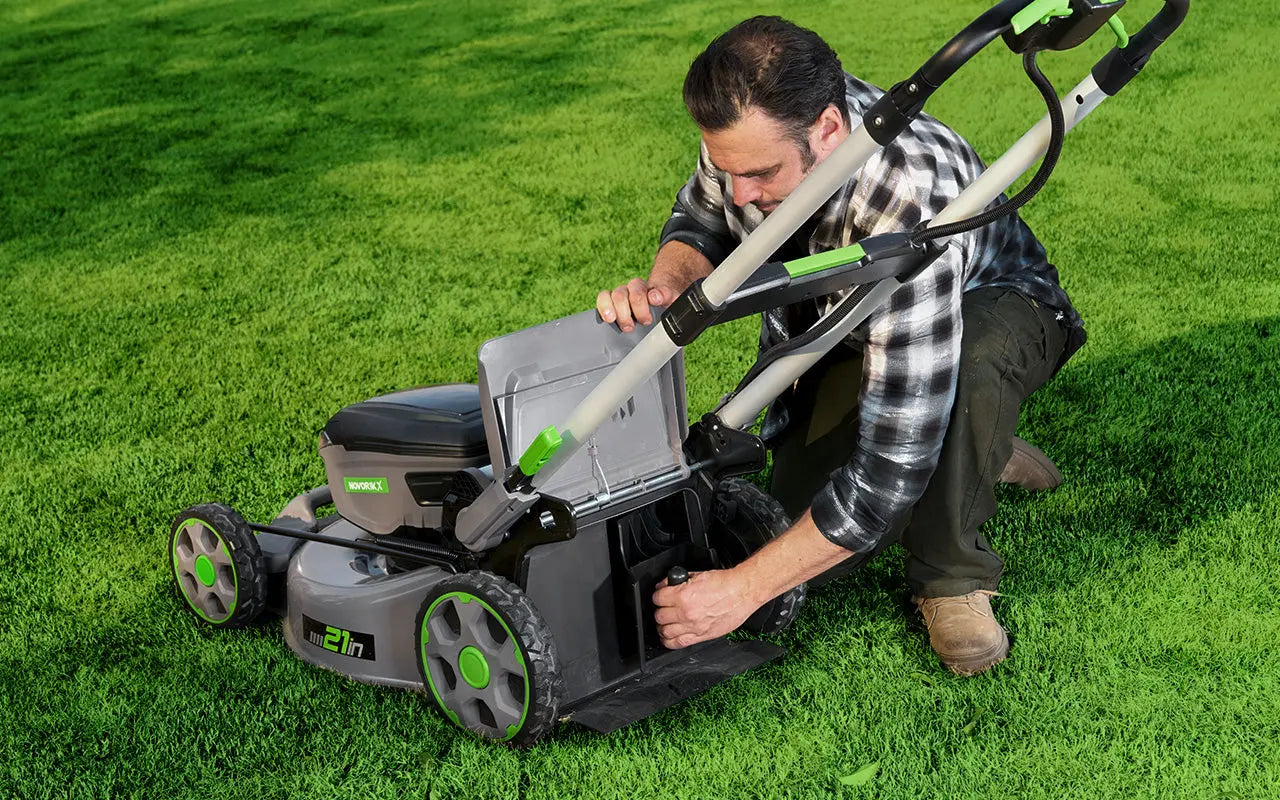
Before you touch the machine, think safety. A blade can still move even when the engine is off. Protect your hands and eyes, and work in a clear, bright space.
Do this before any test:
- Remove the spark plug wire on gas mowers to prevent accidental start.
- Turn the ignition off and remove the battery on electric mowers.
- Let a hot engine cool.
- Set the mower on level ground and chock a wheel if needed.
Personal tip: I keep a small tray for parts and my phone camera ready. A quick photo before you pull parts saves time during reassembly.

Fast checks when a lawn mower won’t start
Most no-starts are simple. These checks take minutes and fix many cases right away.
- Fuel age and level. If the gas is older than 30 days, it may be stale. Drain and add fresh, ethanol-free or stabilized fuel.
- Choke and primer. Cold starts need a closed choke and a few primer bulb presses. Warm starts often need no choke.
- Air filter. A clogged filter chokes the engine. Remove it and try a start for a few seconds. If it starts, replace the filter.
- Safety switches. The blade lever must be off. The bail bar must be held tight. Seat, lid, and neutral switches must be set on riders.
- Spark plug wire. Make sure it is pushed on fully. A loose boot is a common miss.
- Battery status on electric mowers. Charge to 100%. Reseat the pack until it clicks.
PAA-style quick answer: Why does a lawn mower won‘t start after winter?
- Old fuel gums the carb and blocks jets. Replace fuel, clean the carb bowl, and try a new plug.
PAA-style quick answer: Why does a lawn mower won’t start after hitting a rock?
- The flywheel key may have sheared and timing is off. Inspect and replace the key.
PAA-style quick answer: Why does a lawn mower won’t start only when hot?
- The ignition coil may fail when warm. Test for spark hot and replace the coil if needed.
Step-by-step diagnosis: fuel, air, spark, compression
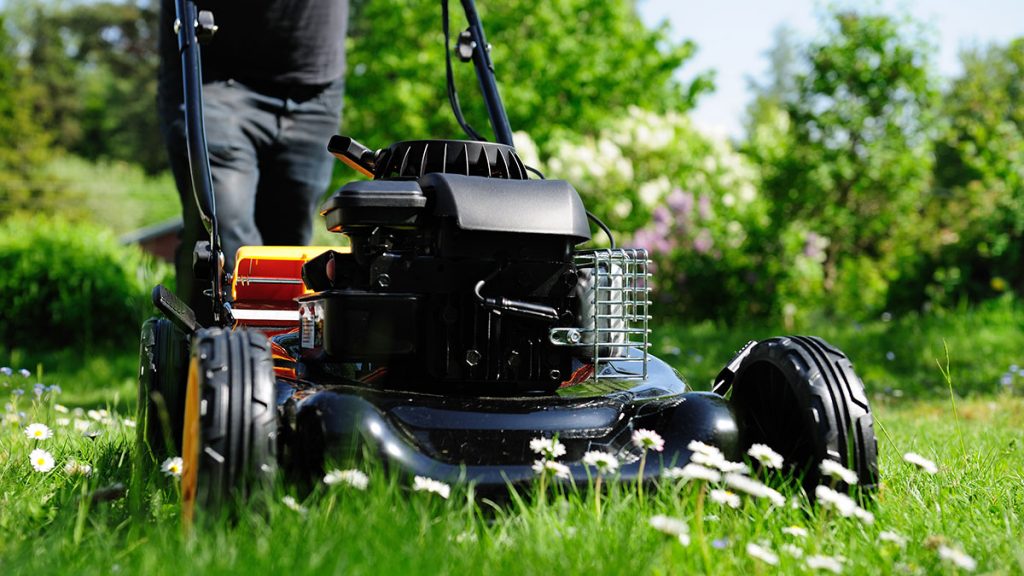
Move in order. Change one thing at a time so you know what fixed it. This is what to do when lawn mower won’t start and you need a method.
- Check fuel delivery
- Look for fuel in the tank. Open the cap and listen for a vent hiss. A blocked cap can stop flow.
- Disconnect the fuel line at the carb. Fuel should run in a steady stream. If not, replace the filter or clear the line.
- Check for spark
- Remove the spark plug. Clip it into the wire. Ground the plug base to metal. Pull the cord. You want a bright blue spark.
- No spark? Try a new plug first. Then check the coil gap, kill switch wiring, and safety switches.
- Check air and throttle
– Ensure the air filter is clean and seated. Confirm the choke plate closes for cold starts and opens after.- Make sure the throttle cable moves the carb lever freely.
- Check compression and mechanical health
- Pull the starter slowly. It should feel smooth with firm resistance.
- If the pull is too easy or bouncy, internal wear or a valve issue may exist. At that point, a shop test is smart.
Personal note: I never skip a new spark plug on stubborn jobs. A plug costs little and fixes a lot. I have seen a lawn mower won’t start come back to life in one pull with a fresh plug.

Fuel system fixes that solve most no-starts
Modern gas breaks down fast. Ethanol draws water. Gums form and jets clog. If your lawn mower won’t start, the carburetor is often the culprit.
Try this sequence:
- Replace old fuel
- Drain the tank and the carb bowl. Add fresh, top-tier fuel. Use a stabilizer if the mower sits more than a month.
- Prime and choke correctly
- Cold: full choke, three to five primes, then pull or crank.
- Warm: no choke, one prime at most.
- Clean the carb float bowl
- Shut the fuel valve or clamp the line.
- Remove the bowl nut. Catch old fuel. Spray carb cleaner through the main jet and passages.
- Replace the bowl gasket if it looks flat or torn.
- Clear the jet
- Use a thin bristle from a wire brush. Do not enlarge the hole. Spray again and reassemble.
- Replace the fuel filter and inspect the fuel line
- Filters clog and starve the engine. Lines crack and leak air. Replace as needed.
- Check the fuel solenoid (on some riding mowers)
- Turn key on. You should hear a click. No click can mean a bad solenoid or no power.
Field story: A customer’s lawn mower won’t start after two pulls every spring. We found green varnish in the bowl. A 10-minute clean and a new filter solved it. We added stabilizer at each fill. It never came back.
Ignition and spark: plug, coil, and timing
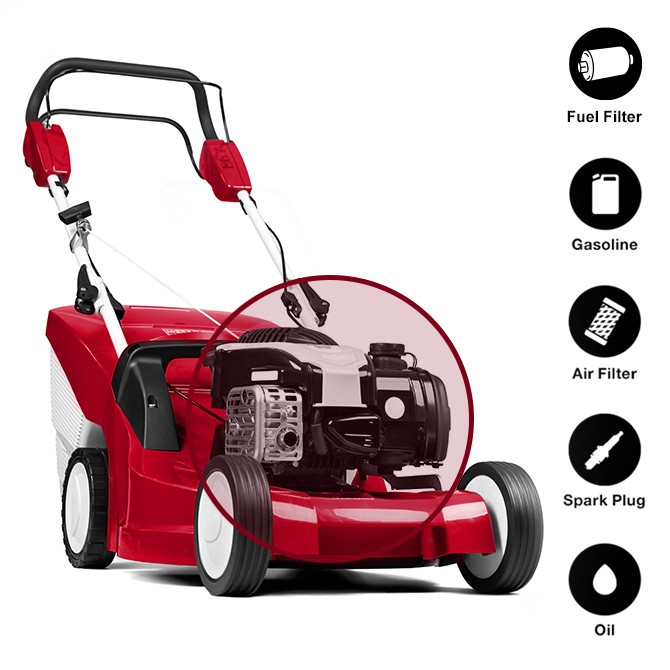
If you have fuel and air, spark is next. A weak or missing spark means no start.
- Replace the spark plug
- Match the plug type from the manual. Set the gap as specified. Hand-thread first to avoid cross-threading. Snug, do not over-tighten.
- Inspect the coil and kill wire
- Remove the recoil cover to access the coil. Set the coil gap with a business card between coil and flywheel magnets, then tighten.
- Unplug the kill wire. If spark returns, the switch or wiring is shorted.
- Check the flywheel key if you hit an object
- A hard strike can shear the key and shift timing. Remove the flywheel nut and inspect the small key. Replace if it is bent or broken.
- Verify ground and connections
- Clean corrosion from terminals. Tight grounds protect spark quality.
When a lawn mower won’t start only when hot, I go straight to the coil. Heat can break it down. A simple swap often restores warm restarts.

Airflow and mechanical checks
Engines need clean air and free movement. Simple clogs can stop a start.
- Air filter service
- Paper filter: tap out dust or replace. Foam pre-filter: wash in warm soapy water, dry, and oil lightly.
- Blade and deck
- Disconnect the plug wire. Tip the mower with the carb side up. Clear wet grass under the deck. A jammed blade can stop cranking.
- Oil level and type
- Low oil can trigger a sensor on some engines. Too much oil can flood the air filter. Set to the dipstick mark with the right weight oil.
- Flooded engine recovery
- Turn off choke. Open throttle. Pull with the plug out for a few pulls to clear fuel. Dry or replace a fuel-soaked plug.
- Compression concerns
- Persistent low resistance, backfiring, or puffs from the carb suggest valve or head issues. That’s the point to call a pro.
Electric and battery mowers that won’t start
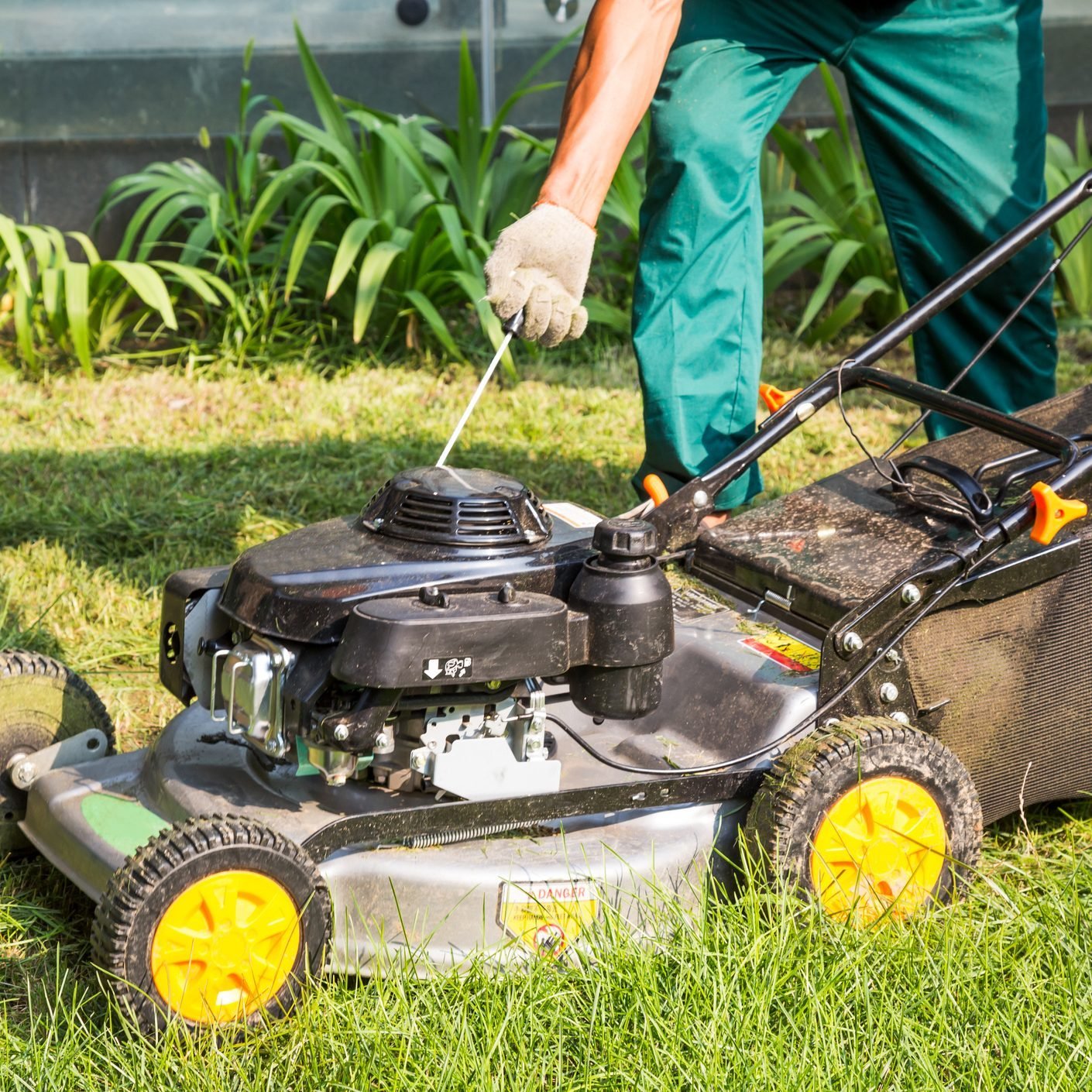
Corded and cordless mowers have different failure points. The logic is simple once you check each link.
- Corded models
- Check the outlet with another tool. Inspect the extension cord rating and length. Reset any GFCI. Verify the safety lever and bail switch.
- Battery models
- Charge the pack fully. Reseat until it clicks. Clean contacts with alcohol. Try a second battery if you have one.
- Check bag or chute sensors. Many units will not start if the bag is not seated.
- Brush motor vs brushless
- Brush motors wear out brushes. Brushless rely on sensors and boards. If lights blink a code, check the manual for the pattern.
- Storage tip
- Store batteries at moderate charge and temperature. Extreme heat or cold reduces life and power.
I have seen many “dead” battery mowers wake up after cleaning contacts and reseating the bag. Simple, but easy to miss when a lawn mower won’t start and you feel rushed.

Seasonal tune-up to prevent the next no-start
Most no-start issues come from skipped maintenance. A small plan saves time and money.
Do this every season:
- Replace the spark plug and air filter.
- Change oil at the hour mark in the manual or once a season.
- Sharpen and balance the blade. A sharp blade reduces strain.
- Add fuel stabilizer at every fill if storage exceeds 30 days.
- Run the carb dry before long storage or use a shutoff valve.
- Grease cables and pivot points as instructed.
Every month in heavy use:
- Check deck buildup. Clean after each mow in wet grass.
- Inspect cables for stretch and adjust as needed.
Troubleshooting map you can follow fast
When a lawn mower won’t start, follow this simple path.
- Pull the handle or press start.
- No sound on electric, or very easy pull on gas
- Check safety switches, battery, and plug wire.
- Engine cranks but does not fire
- Replace old fuel and prime. Check for spark. Clean carb bowl and jet.
- Engine fires then stalls
- Open the fuel cap to test venting. Replace filter. Clean carb passages.
- Backfire or kickback
- Inspect the flywheel key and coil gap.
- Starts only with choke
- Carb is lean. Clean jets and check for vacuum leaks.
- Starts then floods
- Check float needle and seat. Replace worn gaskets.
Keep notes on what you tried. The next time a lawn mower won’t start, your own log becomes gold.
Tools and supplies checklist
A small kit solves most problems fast. This is what I keep in my bag.
- Spark plug wrench, new plug, feeler gauge
- Screwdrivers, nut drivers, and a small socket set
- Carb cleaner, contact cleaner, and shop towels
- Fuel line pinch clamp, spare fuel filter, clear hose
- Business card for coil gap
- Fresh fuel and stabilizer
- Multimeter for battery and switch tests
- Gloves, safety glasses, and a parts tray
With this kit and the steps above, you can fix many cases when a lawn mower won’t start in under an hour.
Frequently Asked Questions of what to do when lawn mower won’t start
Why does my lawn mower only start with starter fluid?
This points to a fuel delivery issue. Clean the carburetor jets and bowl, replace the fuel filter, and use fresh fuel.
How do I know if my lawn mower is flooded?
You may smell fuel and see a wet plug. Remove the plug, pull the cord a few times to clear the cylinder, dry or replace the plug, and try again with no choke.
Can bad gas make a lawn mower won’t start even after I add fresh fuel?
Yes, old gas in the carb bowl can still block jets. Drain the bowl, spray cleaner through the main jet, and refill with fresh stabilized fuel.
What safety switches stop a lawn mower from starting?
Common switches include the bail bar, blade brake, seat switch on riders, bag or chute switch, and neutral or brake switch. All must be set for the engine to start.
How often should I replace a spark plug on a mower?
Replace once per season or about every 25–50 hours. If starts get hard or the plug looks fouled, replace sooner.
Why does a lawn mower won’t start after I tip it?
Oil and fuel can enter the air filter or carb. Let it sit level, replace or dry the air filter, and try again with no choke.
What does no spark mean on a pull test?
It often means a bad plug, shorted kill wire, or failed ignition coil. Start with a new plug, then check wiring and coil gap.
Conclusion
A clear process beats guesswork. Start safe, confirm fuel, air, and spark, then work through the carb, coil, and switches. When a lawn mower won’t start, these steps solve most cases fast, and regular tune-ups prevent the next stall. Pick one section above and act now: swap the plug, drain old fuel, or clean the bowl. If you found this helpful, subscribe for more home repair guides and share your results in the comments.