

The spark plug on most riding lawn mowers is mounted on the engine cylinder head, under a rubber boot.
I have over a decade of hands-on experience servicing small engines, and this guide will clearly show where is the spark plug on riding lawn mower, why its location matters, and how to access it safely. Read on for step-by-step directions, model-specific tips, troubleshooting, and my practical advice from years of tune-ups and repairs.
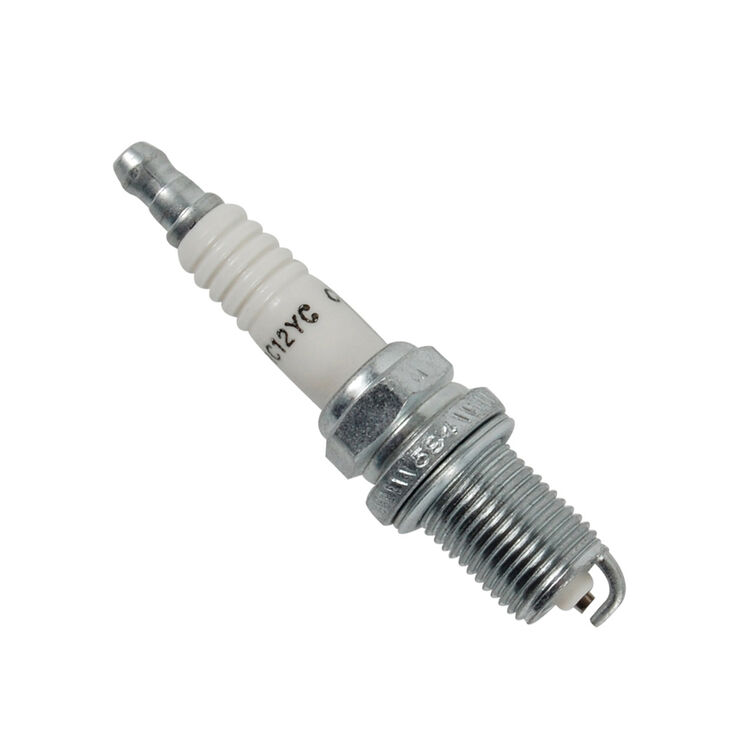
Common locations for the spark plug on riding lawn mowers
Spark plugs on riding lawn mowers are almost always attached to the engine cylinder head. You will usually find a short metal stud with a threaded end and a thick rubber boot over it. The plug sits near the top of the engine to allow a direct spark to the combustion chamber. Manufacturer layout varies, but the general position is consistent across most Briggs & Stratton, Kohler, and Kawasaki engines.
- Typical positions include the front, side, or top of the engine block, near the flywheel cover.
- Small air-cooled engines place the plug under a shroud or plastic cover.
- Twin-cylinder engines may have two plugs, one per cylinder.
Where is the spark plug on riding lawn mower for common brands? For many Briggs & Stratton units, it will be on the side of the cylinder head under an ignition lead. Kohler and Kawasaki often put the plug on top or at a slight angle. Always consult your owner’s manual if you are unsure.

How to find and access the spark plug step by step
Follow these simple steps to locate and access the spark plug on your mower. Each step keeps safety in focus.
- Park on level ground and remove the key.
- Set the parking brake and disconnect the spark plug wire from the plug to prevent accidental starts.
- Remove any plastic shrouds, covers, or battery trays that block access. Keep hardware organized.
- Look for a thick insulated wire or boot leading to the engine head. That boot covers the spark plug.
If you still can’t see it, tilt the mower deck or remove the air filter housing. My tip: take a photo with your phone before disassembly. It helps during reassembly.
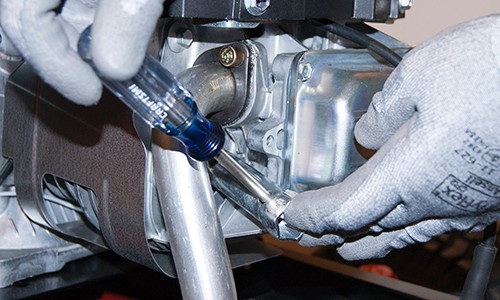
Removing and installing a spark plug
Use the correct socket and tools. Work with short, clear steps.
- Disconnect the spark plug wire by pulling the boot, not the wire.
- Use a spark plug socket and ratchet. Turn counterclockwise to remove.
- Inspect the plug for carbon deposits, oil, or wear.
- Replace with the correct type and gap per your manual. Hand-start the thread to avoid cross-threading.
- Tighten to the torque spec or snug plus a quarter turn if you don’t have a torque wrench.
I once cross-threaded a plug by forcing it. Lesson learned: always start threads by hand. It takes seconds and avoids a costly repair.

Tools and parts you will need
Prepare these tools before you work to make the task fast and safe.
- Spark plug socket sized to your plug (commonly 5/8″ or 13/16″).
- Ratchet and extension.
- Gap gauge to set the electrode gap.
- New spark plug specified by the mower manufacturer.
- Dielectric grease for the boot (optional, helps repel moisture).
Buying the wrong plug is common. Bring the old plug to the store or check the owner’s manual for the part number.

Troubleshooting common spark plug issues
Knowing where is the spark plug on riding lawn mower helps you troubleshoot. These signs point to plug issues.
- Hard starts or no start often indicate fouled or worn plugs.
- Blue or wet deposits suggest oil entering the combustion chamber.
- Black, sooty deposits mean a rich fuel mix or clogged air filter.
- A cracked porcelain insulator indicates electrical failure and needs immediate replacement.
When in doubt, swap the suspected plug with a known good plug to test ignition quickly.
Model variations and special cases
Some riding lawn mowers have unique layouts. Expect these variations.
- Rear-mounted engines: plug may be behind the engine near the transmission.
- V-twin or twin cylinder: two plugs, one per cylinder, often mirrored.
- Enclosed engine bays: plugs might hide under a plastic cowling or battery tray.
- Electronic ignition modules: follow the heavy ignition lead to find the boot.
If you own a commercial or zero-turn mower, the spark plug location may differ from residential models. Always follow manufacturer service guides for those units.

Safety tips and best maintenance practices
Safety and routine checks prevent breakdowns and extend engine life.
- Always disconnect the spark plug wire before working.
- Wear gloves and eye protection.
- Replace spark plugs every season or per hours of use as recommended.
- Use the correct gap and torque specification to avoid misfires and damage.
- Keep the plug boot and wire free from oil and debris.
A brief seasonal inspection saved me a towing bill once. A loose boot caused intermittent starting. Tightening and cleaning fixed it in minutes.

Why knowing where the spark plug is matters
Knowing where is the spark plug on riding lawn mower saves time and money. It helps you do quick checks, tune-ups, and emergency fixes in the yard. A small routine task keeps the engine efficient and reduces fuel use. It also gives you confidence to handle other small engine tasks.
Frequently Asked Questions of where is the spark plug on riding lawn mower
Where exactly is the spark plug located on my riding mower?
The spark plug is typically mounted in the engine cylinder head. Look for a thick rubber boot or an insulated wire leading to the top or side of the engine.
How do I safely disconnect the spark plug?
Turn off the engine, remove the key, and pull the spark plug boot straight off the plug. Never yank the wire itself. This prevents damage.
Can I start my mower without the spark plug?
No. Removing the spark plug prevents combustion. The engine will not start, which is useful for safe maintenance but not for normal operation.
How often should I replace the spark plug on a riding mower?
Replace it every season or as recommended in your owner’s manual. High hours or rough operation may require more frequent replacement.
What if I can’t see the spark plug under covers?
Remove any plastic shrouds, the air filter housing, or battery tray that blocks access. Refer to the manual diagrams if needed.
Conclusion
Knowing where is the spark plug on riding lawn mower is a small but powerful skill. Find the plug on the engine head, follow safe removal and installation steps, and perform simple checks each season. These steps keep your mower starting strong and running well. Try a quick seasonal inspection today, and leave a comment or subscribe for more practical small-engine tips.