

Most self-propel issues come from a loose cable, worn belt, or stuck wheels.
If your Craftsman lawn mower self propelled not working has you pushing instead of gliding, you’re in the right place. I service walk-behind mowers each season, and I’ll show you exactly how to diagnose and fix this problem. This guide breaks down why a Craftsman lawn mower self propelled not working happens, how the drive system works, and the best repair steps you can do at home, even if you’re new to repairs.
How the self-propel system works on a Craftsman mower
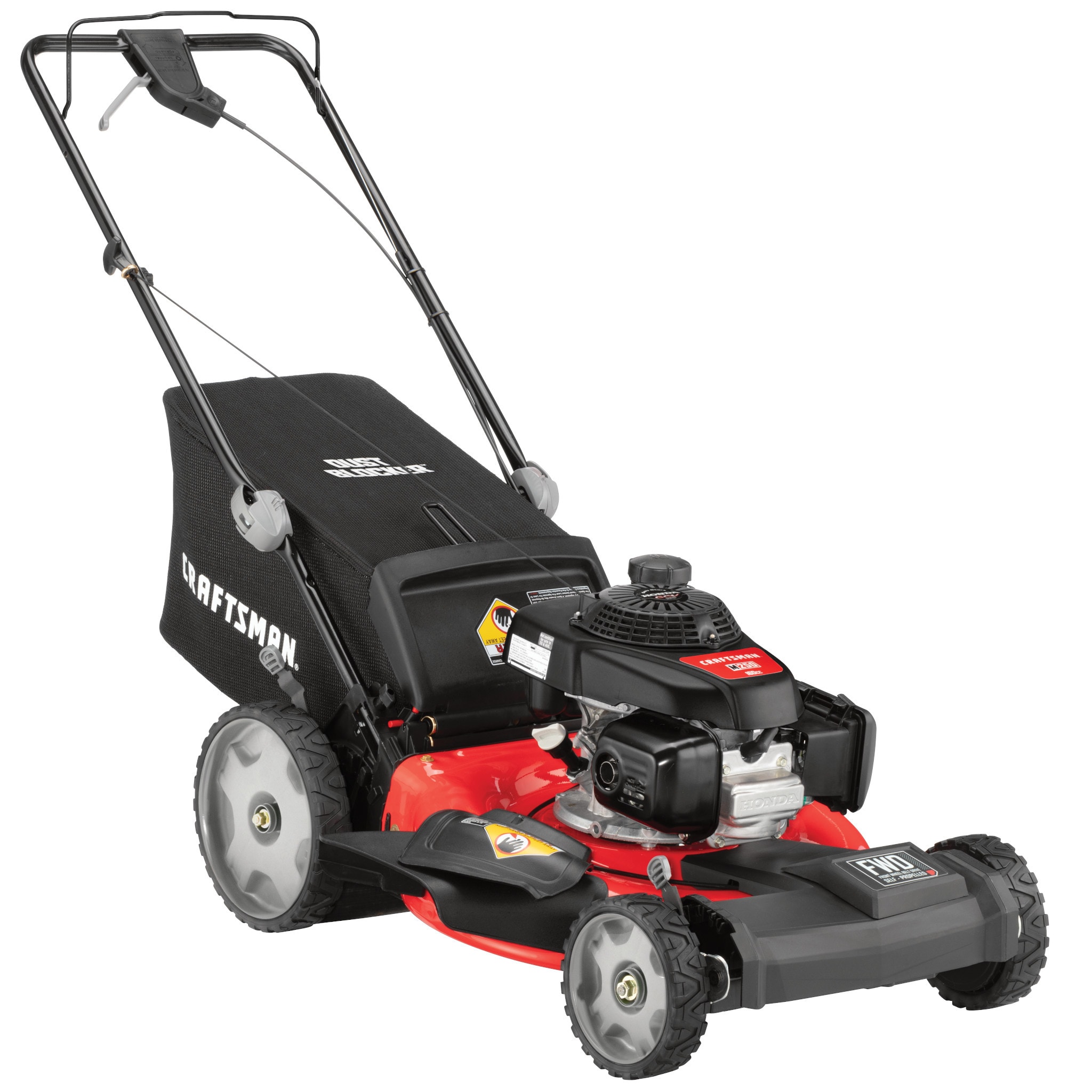
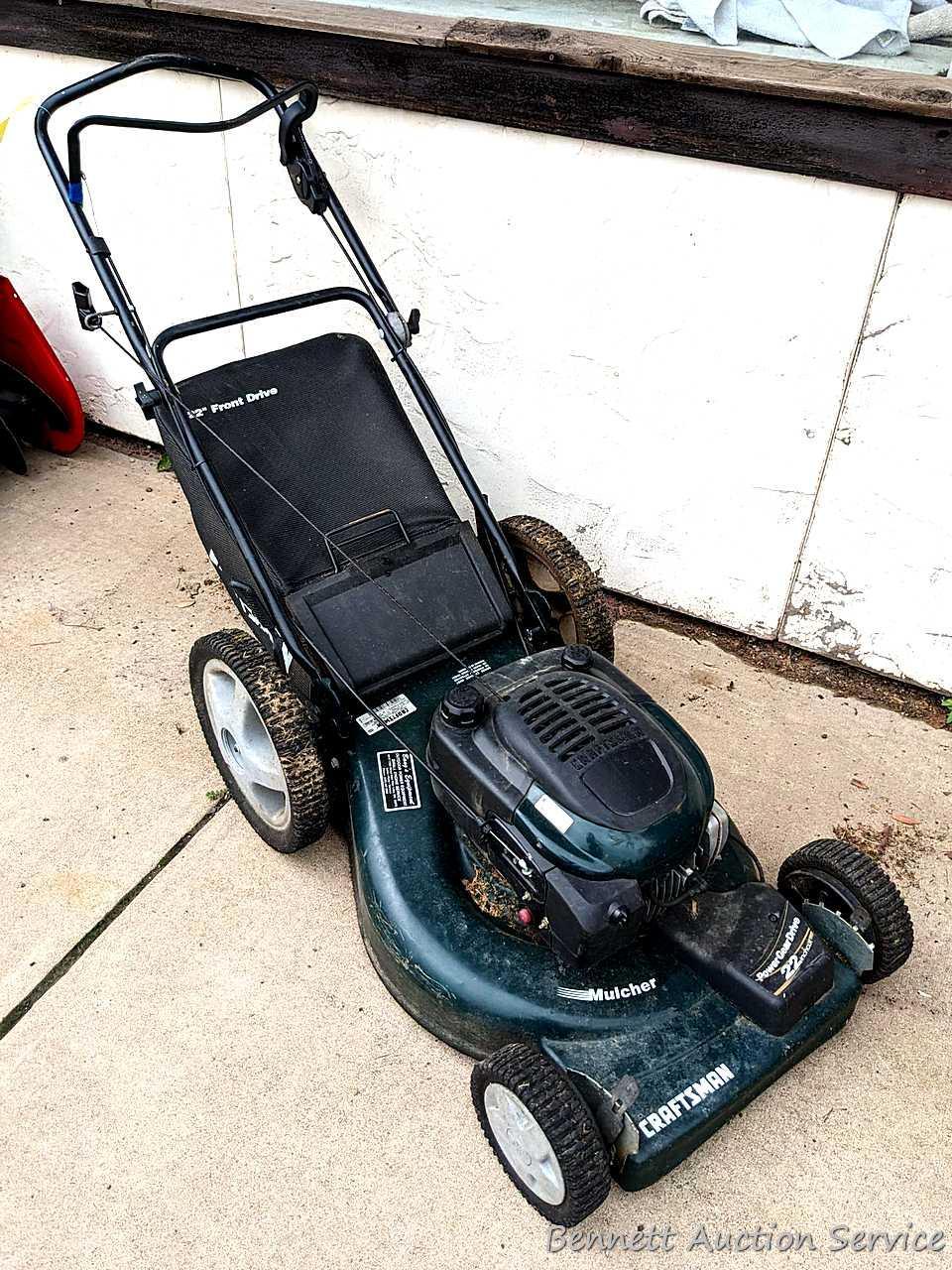
A Craftsman lawn mower self propelled not working usually points to a drive system that cannot transfer power to the wheels. The setup is simple. The engine spins a pulley. A drive belt carries that motion to a transmission or a drive pulley near the wheels. A control cable pulls a lever on the transmission to engage the drive. Gears in the wheels grab and move the mower forward.
If any link in that chain slips, binds, or breaks, the wheels will not drive. That is why most fixes focus on cable tension, belt condition, wheel gears, and the transmission lever. When the engine speed is low or the deck is clogged, the drive can also feel weak.
Quick diagnostic checklist
Use this fast list before you buy parts. It often points to the fix in minutes.
- Squeeze the self-propel handle. Watch the cable at the transmission. The lever should move its full range.
- Lift the drive wheels. Engage the handle. Try to rotate the wheels by hand. They should resist in the drive direction and freewheel backward.
- Inspect the belt under the deck. Look for cracks, glazing, fray, or oil.
- Spin the drive pulley by hand with the plug wire off. It should turn smooth and spring back if there is an idler.
- Check for heavy grass build-up under the deck and around the drive.
- Push the mower with the handle released. If it is hard to push, the wheel gears may be jammed.
If your Craftsman lawn mower self propelled not working after this quick check, move to the step-by-step section below.
Safety, tools, and prep
Safety first. You will tip and reach under the mower.
- Pull the spark plug wire and tie it back.
- Work on a flat area. Wear gloves and eye protection.
- When you tip the mower, keep the carburetor and air filter up.
Helpful tools:
- Socket set and ratchet
- Torque wrench
- Screwdrivers
- Pliers and needle-nose pliers
- Brush and plastic scraper
- Replacement belt and cable if needed
- Light oil and dry PTFE spray
These basics cover 90% of cases where a Craftsman lawn mower self propelled not working needs a home fix.
Step-by-step fixes that solve most cases
Below are the exact steps I use in the shop. Start at the top and work down. Stop when the drive works.
1) Set cable tension and travel
- Follow the self-propel cable from the handle to the transmission.
- Many Craftsman models have an adjuster at the handle. Turn the thumb wheel to remove slack. Leave a small free play at the handle, about the thickness of a nickel.
- If there is no adjuster, move the cable’s Z-bend to a tighter hole on the lever end if provided.
- Test with the wheels raised. Full lever travel should lock the drive in the forward direction.
Tip from the field: Over-tightening can cause constant drag and early wear. Aim for firm, not tight.
2) Inspect and replace a worn or slipping belt
- Remove the blade bolt and blade. Remember the order of parts.
- Check the belt. If you see cracks, shine, fray, or if it is soaked with oil, replace it.
- Route the new OEM belt exactly as the diagram shows. Use the deck label or manual. Wrong routing kills a new belt in minutes.
- Reinstall the blade. Torque to 35–45 ft-lb. Use a torque wrench so you do not strip the crank.
- Clean the pulleys. Any oil or belt dust can cause slip.
Real-world note: Belts that look fine can still slip when hot. If you hear a chirp or see dust, replace it.
3) Free a stuck idler or return spring
- Some models use an idler arm and spring to keep belt tension.
- Check that the arm swings free and snaps back. Clean rust. Lube pivot with a drop of oil. Do not over-lube the belt path.
- Replace a weak or broken spring. A weak spring mimics a worn belt.
4) Restore wheel drive gears and pawls
- Remove the drive wheels. Look at the plastic gear ring inside. Worn teeth look rounded or thin.
- Clean packed grass from gears and bushings.
- Check the metal drive pinion on the axle. Sharp and even teeth are good. Replace if rounded.
- Lightly lube bushings with dry PTFE. Do not use heavy grease. It traps grit.
5) Verify transmission engagement
- With the wheels off the ground, squeeze the handle. Watch the transmission lever. If it barely moves, replace or adjust the cable.
- Spin the input pulley by hand. The output axle should turn with firm, even feel.
- If the input turns but the axle does not drive, the transmission may be worn. Replace the transmission as a unit.
6) Clear deck build-up and check engine speed
- Thick grass under the deck adds drag and makes the self-propel feel weak.
- Scrape the deck clean. Spray the underside with a dry coating to reduce build-up.
- If the engine hunts or runs slow, fix that first. A clogged air filter or old fuel lowers RPM and hurts the drive.
7) Confirm wheel height and tire grip
- Set both drive wheels to the same height. A mismatch causes pull and slip.
- Worn, hard tires slip on wet grass. Replace if smooth.
8) Replace the self-propel cable when frayed or stretched
- If the adjuster runs out of travel or strands are broken, install a new cable.
- Match by model number and length. Route it the same way with all clips.
Follow these steps, and most cases of a Craftsman lawn mower self propelled not working will be fixed without a shop visit.

Model differences and part sourcing
Not all Craftsman mowers drive the same way. Know your type before you order parts.
- Front-wheel drive. The belt routes to the front. Loss of front traction on hills is common. Tires matter more here.
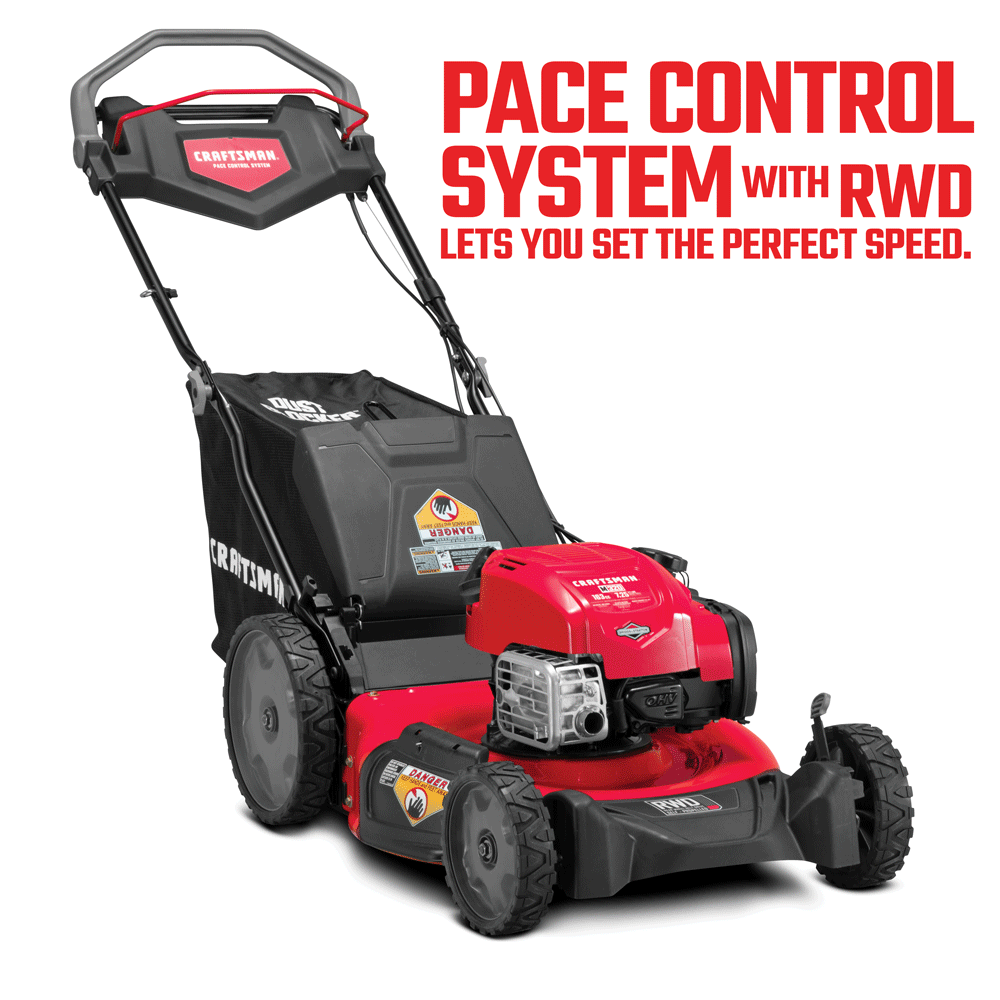
- Rear-wheel drive. Better on slopes. Uses a longer belt and often has a more robust transmission.
- Single-speed vs variable-speed. A variable unit uses a different control and pulley ratio. Order the right cable and belt.
Find your model number on the deck tag near the rear wheel or under the handle. Cross-check the belt, cable, and wheel part numbers with the manual. OEM parts last longer than budget copies in my shop logs. If your Craftsman lawn mower self propelled not working after new aftermarket parts, test again with OEM belts and wheels. Belt compound and width make a real difference.
Preventive maintenance that keeps the drive strong
A little care stops most failures and saves you a Saturday.
- Clean under the deck every 2–3 mows. Less drag, less belt slip.
- Inspect the belt every 25 hours. Replace at the first sign of glazing.
- Lube wheel bushings with a dry PTFE spray each month.
- Keep the cable jacket clean. A light silicone spray helps smooth pull.
- Store the mower dry and covered. Moisture rusts springs and pivots.
- Run the engine dry or use fresh fuel with stabilizer for storage.
Stick to this list and you likely will not face a Craftsman lawn mower self propelled not working next season.
Cost guide and when to repair or replace
Knowing typical costs helps you choose the best path.
- Drive belt. 15–35 USD. Install time 30–60 minutes.
- Self-propel cable. 15–30 USD. Install time 15–30 minutes.
- Drive wheels with gears. 20–45 USD each. Install time 10–15 minutes.
- Idler pulley or spring. 10–35 USD. Install time 15–30 minutes.
- Transmission assembly. 60–140 USD. Install time 60–120 minutes.
If labor at a shop is 80–120 USD per hour, a belt and cable job runs less than a new mower. If the deck is rusted or the engine is tired, a transmission plus labor might not be worth it. When a Craftsman lawn mower self propelled not working needs both a transmission and wheels, compare the total to a newer, higher-torque model.
Real-world tips, mistakes to avoid, and lessons learned
From years on the bench, these are the fixes that stick.
- Do not over-tighten the drive cable. It wears the belt and burns the pulley.
- Clean first, then diagnose. Packed grass has fooled many good techs, me included.
- Use an OEM belt. Cheap belts glaze fast and slip under load.
- Match the wheel height left to right. A one-notch mismatch causes drag.
- Torque the blade right. Too loose, it vibrates. Too tight, you risk damage.
I once chased a “bad transmission” on a mower that “barely moved.” The real cause was a glazed belt plus a weak idler spring. A 40-dollar fix. If your Craftsman lawn mower self propelled not working after a new belt, look hard at the spring and idler path next.
Frequently Asked Questions of craftsman lawn mower self propelled not working
Why does my mower push fine but will not pull on its own?
The drive belt is likely worn or loose, or the cable does not pull the lever far enough. Check belt condition, idler spring tension, and adjust the cable.
How tight should the self-propel cable be?
Leave a small free play at the handle, about a nickel’s thickness. The lever at the transmission must reach its stop without pre-loading the system.
Can a low engine speed cause weak self-propel?
Yes. Low RPM reduces belt tension and torque. Clean the air filter, use fresh fuel, and check the governor linkage.
Do I need to replace both drive wheels at the same time?
It is best if the internal gears are worn or cracked. Matched wear keeps tracking straight and reduces stress on the axle gears.
What if my belt keeps coming off?
The belt is likely routed wrong, the idler arm is sticking, or a pulley is bent. Verify routing with the diagram, free the idler, and replace any bent or damaged pulley.
How often should I replace the drive belt?
Inspect every 25 hours and replace at the first sign of cracks or shine. Many homeowners see 2–3 seasons, but heavy users may need yearly changes.
My mower moves on flat ground but not uphill. What now?
Check tire tread and belt slip under load. Rear-wheel drive models climb better; on front-wheel drive, weight shift can reduce front traction on hills.
Conclusion
A self-propel system is simple once you know each link in the chain. Start with the cable, confirm belt health and routing, clean the deck, and check the wheels and idler. Most cases of a Craftsman lawn mower self propelled not working are solved with a belt and a basic adjustment.
Take the checklist to the garage, fix one thing at a time, and test as you go. If you get stuck, note your model number and parts used, then ask for help with clear symptoms. Ready to keep learning? Bookmark this guide, subscribe for more repair walk-throughs, and share what fixed your mower so others can get back to a smooth cut.