

Clogged jets, stuck float needle, bad fuel, or blocked tank vent stop gas.
If your mower cranks but will not start, or it runs for a few seconds and dies, the issue often points to the fuel path. I have spent years tuning and fixing small engines, and this guide breaks down lawn mower carburetor not getting gas with clear steps, proven fixes, and simple checks you can do today.

How the fuel system works on a mower
A small engine pulls fuel from the tank to the carburetor, where air and gas mix. A float and needle control the fuel level in the bowl. Jets meter fuel into the air stream to feed the engine. When any link fails, you get a lawn mower carburetor not getting gas.
Modern fuels with ethanol can cause gum and varnish in tiny passages. Vents and filters also clog with dust or grass. Know the path from tank to carb, and you can isolate the fault fast.

Symptoms that confirm the carburetor is not getting fuel
These signs match a lawn mower carburetor not getting gas:
- Engine fires with starting fluid, but dies in seconds.
- Primer bulb does not push fuel, or never feels firm.
- Dry spark plug after many pulls, even with choke on.
- Fuel bowl is empty or very low after cranking.
- Transparent fuel filter looks empty when the line should be full.
If you see two or more of these, you can focus on fuel delivery over spark or compression.
Top causes of lawn mower carburetor not getting gas
Stale or contaminated fuel
Old gas loses volatility and leaves varnish. Water in the fuel from ethanol phase separation blocks flow and corrodes parts.
Clogged fuel cap vent
A sealed tank creates vacuum lock. The carb cannot draw fuel, which looks like a lawn mower carburetor not getting gas.
Blocked fuel filter
A paper or screen filter can plug with fines or gel. Flow drops under load and the bowl runs dry.
Kinked or collapsed fuel line
Soft lines can collapse from heat or age. You may see cracks or a flat spot that starves the carb.
Stuck float or needle valve
The float can bind, or the rubber needle tip swells. Fuel cannot enter the bowl, causing a lawn mower carburetor not getting gas.
Gummed or clogged main jet
Tiny jets clog with varnish or debris. Air flows, but fuel metering stops.
Failed anti-afterfire solenoid
Many carbs have a fuel shutoff solenoid in the bowl. A bad coil, broken wire, blown fuse, or stuck plunger blocks fuel.
Primer bulb or choke faults
A split bulb or leaky primer line prevents fuel draw. A choke plate out of adjustment can mimic a lawn mower carburetor not getting gas on cold starts.
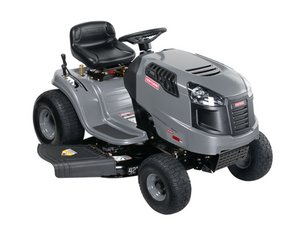
Fuel pump issues on riders
Pulse pumps crack or their diaphragms harden. They fail to lift fuel from a rear tank to the carb.
Intake gasket leaks
A large air leak makes the mix too lean. It can look like poor fuel flow when it is actually unmetered air.

Step-by-step diagnosis you can do in 15 minutes
Work in a ventilated area. Keep a fire extinguisher close.
- Check the fuel. Smell for varnish. If it is sour or dark, drain it.
- Test the gas cap vent. Loosen the cap and try to start. If it runs longer, the vent is blocked.
- Inspect the fuel filter. If it is dirty or empty when cranking, replace it.
- Squeeze or trace the fuel line. Fix kinks. Replace soft or cracked hose.
- Crack the bowl drain or remove the bowl. If no fuel flows with the line attached, the float or needle is stuck.
- Power-test the solenoid. Turn the key on and off. Feel or watch for a click. If no click, test for 12V and ground.
- Try the primer. Watch for fuel pulses in a clear line. If none, the bulb or line leaks.
- Use a small shot of carb safe cleaner into the throat. If it fires, you likely have a lawn mower carburetor not getting gas.
These simple checks narrow the fault to cap, line, filter, bowl parts, or solenoid.
Fixes that solve most fuel delivery problems
Start with the easy wins, then move deeper.
- Replace fuel and add stabilizer. Use fresh, top-tier gas. For low-use mowers, consider ethanol-free.
- Clean or replace the fuel cap if the vent is blocked. Many caps are cheap and not serviceable.
- Install a new fuel filter. Match flow direction and size.
- Replace old fuel line and clamps. Cut clean ends. Route to avoid hot spots and sharp bends.
- Free the float and needle. Tap the bowl lightly to unstick a float, then remove the bowl and clean parts.
- Clean the main jet and emulsion tube. Use carb cleaner and a soft wire bristle. Do not enlarge the jet.
- Service the solenoid. Confirm power and ground. If stuck, replace. Verify the plunger retracts fully.
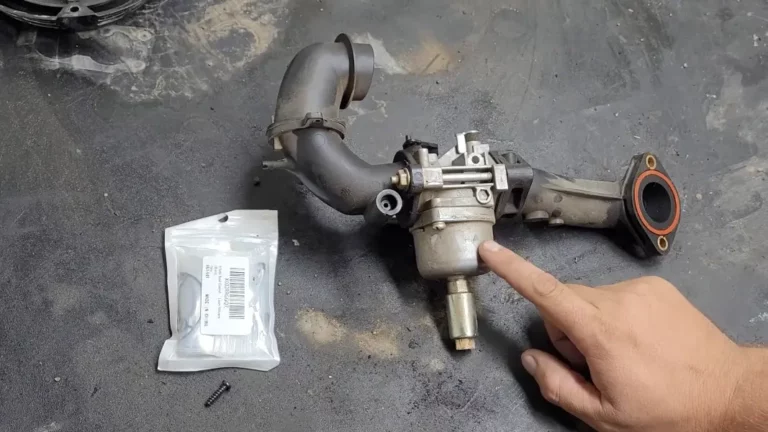
- Rebuild the carb when gaskets or the needle seat fail. A kit with gaskets, needle, and bowl seal is low cost and fixes many issues.
- For riders, test the pulse fuel pump. Replace if the diaphragm is stiff or cracked.
With these steps, most cases of a lawn mower carburetor not getting gas are fixed in under an hour.

Preventive maintenance to avoid repeat issues
Keep fuel clean and the carb happy.
- Buy small amounts of gas and use within 30 days.
- Add fuel stabilizer at every fill during mowing season.
- Use ethanol-free gas if your area offers it.
- Run the carb dry before winter. Shut the valve and let the engine stall.
- Drain the bowl during storage to prevent varnish.
- Replace the fuel filter and line every season or two.
- Blow out grass and dust around the tank, cap, and carb.
A little routine care prevents another lawn mower carburetor not getting gas next spring.

Costs, parts, and when to replace the carburetor
Many fixes are low cost and quick.
- Fuel line and filter: 10 to 20 dollars. Time: 15 to 30 minutes.
- Carb rebuild kit: 8 to 25 dollars. Time: 45 to 90 minutes.
- New carburetor: 20 to 120 dollars for most walk-behinds. Time: 30 to 60 minutes.
- Solenoid: 15 to 40 dollars. Time: 15 to 30 minutes.
- Fuel pump on riders: 15 to 45 dollars. Time: 30 to 45 minutes.
Replace the carb if the body is corroded, the throttle shaft bore is loose, or jets are damaged. That choice often solves a stubborn lawn mower carburetor not getting gas faster than a deep rebuild.
Real-world examples and lessons learned
In my shop, a Honda GCV mower came in after winter. It would start and die. The bowl was dry. The gas cap vent was plugged with dust. A new cap and fresh gas ended that lawn mower carburetor not getting gas in minutes.
A Briggs push mower surged and stalled under load. The main jet had a thin varnish ring. I cleaned the jet with carb spray and a fine nylon bristle, set the float, and the engine ran steady. That taught me to check jets before ordering parts.
On a rider, a weak pulse pump starved the carb at higher RPM. Replacing the pump restored flow. The owner had mistaken it for a lawn mower carburetor not getting gas due to the carb, but the pump was the path.

Safety and environmental notes
Gas vapors ignite fast. Work cold, outdoors, and away from sparks. Wear gloves and eye protection.
Collect and dispose of old fuel at a proper site. Do not dump it. Use only carb-safe cleaners and avoid harsh wires that can change jet size. Clear labels and photos during disassembly help you rebuild with confidence and avoid a return of a lawn mower carburetor not getting gas.
Frequently Asked Questions of lawn mower carburetor not getting gas
How can I tell if it is fuel or spark?
Spray a brief shot of carb-safe cleaner into the intake and pull. If it fires and dies, you likely have a lawn mower carburetor not getting gas. If it never fires, check for spark with a tester.
Does a clogged fuel cap really stop fuel flow?
Yes. A blocked vent seals the tank and creates vacuum. Loosen the cap and test; if it runs longer, the vent is the cause of lawn mower carburetor not getting gas.
Should I use starting fluid to diagnose?
Use carb-safe cleaner instead. Starting fluid is harsh and can wash oil off cylinder walls. A tiny shot is enough to confirm a lawn mower carburetor not getting gas.
When should I rebuild versus replace the carburetor?
Rebuild if the body is clean and parts are standard. Replace if there is corrosion, worn shafts, or repeated clogs causing a lawn mower carburetor not getting gas.
Can ethanol fuel cause this problem?
Yes, ethanol attracts water and can form gum. That leads to clogs and a lawn mower carburetor not getting gas after storage.
What tools do I need for these repairs?
Basic sockets, screwdrivers, pliers, and carb cleaner will cover most jobs. A small wire bristle and a multimeter help with jets and solenoids.
Why does my mower run only on choke?
The main jet is likely restricted. Choke enriches the mix and masks a lawn mower carburetor not getting gas through the jet.
Conclusion
A mower that runs only a moment or not at all is frustrating, but the fuel path is simple. Verify fresh fuel, a venting cap, clear filter and line, a free float and needle, and a clean jet. Those steps fix most cases of a lawn mower carburetor not getting gas without guesswork or high cost.
Take an hour this weekend to run the checklist, swap the filter, and refresh the fuel. Your mower will start easier, run cleaner, and last longer. If you found this helpful, subscribe for more small engine guides or leave a comment with your results and questions.