

Most herb gardens thrive with 6–8 hours of sun, but many handle partial shade.
If you have wondered do herb gardens need full sun, you are in the right place. I grow herbs in small patios, sunny beds, and window sills. I have tested what works in heat waves and in gloomy weeks. You will get clear rules, plant-by-plant tips, and fixes. I will show you how to read light, adjust care, and still harvest bold flavor even without a perfect spot.

What does full sun mean for herbs?
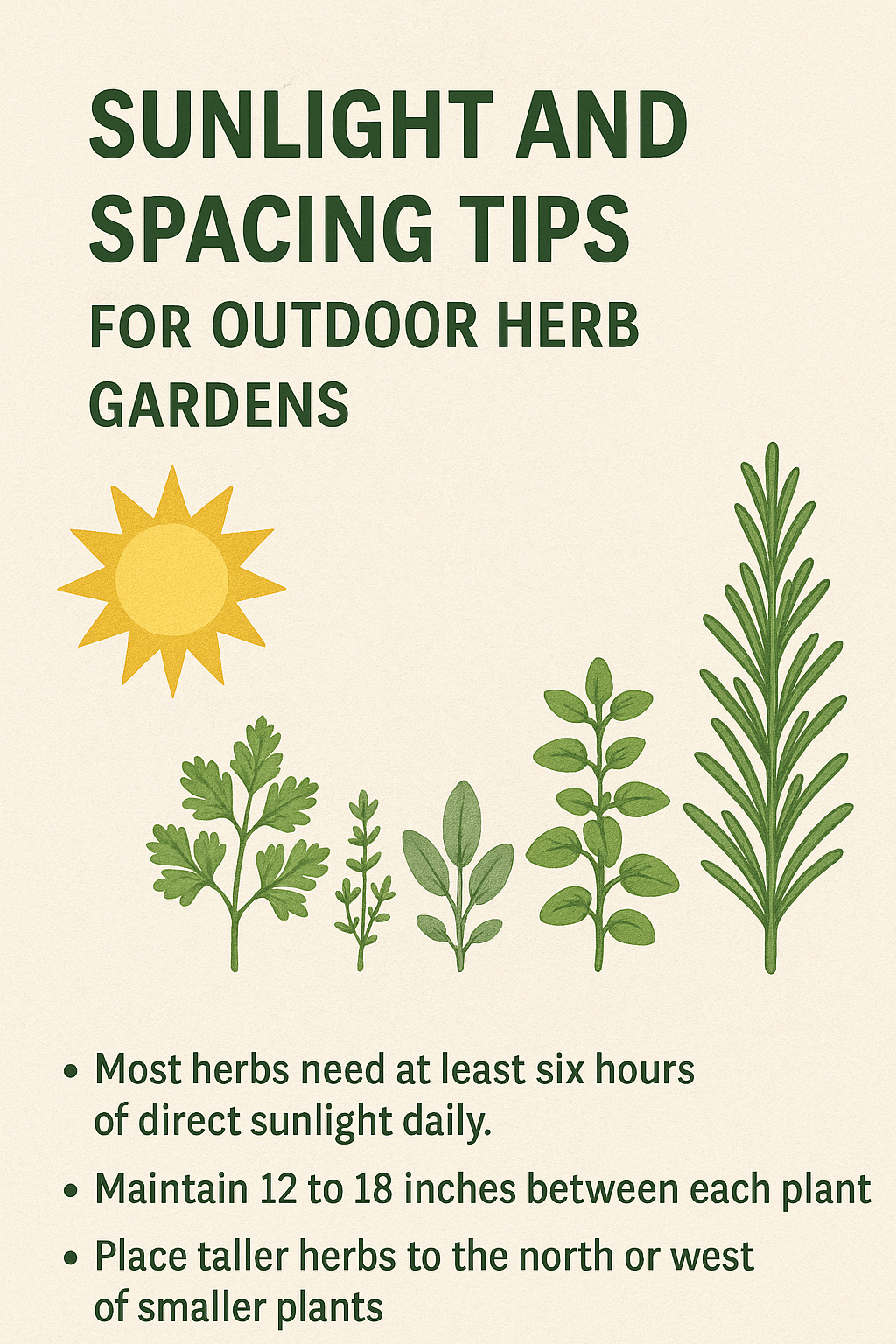
Full sun means at least 6 hours of direct light each day. Think open sky and strong midday rays. Many herbs love this. It drives oil production, which boosts scent and taste.
Partial shade means 3 to 5 hours of direct light or bright filtered light all day. Shade means less than 3 hours of direct light. Herbs can grow in partial shade, but growth slows. Flavor can soften and plants may get leggy.
The quality of light matters too. Morning sun is gentle and helps leaves dry. Midday sun is intense and fuels growth. Late day sun can stress plants in hot zones. Time your light based on your climate.
Do herb gardens need full sun?
So, do herb gardens need full sun for flavor and growth? Often yes, but not always. Many classic Mediterranean herbs need long, bright days. Some leafy herbs prefer a break from harsh heat.
Use this quick guide:
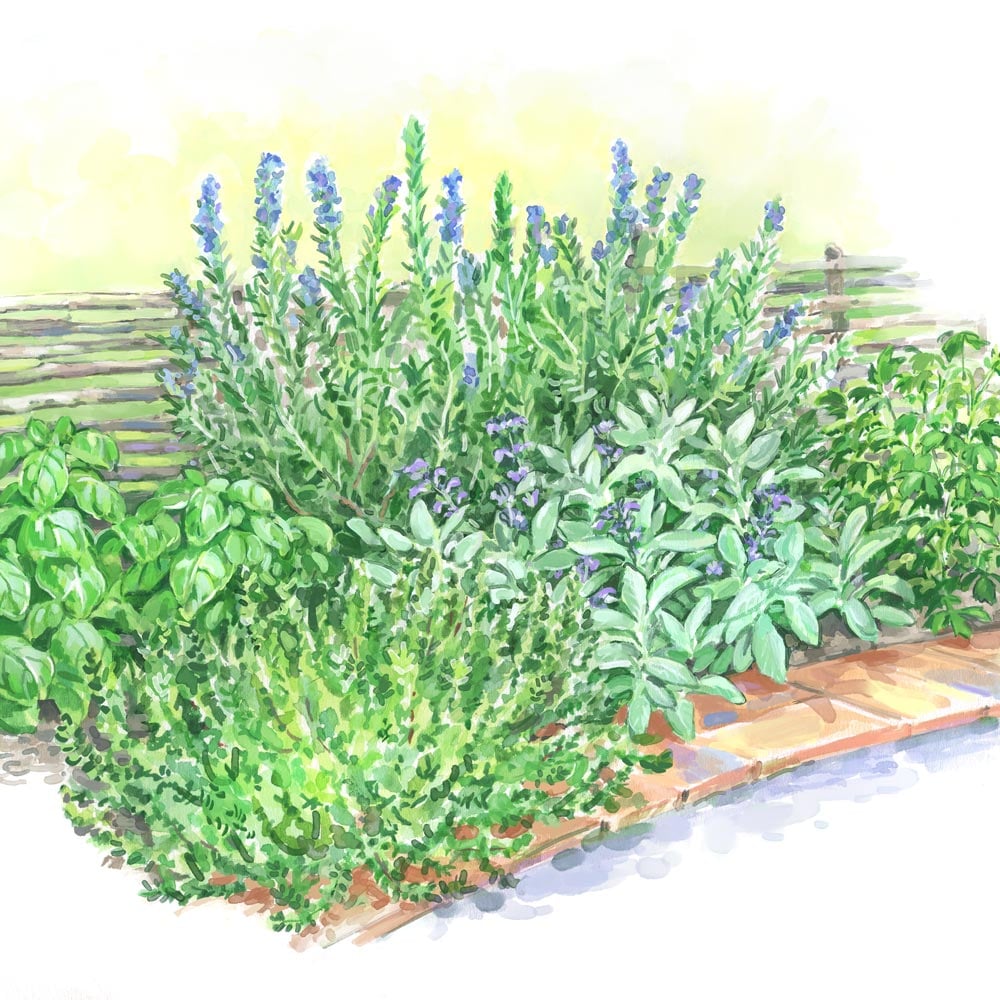
- Full sun lovers, 6–8 hours: rosemary, thyme, oregano, sage, marjoram, lavender.
- Sun with afternoon shade in hot summers: basil, dill, tarragon, chives.
- Partial shade friendly, 3–5 hours: mint, parsley, cilantro, lemon balm, chervil.
If your yard is not full sun, you can still grow a strong herb garden. Place pots where light shifts. Use reflective surfaces. Prune for airflow and light reach.
Sun requirements by popular herbs
Full sun lovers, 6–8 hours:
- Rosemary. Needs strong light for woody growth and resinous oils.
- Thyme and oregano. Short stems stay tight in bright light and taste sharper.
- Sage. Better color and thicker leaves with steady sun.
- Lavender. Needs sun and good drainage to avoid rot.
Full sun with midday or late shade in very hot zones:
- Basil. Loves sun but can scorch. Give 6 hours plus light afternoon shade over 95°F.
- Dill and fennel. Tall and sunny, but wind and heat can topple them. Stake if needed.
- Chives. Enjoy sun but keep soil moist in summer.
Partial shade tolerant, 3–5 hours:
- Mint. Vigorous even with morning sun only. Keep contained.
- Parsley. Slow but steady in partial shade. Moist, rich soil helps.
- Cilantro. Bolts in heat. Morning sun and cool soil extend harvest.
- Lemon balm and chervil. Gentle light keeps them tender.
These ranges are targets, not strict rules. Taste and growth tell you if your match is right. Adjust as you observe.

Climate, season, and microclimates
Your hardiness zone shapes your plan. In cool zones, chase every sunbeam. South-facing walls, light gravel, and white pots bounce light back to leaves. In hot, dry zones, protect herbs from late day scorch. A light shade cloth can cut harsh rays.
Seasons change the sun path. In spring, trees leaf out and steal light. In fall, lower angles help reach deep beds. Watch shadows and move pots as light shifts.
Here is what works for me:
- On a west-facing patio, I tuck basil behind taller tomatoes for dappled shade.
- I park rosemary by a south wall. The heat helps frame the woody stems.
- I roll cilantro to a spot with morning sun only once heat climbs.
People often ask, do herb gardens need full sun all day in desert heat? Not really. In extreme heat, a few hours of afternoon shade can save flavor and reduce stress.

Source: thegardeningcook.com
Indoor herb gardens and grow lights
Windows can work if they face south or west and are not shaded. Aim for 6 hours of direct light or very bright light most of the day. Rotate pots weekly to avoid lean.
Grow lights make results consistent. Use full spectrum LED bars or panels.
- Keep lights 6 to 12 inches above leaves.
- Run 12 to 16 hours per day for strong growth.
- Match light to plant needs. Basil and rosemary want the brightest spot.
A fan on low helps airflow. Use a timer to keep a steady day length. When people ask do herb gardens need full sun indoors, I say no, but they do need enough strong light. Grow lights are the easy path.
Signs your herbs get too much or too little sun
Too much sun and heat:
- Bleached or crispy leaf tips.
- Wilt at midday that does not bounce back at night.
- Strong scent but harsh, bitter notes.
Fix it:
- Add afternoon shade with a cloth or taller plant.
- Water in the morning. Mulch light and thin.
- Use light-colored pots to cut root heat.
Too little sun:
- Leggy stems and wide gaps between leaves.
- Pale color and weak flavor.
- Slow growth and frequent disease.
Fix it:
- Move to a brighter spot or raise pots.
- Prune lightly to promote bushy growth.
- Add a grow light for a daily boost.
Designing a herb garden for your light
Set the right plant in the right place.
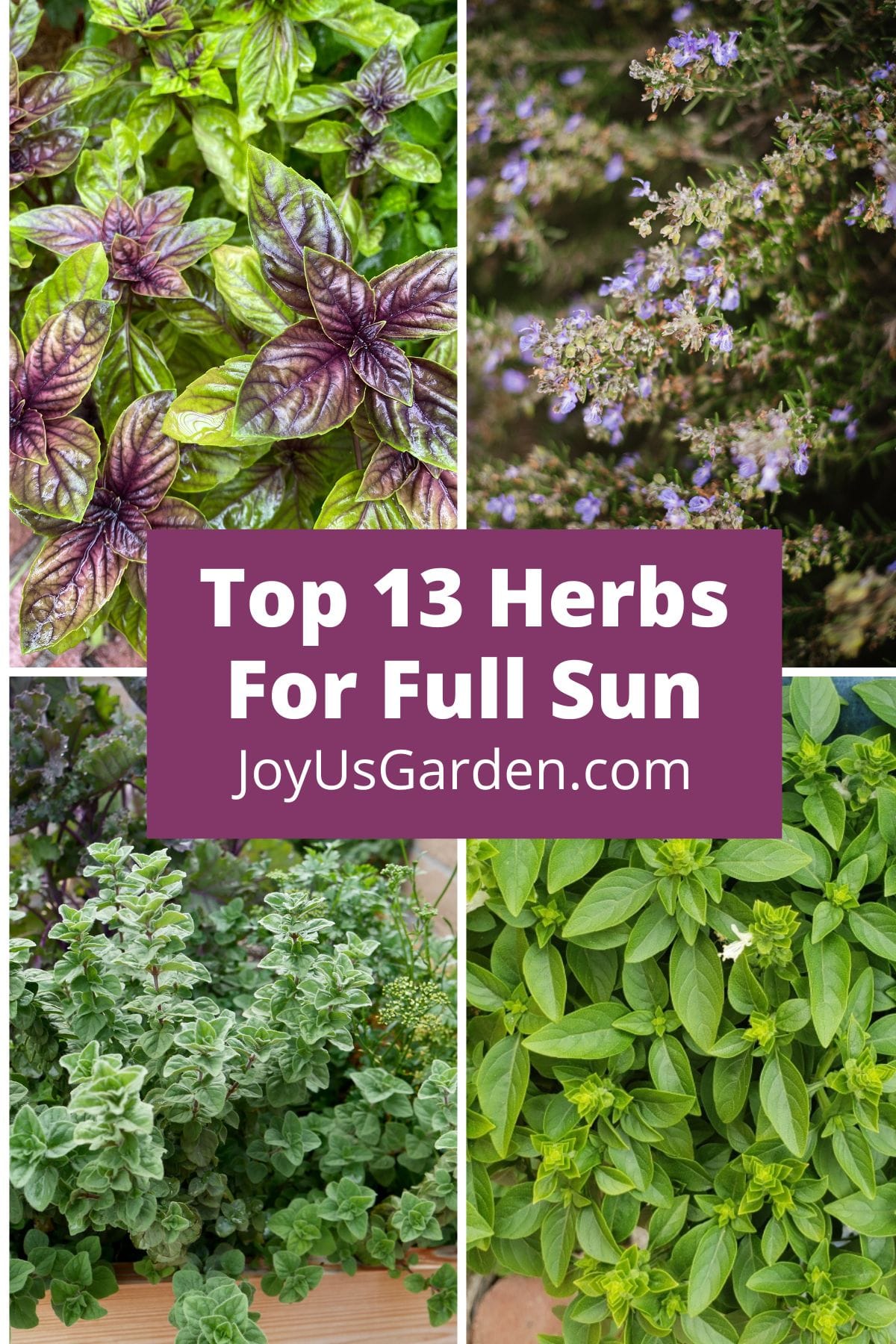
- Put full sun lovers at the bed edge that faces south.
- Tuck shade fans under taller crops for filtered light.
- Cluster pots so you can rotate them with the season.
Plan for care.
- Group plants by water needs. Sun lovers often like drier soil.
- Use well-drained mix. Add compost and a bit of sand for rosemary and thyme.
- Feed light. Too much nitrogen makes soft, bland leaves.
If you still wonder do herb gardens need full sun to taste great, design can bridge the gap. It is about matching light, soil, and water to each plant.

Water, soil, and color: how sun ties in
Sun drives evaporation. Hot light dries pots fast. Dark pots heat roots and speed dry-down. Light pots reflect heat and help mint and parsley stay happy.
Soil texture matters. Free-draining soil keeps rosemary and thyme safe in sun. Richer, more moist soil helps cilantro and parsley in partial shade.
Water early in the day. Leaves dry fast and stay healthy. Keep mulch thin for herbs. Fine gravel or straw is enough to cool roots without trapping too much moisture.

Real-world case study: balcony vs backyard
On my east-facing balcony, I asked myself, do herb gardens need full sun to thrive here? I grew basil, chives, and mint with 4 to 5 hours of morning sun. Basil needed a small LED in the evening. Chives did fine. Mint exploded.
In my backyard bed, rosemary and thyme got 8 hours near a warm wall. They stayed compact and intense. The key lesson: move the right plant to the right light. When space is tight, adjust with shade cloth or a light bar. Your harvest will match your light plan.
Frequently Asked Questions of do herb gardens need full sun
Do herb gardens need full sun to thrive?
Most herbs do best with 6 to 8 hours of sun. Some like mint and parsley do well with partial shade and steady moisture.
Do herb gardens need full sun in hot climates?
Not all day. Give 4 to 6 hours of morning or midday sun, then light afternoon shade to prevent scorch.
Do herb gardens need full sun indoors or will a window work?
A bright south or west window can work if it gets strong light for many hours. If growth is slow or leggy, add a grow light for 12 to 16 hours.
Which herbs are best for partial shade?
Mint, parsley, cilantro, lemon balm, and chervil handle 3 to 5 hours of direct sun. They grow slower but stay tender and sweet.
How do I know if my herbs need more sun?
Look for long, weak stems and pale leaves. If flavor fades and growth stalls, increase light or add a grow light.
Will morning sun be enough for basil?
Often yes in summer, if it gets 5 to 6 hours. In very hot areas, morning sun plus light afternoon shade works best.
Do herb gardens need full sun in winter?
Winter sun is weak and short. Move herbs to the brightest spot and use grow lights to keep them productive.
Conclusion
Full sun powers bold, aromatic herbs, but a smart plan makes many sites work. Match each plant to the light you have. Tune shade, soil, and water to keep stress low and flavor high.
Start small. Track hours of light for a week. Move one pot, add one shade cloth, or clip one grow light. Your harvest will tell you what works. If this guide helped, subscribe for more garden tips or leave a comment with your light setup.