

Use balanced composting fertilizing techniques to feed your soil for lasting fertility.
I have spent years working with gardens, farms, and community plots to master effective composting fertilizing techniques to feed your soil. In this guide I explain clear, proven methods to build soil health, boost plant growth, and reduce waste. You will find practical steps, mistakes to avoid, and real-world tips that I use in my own gardens to make compost work as a reliable fertilizer. Read on to learn how to turn kitchen scraps and yard trimmings into a steady supply of nutrients that feed your soil and your plants.
Why effective composting fertilizing techniques to feed your soil matter
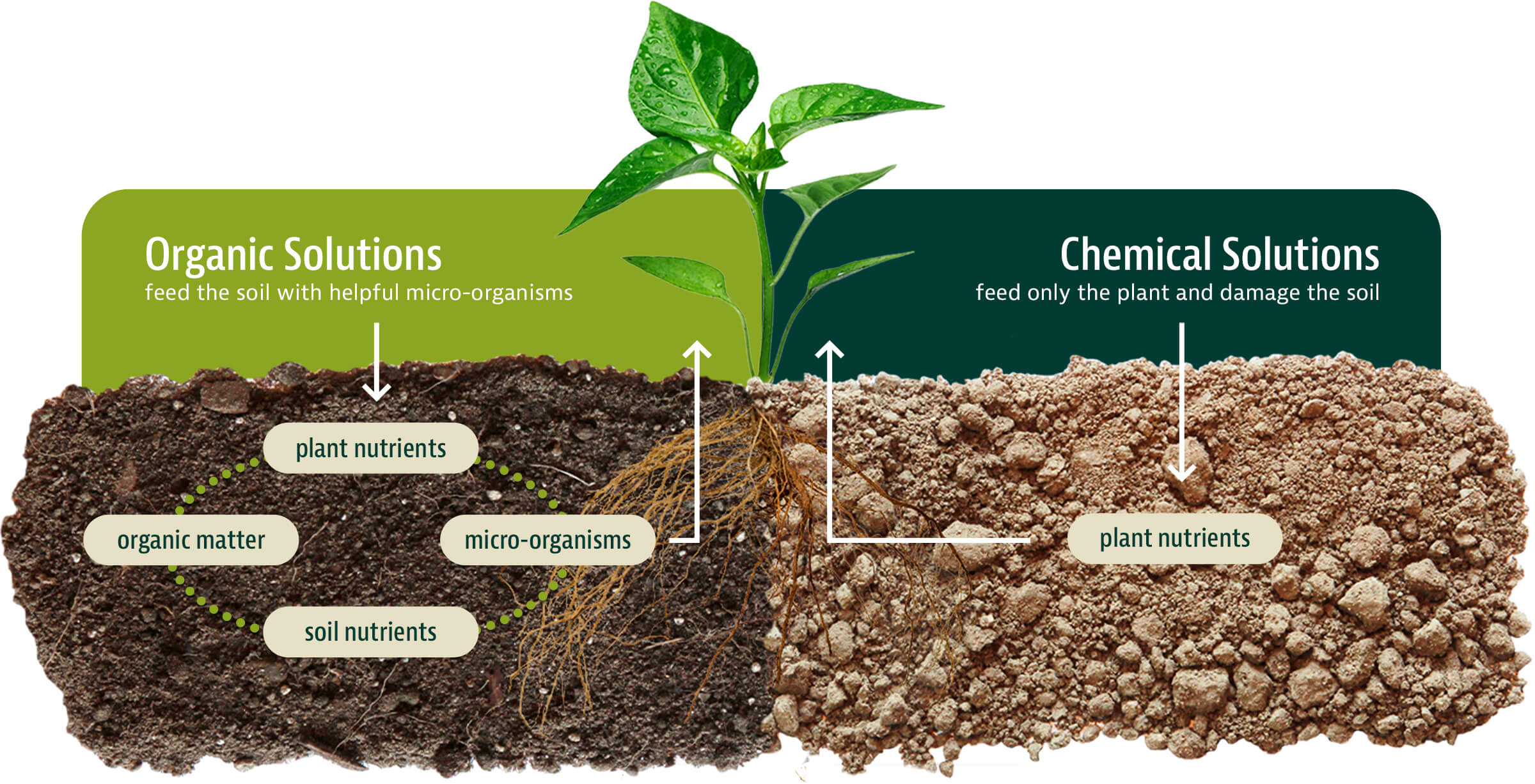
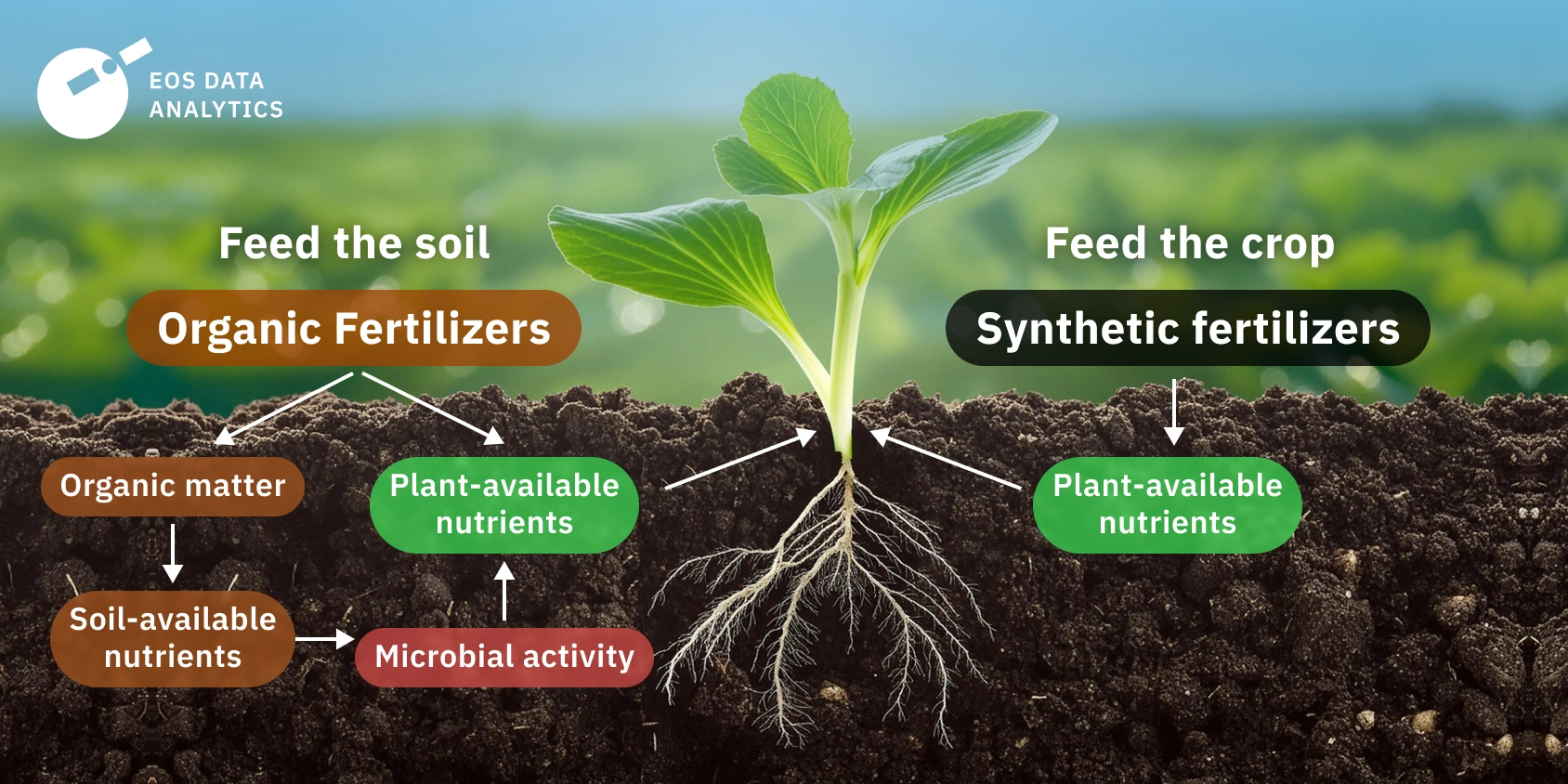
Healthy soil is the foundation of healthy plants. Using effective composting fertilizing techniques to feed your soil improves structure, water holding, and nutrient cycling. Compost adds slow-release nutrients and feeds the microbes that make nutrients available to roots.
Farmers and gardeners who use compost need less synthetic fertilizer over time. Research and practice show that regular compost improves yield, resilience, and soil carbon. I have seen vegetable beds bounce back faster after drought when they had a steady layer of compost worked in.

Core principles of effective composting fertilizing techniques to feed your soil
Follow these simple principles. They guide every composting method and help compost feed your soil well.
- Aim for balance between carbon-rich and nitrogen-rich materials to keep decomposition active.
- Keep good aeration and moisture so microbes can work.
- Reach safe temperatures in hot compost to kill pathogens and seeds when needed.
- Cure compost so it becomes stable and won’t rob nitrogen from plants once mixed into soil.
If you keep these points in mind, your compost will produce rich humus. That humus is what makes effective composting fertilizing techniques to feed your soil really valuable.
Practical composting methods to feed soil
Here are hands-on methods that I use and recommend. Each method supports effective composting fertilizing techniques to feed your soil in different settings.
Hot composting
- Mix a blend of greens and browns in layers.
- Turn the pile every few days to keep air in.
- Maintain moisture like a wrung-out sponge.
Hot compost reaches 130–160°F and breaks down fast. It is great when you want quick finished compost for beds.
Cold composting
- Add scraps to a bin or pile and let them break down slowly.
- Turn occasionally to speed the process.
Cold compost takes months to years but needs less effort. It still supports effective composting fertilizing techniques to feed your soil for long-term soil health.
Vermicompost
- Use worms in a bin to convert food waste.
- Harvest worm castings every few months.
Vermicompost is rich in plant-available nutrients and beneficial microbes. It is ideal for container gardens and seedlings.
Bokashi
- Ferment kitchen waste in an airtight container using bran or starter.
- Bury fermented waste or compost it for a short time.
Bokashi handles meat and dairy. It fits small spaces and supports effective composting fertilizing techniques to feed your soil when followed by a short compost phase.
Compost tea
- Steep mature compost in water with aeration for 24–48 hours.
- Apply as a soil drench or foliar spray.
Compost tea transfers microbes quickly to the root zone and leaf surfaces. Use only well-cured compost to avoid introducing pathogens.

How to apply compost as a fertilizer
Applying compost correctly makes all the difference. Here are practical ways that I use.
- Top-dress: Spread 1–3 inches of compost over the soil surface and let it work in with rain and worms.
- Side-dress: Place compost along plant rows to feed roots directly.
- Soil mix: Blend 10–30% compost into potting mixes for seeds and containers.
- Compost tea: Apply during the growing season to boost microbial life.
Apply compost in fall for perennials and in spring for annuals. Avoid heavy doses of fresh compost near young seedlings, as very fresh material can still compete for nitrogen.
Monitoring soil health and timing
Good composting and fertilizing require checks and timing. Simple tests help you know when and how to feed soil.
- Use a soil test every 1–3 years to check pH and nutrient levels.
- Watch plant signs: pale leaves often mean low nitrogen; poor bloom can mean low phosphorus.
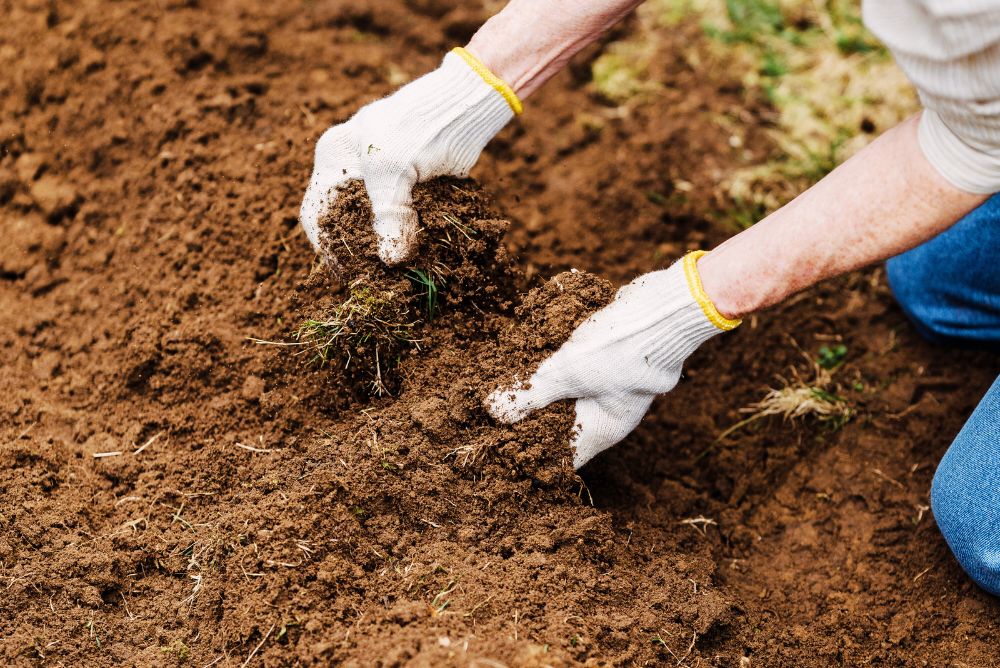
- Check compost maturity: finished compost is dark, crumbly, and smells earthy.
Timing matters. Feed soil with compost in fall to build reserves, or in spring to support new growth.
PAA-style Questions
How long does compost need to mature before use?
Compost usually takes 3–12 months to mature. Hot piles can finish in 2–3 months; cold piles may take a year or more.
Will compost change soil pH?
Compost tends to buffer soil pH toward neutral. It rarely causes large pH swings when used in normal amounts.
How much compost should I add to my garden?
Aim for 1–3 inches of compost as a top-dressing each year or mix 10–30% compost into planting beds when prepping soil.

Common mistakes and troubleshooting
Avoid these common errors to keep compost working to feed your soil.
- Adding only greens: This makes a slimy, smelly pile. Mix in browns like leaves and paper.
- Letting the pile dry out: Microbes need moisture. Turn and wet the pile if dry.
- Using immature compost: Fresh, undecomposed waste can harm plants by tying up nitrogen.
- Ignoring aeration: Compost without air becomes anaerobic and smelly.
I once left a large pile too wet and it stank for months. I learned to balance materials and poke air holes early. That simple fix kept the compost active and useful.
Benefits and limitations
Compost offers many benefits. It also has limits to keep in mind.
Benefits
- Slow-release nutrients across seasons.
- Better soil structure and water retention.
- Enhanced microbial life and reduced erosion.
- Lower reliance on chemical fertilizers.
Limitations
- Nutrient levels are lower and less predictable than synthetic fertilizers.
- Bulk and labor may be a challenge for large acreages.
- Poorly made compost can introduce weeds or pathogens.
Use compost as a core part of a soil fertility plan. Combine it with targeted amendments when analysis shows specific deficiencies.

Personal insights and real-life tips
From years of hands-on work I share these tips to make effective composting fertilizing techniques to feed your soil easier and more reliable.
- Start small. A single bin taught me the rhythm before expanding to multiple piles.
- Keep a kitchen pail with a tight lid to cut odors and make transfer easier.
- Save fall leaves; they are free, carbon-rich feedstock that sizes down well with a chipper.
- Use a simple thermometer to track hot piles. It removes guessing.
- Rotate where you apply compost in beds to avoid compaction and top-dress yearly.
These habits changed my garden. Plants grew fuller. Water use dropped. Compost became the base of a low-input system.
Integrating compost with other fertilizing techniques
Compost works best with other practices. Use it with cover crops, mulches, and targeted mineral amendments.
- Plant cover crops to fix nitrogen and add biomass for future compost.
- Mulch with compost or leaves to keep soil cool and moist.
- Add rock minerals if soil tests show specific micronutrient shortages.
- Use crop rotation to avoid nutrient depletion in the same spot.
This integrated approach amplifies the power of effective composting fertilizing techniques to feed your soil for many years.
Frequently Asked Questions of effective composting fertilizing techniques to feed your soil
What materials should I avoid in compost?
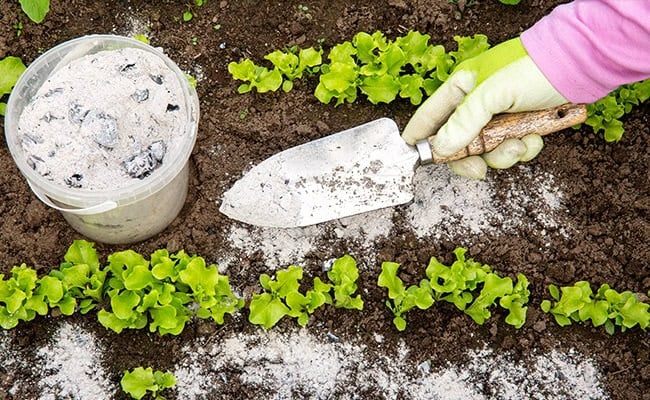
Avoid glossy paper, coal ash, diseased plants, and pet waste unless you use high-heat composting. These can introduce toxins or pathogens.
How often should I turn my compost pile?
Turn hot piles every few days to a week. Turn cold piles less often, every few months, to mix and add air.
Is compost safe for edible gardens?
Yes, well-cured compost is safe for edible gardens. Use high-heat compost for animal manures to kill pathogens before applying.
Can I compost citrus and onions?
You can compost citrus and onions. Chop them small and balance with browns to avoid slower breakdown and local acidity in the pile.
Will compost alone meet all plant needs?
Compost improves many soil functions but may not meet all nutrient needs, especially for high-demand crops. Use soil tests and add specific nutrients as needed.
Conclusion
Effective composting fertilizing techniques to feed your soil give lasting gains in soil health, plant vigor, and sustainability. Use balanced feedstock, suitable methods, and proper timing to turn waste into a steady fertilizer. Start small, test your soil, and keep composting a routine practice to see steady results. Try one method this season, track what works, and share your results or questions below to grow your compost skills.