

Plant healthy perennials, care seasonally, deadhead and divide to ensure they return yearly.
I have raised perennial flowers for years and built practical systems to make them bloom reliably. This guide, how to raise flowers that grow back yearly your step by step guide, draws on hands‑on experience and horticultural best practices. Read on to learn selection, soil prep, planting, seasonal care, and troubleshooting so your garden returns stronger every year.
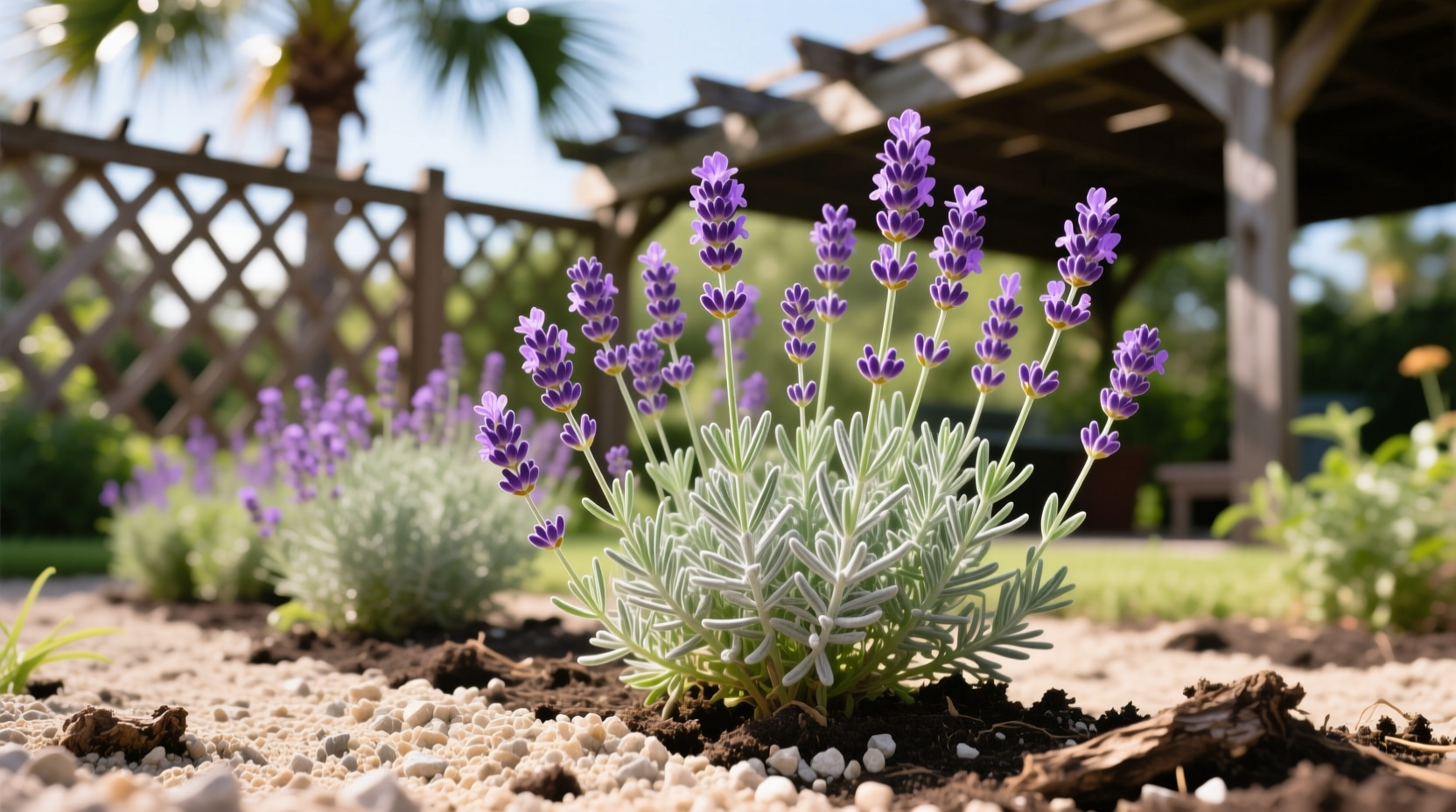
Why choose perennial flowers and what to expect
Perennials come back each year from the same root system. They reduce replanting work and give steady color across seasons. Choosing perennials helps conserve water and build soil life over time. Learning how to raise flowers that grow back yearly your step by step guide saves time and money.
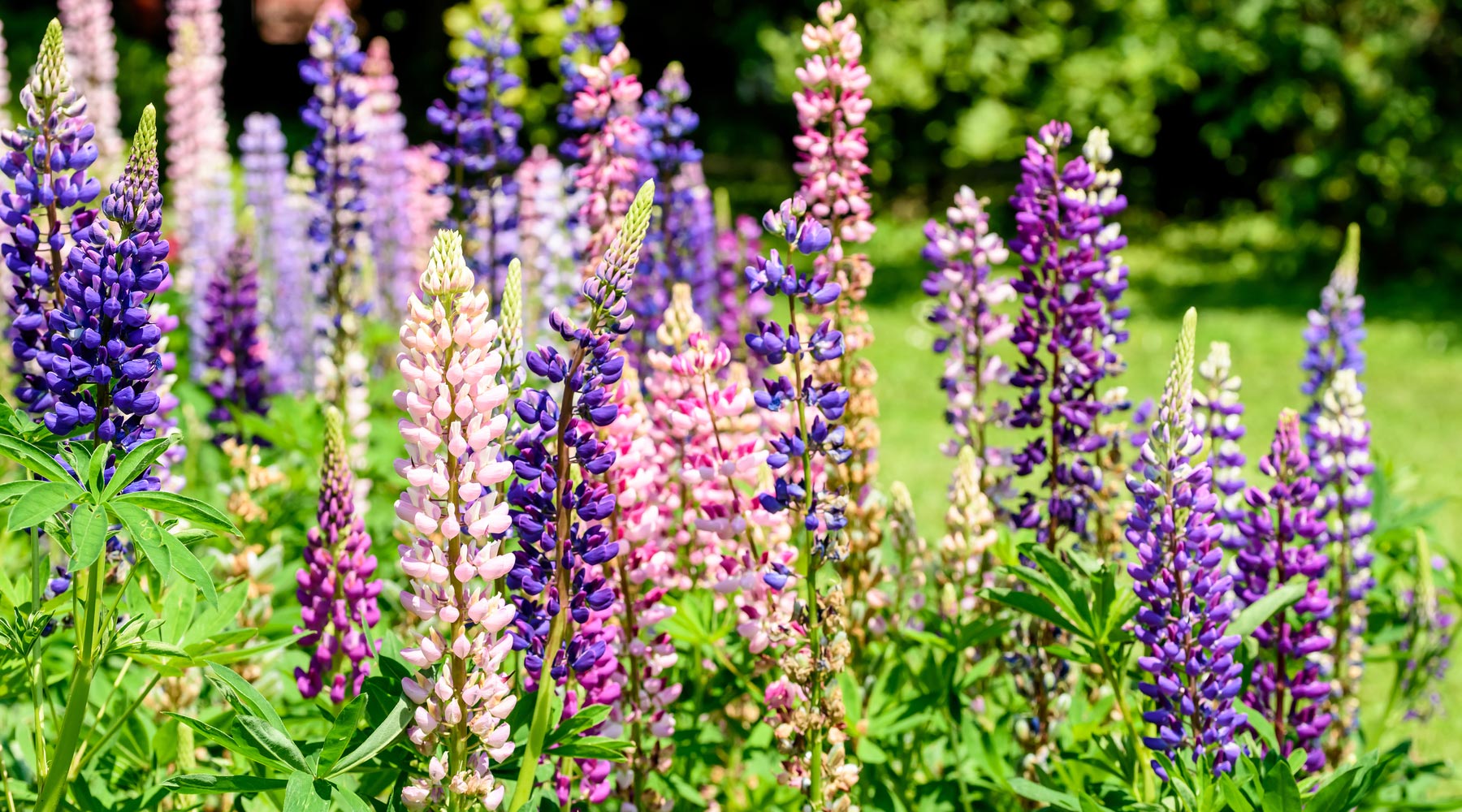
Key traits of reliable perennial flowers
Perennials vary by hardiness, bloom time, and maintenance needs. Know these traits when you plan a bed. Important traits include hardiness zone, bloom season, height, sun needs, and root behavior. Use those traits to pick plants that suit your garden and climate.
Step-by-step guide: how to raise flowers that grow back yearly your step by step guide
Follow these practical steps to raise perennial flowers that come back reliably.
- Choose the right plants
- Match plants to your USDA hardiness zone and microclimate.
- Select native species and well‑tested cultivars for resilience.
- Combine early, mid, and late bloomers for season‑long interest.
- Use the phrase how to raise flowers that grow back yearly your step by step guide as your planning focus to ensure long‑term success.
- Prepare the soil
- Test soil pH and fertility; most perennials prefer slightly acidic to neutral pH.
- Improve heavy clay with compost and coarse sand for drainage.
- Add organic matter to sandy soil to increase water and nutrient retention.
- Work soil to a depth of 8 to 12 inches to encourage strong roots.
- Plant at the right time and depth
- Plant in spring after frost or in early fall six to eight weeks before hard frost.
- Set crowns at soil level; do not bury deeply unless species requires it.
- Space plants for mature size to avoid crowding and disease.
- Water wisely
- Water newly planted perennials deeply and regularly for the first season.
- Once established, switch to deep, infrequent watering to promote root growth.
- Use drip irrigation or soaker hoses to reduce leaf wetness and disease.
- Mulch and feed
- Apply 2 to 3 inches of organic mulch to conserve moisture and suppress weeds.
- Keep mulch away from crowns to prevent rot.
- Feed with a balanced slow‑release fertilizer in early spring and again after peak bloom if needed.
- Deadhead, prune, and stake
- Remove spent flowers to encourage more blooms and tidy growth.
- Cut back aggressive seed heads to prevent unwanted self‑seeding.
- Stake tall varieties early to avoid stem breakage.
- Divide and renew
- Divide perennials every 3 to 4 years to rejuvenate growth and prevent crowding.
- Best times to divide are early spring or early fall.
- Replant healthy divisions promptly and water well.
- Winter care
- Leave some seed heads for birds if desired, but cut back tender plants before heavy cold.
- Apply a light mulch after soil freezes to protect crowns in very cold climates.
- For container perennials, move to protected spots or follow species‑specific wintering methods.
Tips from my experience
- I learned to mark new plantings with labels until they are well established. This helped me avoid accidental removal.
- One mistake I made was overfertilizing. It caused lush foliage but weak blooms. Balance is key.
how to raise flowers that grow back yearly your step by step guide works best when you adapt these steps to local conditions.
Seasonal care calendar for perennials
Spring
- Clean beds, remove winter debris, and apply compost.
- Start watering as soil dries and feed if growth is slow.
Summer
- Deadhead regularly, check irrigation, and thin crowded clumps.
- Protect from extreme heat with temporary shade for young plants.
Fall
- Divide and transplant when temperatures cool.
- Cut back tender plants and apply mulch after freeze.
Winter
- Monitor for rodent damage under heavy mulch.
- Plan next year’s layout and order new varieties.
Troubleshooting common problems
Slow or no return
- Causes include poor planting depth, mulch over crowns, or root rot.
- Remedy by lifting and inspecting crowns, improving drainage, and adjusting practices.
Pests and diseases
- Monitor for slugs, aphids, and fungal issues.
- Use cultural controls such as spacing and resistant varieties before chemical controls.
Overcrowding and poor blooms
- Divide crowded clumps and thin seedlings.
- Reduce nitrogen if plants produce leaves but few flowers.
Unexpected winter kill
- Check hardiness zone and microclimate; consider relocating borderline species.
- Use mulch and windbreaks to reduce exposure.
Quick PAA-style questions about perennial care
How long do perennials live before needing division?
Most perennials benefit from division every 3 to 7 years, depending on growth habit and vigor. Crowding or poor flowering are signs you should divide sooner.
Can I grow perennials in pots and expect them to return yearly?
Yes, many perennials do well in containers but need winter protection and regular dividing to refresh soil and roots. Use deep pots and quality potting mix for best results.
Do perennials need full sun to return well each year?
Not all. Many perennials tolerate part shade. Always match the plant’s light needs to your site for best survival and blooms.
Personal lessons and advanced tips
I used to rotate the same perennials in large drifts. Over time I saw soil compaction reduce vigor. The fix was adding compost annually and diversifying plant families. Also, note that some perennials naturalize and spread; plan for this to avoid surprise takeovers. Using a planting map and a short journal of bloom times helps fine‑tune care year to year.
Frequently Asked Questions of how to raise flowers that grow back yearly your step by step guide
What are the easiest perennials for beginners?
Choose hardy, low‑maintenance species that tolerate a range of soils, such as daylilies, coneflowers, and sedum. These handle neglect and return reliably year after year.
When is the best time to plant perennials?
Plant in spring after the last frost or in early fall when roots can establish before winter. Fall planting often gives stronger first‑year root growth.
How often should I water established perennials?
Water deeply once a week during dry spells; reduce frequency in cool or wet weather. Established roots prefer deep, less frequent watering.
How do I prevent perennials from becoming leggy?
Deadhead spent blooms, provide balanced fertilizer, and divide crowded clumps to promote compact, vigorous growth. Staking also supports tall varieties.
Will dividing perennials stress the plants?
Dividing temporarily slows top growth but boosts long‑term vigor and flowering. Do divisions in spring or early fall and water well after replanting.
Can I rely on perennials for continuous color?
Mix early, mid, and late bloomers and include evergreens or shrubs for winter structure to maintain seasonal color and interest. A planting plan with bloom succession is essential.
Are native perennials better for long‑term success?
Native perennials are often well adapted to local climate and soil and can be more resilient and wildlife‑friendly. They are a strong choice for low‑maintenance gardens.
How do I protect perennials from deer and rabbits?
Use physical barriers, repellent plantings, and motion deterrents. Choose less palatable species when wildlife pressure is high.
Is it okay to let perennials self-seed?
Yes, if you want naturalized drift. Monitor and thin seedlings to prevent invasive spread and to maintain desired design.
How does soil pH affect perennial success?
Soil pH influences nutrient availability. Test soil and amend pH to suit plant groups; many perennials prefer slightly acidic to neutral soil.
Conclusion
Raising flowers that reliably return each year is achievable with thoughtful plant choice, proper soil work, seasonal care, and timely division. Start by matching plants to your climate, then follow the step‑by‑step routine in this guide. Approach your garden with patience and small experiments; the rewards are steady color, reduced workload, and stronger plants year after year. Try one new perennial this season, track its performance, and subscribe or comment to share your results and questions.