

A smart garden plan aligns space, soil, plants, and timing for success.
You want a garden that feeds your table, calms your mind, and looks good year-round. I’ve designed urban plots and large backyard beds, and the best results always start with a clear map and a simple system. In this guide, I’ll walk you through garden planning 101 creating a blueprint for success, with steps you can act on today and small wins you can see next season.

Map Your Space and Microclimate
Start with what you have, not what you wish you had. Walk your yard at 8 a.m., noon, and 4 p.m. for two or three days. Note sun, shade, wind, and damp spots. Watch where water pools after rain. Find paths you already use, and notice views you love or want to hide.
Key checks to make:
- Sunlight hours Count how many hours of direct light each spot gets. Six or more hours fits most vegetables.
- Wind and frost Windbreaks help reduce stress. Low spots can trap cold air and cause frost.
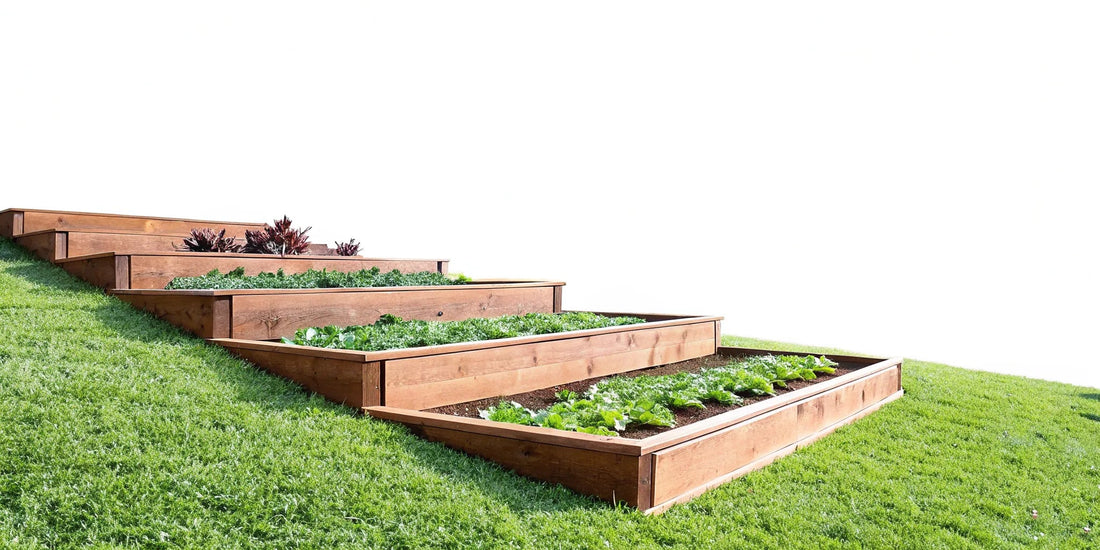
- Slope and drainage A slight slope is fine. Poor drainage needs raised beds or amended soil.
- Access and utilities You need easy access to water, tools, and compost.
Tools that help:
- A simple compass or a phone app to track sun.
- Flags or chalk to mark bed edges.
- A notebook or a free map app to sketch zones.
Personal tip I learned the hard way. On my first small city plot, a south-facing brick wall baked plants. I used that heat. I grew tomatoes and peppers there and saved the cooler area for greens. This kind of match-up is core to garden planning 101 creating a blueprint for success.
Set Clear Goals and Budget
Before you buy seeds, list what you want from the space. Fresh salads. A summer of tomatoes. Flowers for the table. Bees and birds. Your goals guide every choice in garden planning 101 creating a blueprint for success.
Turn ideas into simple targets:
- Outcome Grow salad greens for nine months. Harvest two bowls a week.
- Space Two 3-by-8 foot beds plus three planters.
- Time 2 hours each week.
- Budget 200 dollars for materials this season.
Match garden style to your goals:
- Kitchen garden Close to the door, small beds, fast crops.
- Pollinator patch Native flowers, bloom from spring to fall.
- Family garden Mix of easy wins, like beans, herbs, and strawberries.
Why this matters. Clear goals stop impulse buys, reduce waste, and keep care tasks small. They also guide plant choices and timing in garden planning 101 creating a blueprint for success.

Build Soil Health First
Healthy soil is your main engine. It stores water, releases nutrients, and supports roots. Good soil makes a tough season easier.
Step-by-step soil check:
- Texture Do the squeeze test. Sandy soil falls apart. Clay holds tight. Loam holds shape, then crumbles.
- Drainage Dig a 12-inch hole. Fill with water. Refill after it drains. If water sits longer than 4 hours, improve drainage.
- pH and nutrients Use a test kit or a lab test once a year. Most vegetables prefer pH 6.0 to 7.0.
Improve the base:
- Add compost 1 to 2 inches on top each season. Do not overmix.
- Mulch Use straw, leaves, or wood chips on paths. Keep mulch off warm-season seed beds until soil warms.
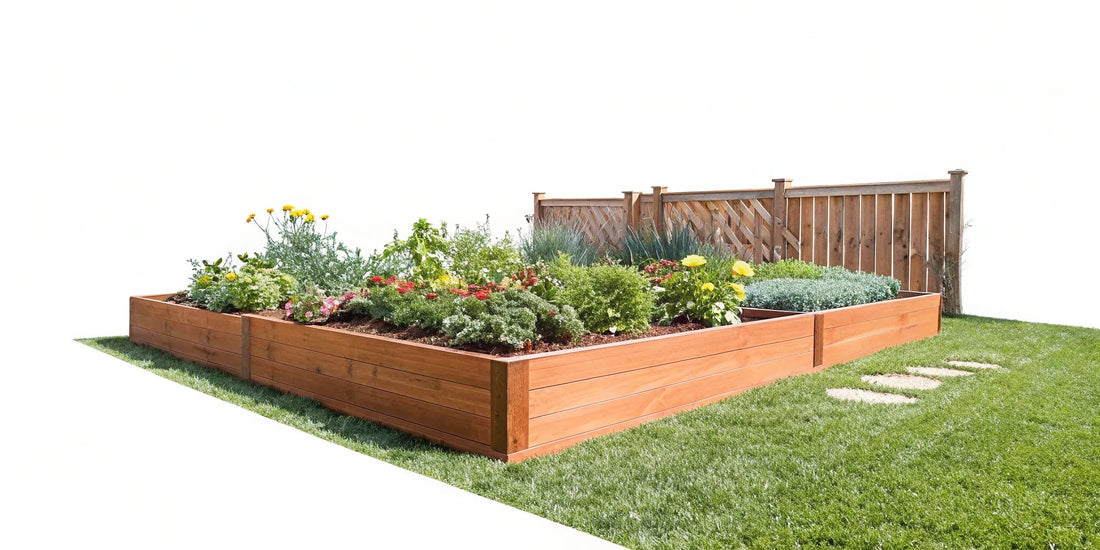
- Raised beds Raise 8 to 12 inches if soil is heavy or compacted.
Balanced soil grows stronger plants and saves water. This is a cornerstone in garden planning 101 creating a blueprint for success.
Design Your Layout
A smart layout saves time and your back. Draw simple rectangles for beds and lines for paths. Keep it clear and easy to reach.
Layout tips that work:
- Bed width Keep beds 3 to 4 feet wide so you can reach the center without stepping in.
- Path width Keep paths at least 18 to 24 inches. Wider if you use a cart.
- Zones Put daily harvest plants near the door. Put low-care crops farther out.
- Vertical space Add trellises for peas, beans, cucumbers, and small melons.
- Rotation Plan to move crop families each year to cut disease pressure.
Example starter map:
- Two 3-by-8 foot beds for greens and roots.
- One 3-by-8 foot bed with trellis for tomatoes and cucumbers.
- One herb strip along the path for basil, thyme, and chives.
Good layout choices pay you back every week. They are central to garden planning 101 creating a blueprint for success.
Choose Plants Wisely
Right plant, right place, right time. That is the rule. Match plants to sun, season, and space.
How to pick:
- Climate and days to maturity Match your frost dates and growing zone. Choose early types for short seasons.
- Disease resistance Look for codes like VFN on tomatoes for added resilience.
- Yield and size Read spacing on seed packets. A compact variety can double your harvest in small beds.
- Native and pollinator-friendly Mix in native flowers to support bees and reduce pest swings.
Smart pairing:
- Basil near tomatoes Helps with harvest flow and kitchen use.
- Marigolds and nasturtiums Add color and can distract some pests.
- Carrots and radishes Sow together. Radishes break the crust and harvest first.
Be cautious with bold claims about companion planting. Some pairs help, but none are magic. Track what works in your yard. Careful plant choice is core to garden planning 101 creating a blueprint for success.
Plan the Calendar: Succession and Season Extension
Great gardens are timed, not rushed. Use your frost dates as anchors. Then layer successions.
Simple calendar flow:
- Early spring Spinach, radish, peas, and lettuce under row cover.
- Late spring Tomatoes, peppers, cucumbers after last frost.
- Summer Successions of beans and lettuce every 2 to 3 weeks.
- Fall Broccoli, kale, carrots, and beets for cool nights.
Season extension:
- Row cover Light fabric adds a few degrees of frost protection.
- Low tunnels Wire hoops plus cover stretch the season in spring and fall.
- Mulch and windbreaks Keep soil warmer and reduce stress.
I keep a one-page month-by-month list on my shed door. It keeps me on track in about 10 minutes a week. Tight timing is a big part of garden planning 101 creating a blueprint for success.

Water, Mulch, and Irrigation Plan
Water is life, and a plan saves every drop. Aim for deep, even watering.
Best practices:
- Drip or soaker lines Water the soil, not the leaves. Less disease, less waste.
- Mulch Maintain 2 to 3 inches around plants once soil warms. Hold moisture and block weeds.
- Morning watering Reduces evaporation and keeps leaves dry.
- Rain capture Use barrels or totes if local codes allow.
Rule of thumb Most vegetables want about 1 inch of water per week, from rain or irrigation. Check soil with your finger. If it is dry 1 to 2 inches down, water. A clear water plan supports garden planning 101 creating a blueprint for success.
Tools, Storage, and Workflow
The right tools make work smooth. Keep them sharp and close.
Starter kit:
- Hand trowel, pruners, and a sturdy hoe These handle most weekly tasks.
- Garden fork and rake For bed prep and cleanup.
- Watering wand and shut-off valve For control at the hose.
Storage and flow:
- Hang tools near the door to cut steps.
- Keep a bucket with gloves, ties, and a marker ready to grab.
- Place compost and mulch close to paths to reduce hauling.
I lay my tools out in the order I use them. It sounds simple, but it saves time and strain. Small systems add up in garden planning 101 creating a blueprint for success.
Maintenance and Monitoring
A five-minute check beats a two-hour rescue. Walk the garden twice a week.
- Look under leaves for pests and eggs.
- Spot disease early. Remove a few damaged leaves fast.
- Pull tiny weeds. They take seconds now, hours later.
- Harvest on time. Many crops give more when picked often.
Record keeping:
- Note plant dates, varieties, and yields.
- Note what failed and why. Heat, shade, pests, timing.
Use thresholds. A few aphids are fine. A heavy cluster needs action like a strong water spray or insecticidal soap. Simple routines build steady results in garden planning 101 creating a blueprint for success.
Common Mistakes and How to Fix Them
Avoid the traps that trip many new gardeners.
Frequent slips:
- Planting too much Start small. Fill gaps later with fast greens.
- Ignoring soil Test and amend. Compost covers many sins.
- Wrong plant, wrong place Match sun and space to each crop.
- Tight spacing Airflow matters. Give plants room to breathe.
- No backup plan Have extra seeds for gaps and failures.
When things go wrong:
- Plants yellowing Check water and nutrients. Add compost tea or a balanced feed.
- Stunted growth Check roots for compaction. Loosen soil and replant if needed.
- Powdery mildew Improve airflow, water early, and remove worst leaves.
Every garden has misses. Learn and adjust. That mindset is key in garden planning 101 creating a blueprint for success.
Frequently Asked Questions of garden planning 101 creating a blueprint for success
How do I start a garden with almost no space?
Use containers or a single 3-by-6 foot bed. Pick compact herbs, greens, and one trellis crop like beans.
What is the cheapest way to build healthy soil?
Use leaves, grass clippings, and kitchen scraps to make compost. Add 1 to 2 inches on top each season.
How much sunlight do vegetables need?
Aim for six or more hours of direct sun. Leafy greens can do fine with four to six hours.
Are raised beds better than in-ground beds?
Raised beds warm faster and drain well, which helps in heavy soils. In-ground beds are cheaper and work great with good soil.
How do I plan crop rotation in a small garden?
Group crops by family and move each group to a new bed next year. Even a two- or three-bed rotation helps.
How often should I water?
Water when the top inch of soil is dry. Deep, less frequent watering builds stronger roots.
Conclusion
A strong garden begins on paper and thrives with small, steady habits. Map your space, set clear goals, feed your soil, and match plants to season and light. Add a simple water system, a smart layout, and a five-minute check twice a week.
Pick one step to do today. Draw your space or test your soil. Then schedule your first planting date and set a weekly garden check. Ready to take the next step? Subscribe for seasonal checklists, ask a question in the comments, or download a printable garden planning 101 creating a blueprint for success worksheet.