

Start small with sun loving herbs, loose soil, steady watering, regular harvests.
If you want fast wins and fresh flavor, herbs gardening for beginners is the best first step. I have helped many new growers set up simple herb gardens that thrive. In this guide, I share clear steps, proven tips, and real fixes. You will learn the core skills to grow herbs with ease, indoors or out.
Why Grow Herbs at Home
Fresh herbs taste brighter than store packs. You pick what you need and waste less. Costs drop fast when you stop buying bunches.
Home herbs also boost health and joy. Many herbs bring bees and butterflies. The scent lowers stress after a long day.
Herbs gardening for beginners gives quick wins. Most herbs grow fast. You see results within weeks.
You control what goes on your plants. Use clean soil, clean water, and gentle feeds. No guesswork at the store.
Planning Your First Herb Garden
Start with a small plan. Three to five herbs is perfect. Pick what you cook with often.
Choose a spot with at least six hours of sun. A bright balcony or a south window works well. Avoid windy spots.
Use pots with drain holes. Terracotta dries fast. Plastic holds water longer. Group pots by how much water they need.
Keep tools light and simple:
- Hand trowel for planting
- Snips for harvest
- Watering can with a narrow spout
- Gloves for comfort
Herbs gardening for beginners works best with a clear setup. Keep soil, pots, and tools in one spot. This makes care easy.
Choosing Easy Herbs for Beginners
Start with forgiving plants. Here are top picks and quick notes:
- Basil: Loves heat and sun. Keep soil moist. Pinch often to stop flowers.
- Mint: Very hardy. Grows fast. Keep in a pot so it does not spread.
- Parsley: Slow to start. Likes steady moisture. Great for pots.
- Chives: Tolerates light shade. Cut leaves low to push new growth.
- Thyme: Likes sun and dry soil. Do not overwater.
- Oregano: Sun lover. Trim often for bushy growth.
- Rosemary: Needs strong light and good drain. Water less in winter.
- Cilantro: Likes cool weather. Plant often for a steady supply.
I made a classic mistake with basil in my first year. I watered every day. The roots rotted. Now I check soil first, then water only when the top inch is dry.
Use these herbs to learn fast. Herbs gardening for beginners thrives with plants that forgive small errors.
Light, Soil, and Water Basics
Light is fuel. Aim for six to eight hours of sun each day. Indoors, use a bright window or an LED grow light. Keep the light 6 to 12 inches above plants.
Good soil drains well and holds air. Use a quality potting mix, not garden soil. A simple blend works:
- Two parts all purpose potting mix
- One part perlite for drain
- One part compost for gentle feed
Most herbs like a soil pH near 6 to 7.5. Avoid soggy pots. Water when the top inch is dry. Use the finger test. Water in the morning. Wet leaves at night invite disease.
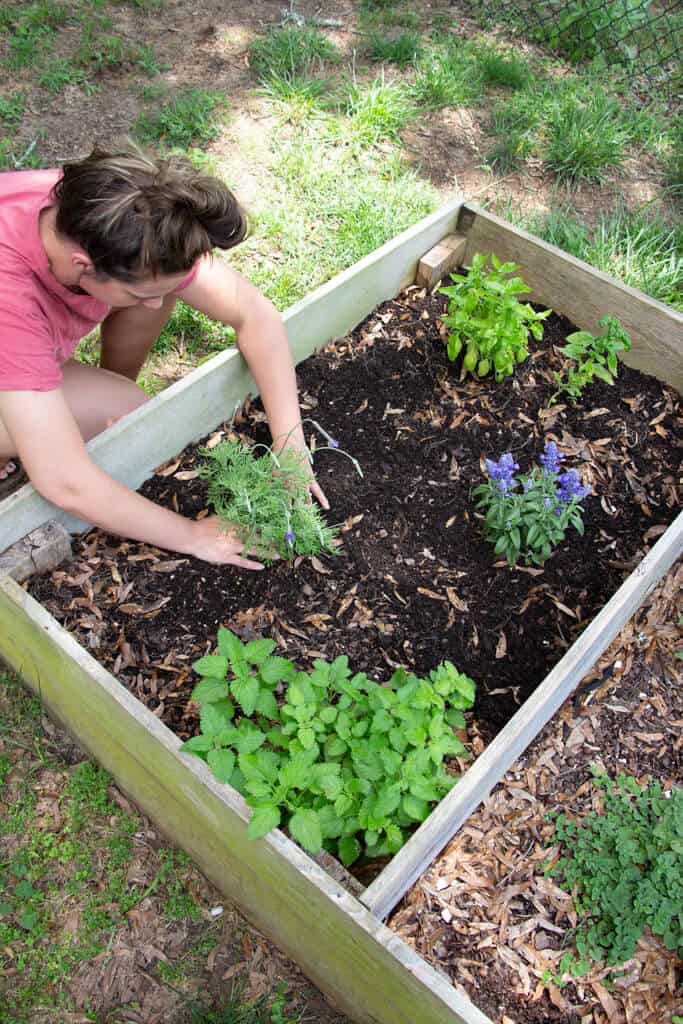
Mulch helps in hot months. Add a thin layer of shredded leaves or fine bark. Keep mulch a bit away from stems.
Herbs gardening for beginners improves fast when you master light and water. These two steps prevent most problems.

Planting Methods: Pots, Raised Beds, or Indoors
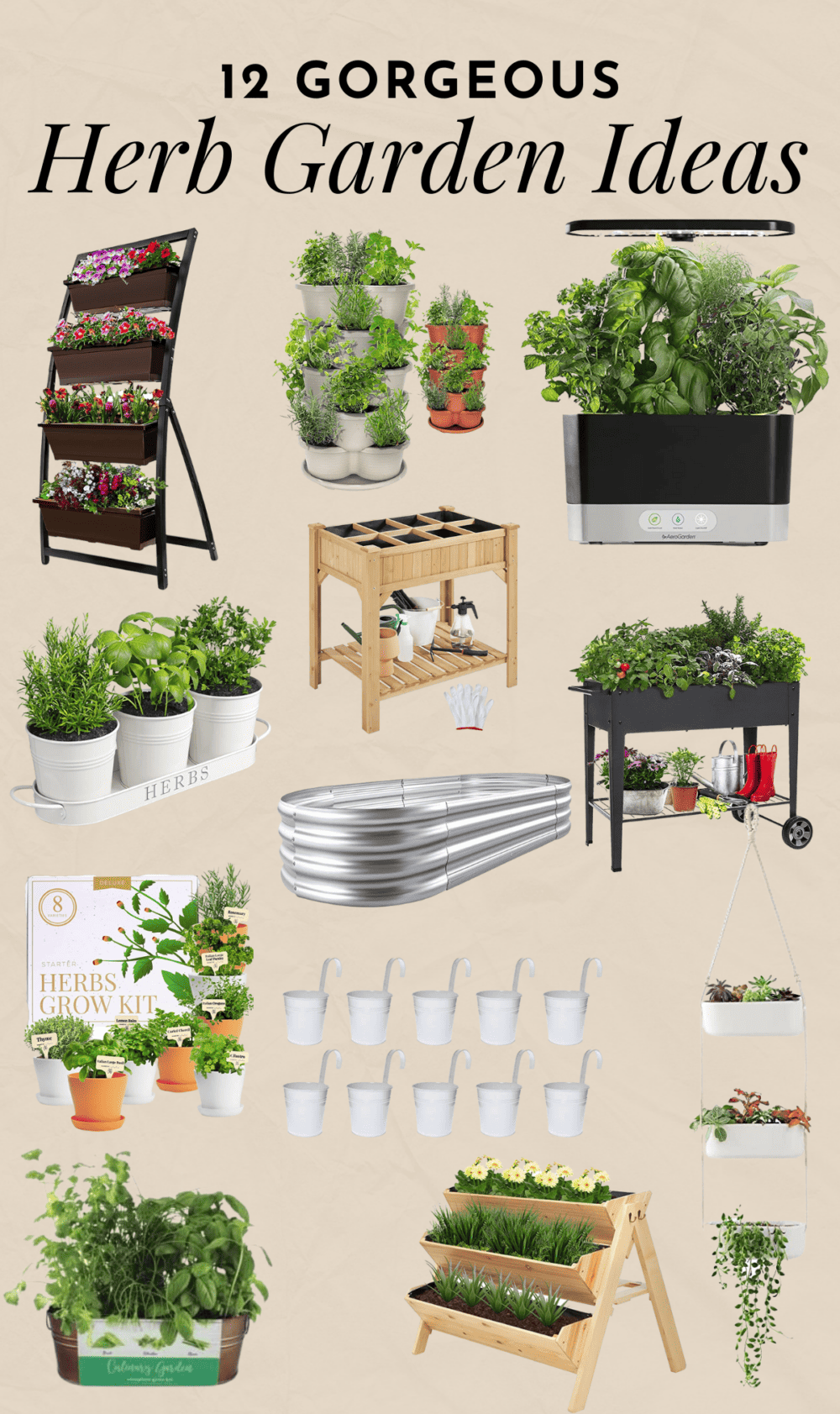
Pots are simple and flexible. They fit on steps, desks, and rails. Pick a pot at least 8 inches wide for basil or mint. Thyme and chives do well in smaller pots.
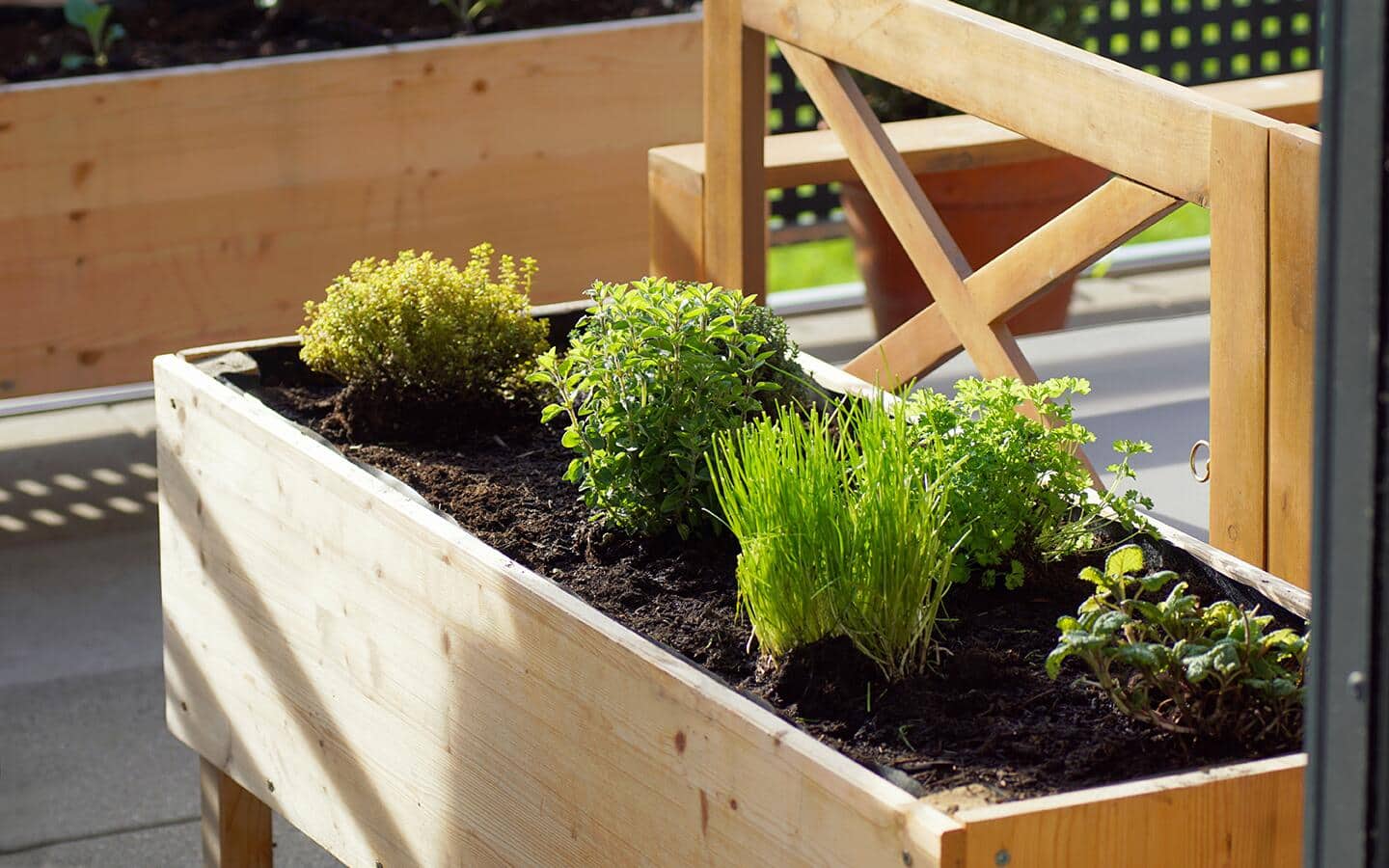
Raised beds warm early and drain fast. Space herbs 8 to 12 inches apart. Place taller herbs at the back. Keep a path to reach all sides.
Indoors works well with light help. Use a sunny sill or add an LED strip. Run lights 12 to 14 hours a day. Turn a fan on low for air flow.
Use saucers to protect floors. Empty any standing water. Your herbs do not like wet feet.
Herbs gardening for beginners fits any home. Choose the method that suits your space and time.

Care Routine: Prune, Feed, and Harvest
Pruning makes herbs bushy. Pinch soft tips above a leaf pair. Remove flowers on basil and mint to keep flavor strong.
Feed light but steady. Mix compost into soil every few months. Use liquid seaweed or fish feed at half strength, every three to four weeks in peak season.
Harvest often. Take small bits from many stems. Do not cut more than one third of a plant at once. Morning harvest holds the best oils.
Companion ideas:
- Basil near tomatoes for shared sun and water
- Chives near carrots to mask scent
- Thyme near peppers to lure bees
Herbs gardening for beginners shines with a calm routine. A weekly 10 minute check is enough.

Common Problems and Fixes
Yellow leaves often mean too much water. Check drain holes. Let soil dry a bit before the next drink.
Leggy stems point to low light. Move plants to more sun. Or raise the grow light and increase hours.
Aphids and mites show as tiny dots or webs. Spray leaves with water. Use mild soap spray or neem if needed. Repeat every few days.
Powdery mildew looks like white dust. Improve air flow. Water the soil, not the leaves. Trim crowded stems.
Bolting happens when herbs like cilantro face heat. Grow in cool seasons. Plant small batches every two weeks.
I once lost a whole pot to spider mites. The fix was simple care. A steady water spray and better light ended the issue in a week.
Herbs gardening for beginners gets easier when you spot signs early.
Seasonal Care and Overwintering
Know your frost dates. Warm lovers like basil die at first frost. Grow them as annuals. Cool lovers like parsley can handle light frost.
Some herbs can live indoors in winter. Move rosemary, thyme, and oregano inside before hard frost. Give bright light and less water.
Take cuttings in late summer. Root basil and mint in water. Pot them for a fresh indoor start.
Trim long stems before winter. Remove dead leaves. Check for pests before bringing pots inside.
Herbs gardening for beginners lasts year round with simple moves at season change.

Simple Recipes and Uses to Keep You Motivated
Use herbs as soon as you harvest. Fresh use builds the habit.
Fast ideas:
- Lemon basil pesto: Basil, garlic, lemon zest, nuts, oil, salt. Blend smooth.
- Chimichurri: Parsley, oregano, garlic, red pepper, vinegar, oil. Chop by hand.
- Mint tea: Fresh mint, hot water, honey. Steep five minutes.
- Herb salt: Thyme, rosemary, lemon zest, flaky salt. Dry and store.
- Safe herb oil: Keep in the fridge. Use within one week for safety.
Small wins keep you going. Herbs gardening for beginners sticks when meals taste better right away.
Frequently Asked Questions
How much sun do herbs need?
Most herbs need six to eight hours of direct sun. Indoors, use an LED grow light if windows are dim.
How often should I water herbs?
Water when the top inch of soil is dry. In heat, you may water every day. In cool weather, wait longer.
What is the best soil for herbs?
Use a well draining potting mix with perlite and compost. Avoid garden soil in pots because it compacts and holds too much water.
Can I grow herbs indoors year round?
Yes, with bright light and good airflow. Add an LED grow light for 12 to 14 hours a day.
Why do my herbs turn leggy?
They need more light or more pruning. Move them to stronger light and pinch tips often.
How do I stop basil from flowering?
Pinch off flower buds as they form. Regular harvests keep basil leafy and sweet.
Which herbs are best for small spaces?
Choose chives, thyme, parsley, and mint. They grow well in small pots and window boxes.
Conclusion
You can grow fresh flavor with simple steps. Pick a sunny spot, use well draining soil, and harvest often. Start small, learn fast, and enjoy the process.
Herbs gardening for beginners rewards steady care, not perfect skill. Plant three herbs this week. Pinch, taste, and cook. Share your wins, ask questions, and join the journey. If you found this helpful, subscribe for more easy garden guides and tips.