

Most herbs thrive in pots with sun, fast-draining soil, and steady watering.
If you want fresh basil on the counter, mint on the porch, and thyme by the stove, you can do it with a few smart moves. I’ve grown herbs on a tiny fire escape, a bright kitchen shelf, and a hot patio. In this guide, I share proven potted herb gardening tips you can use today. You will learn how to choose pots, dial in light and water, prune for flavor, and fix common problems fast. These potted herb gardening tips are simple, tested, and work in real homes.
Choosing Containers That Help Herbs Thrive
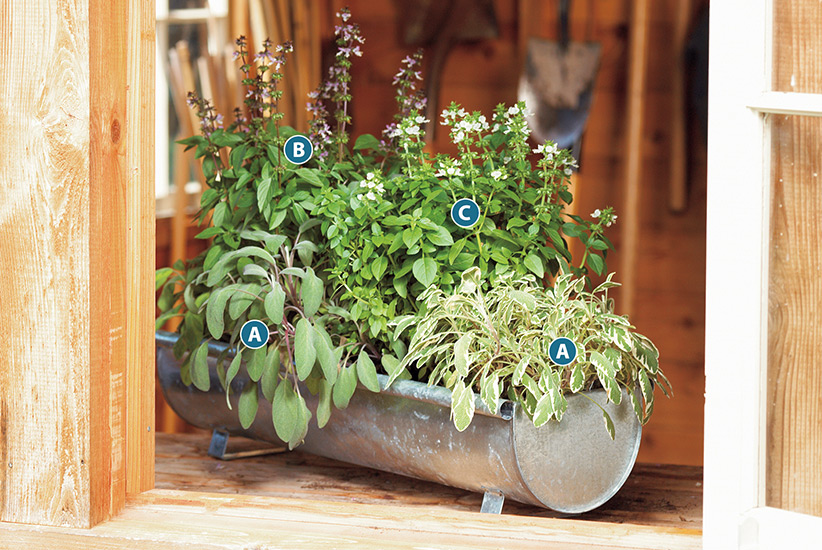
Great pots do three things: drain fast, fit the plant, and hold up to weather. If a pot has no holes, skip it or drill some. Roots need air as much as water.
Pick size by the plant:
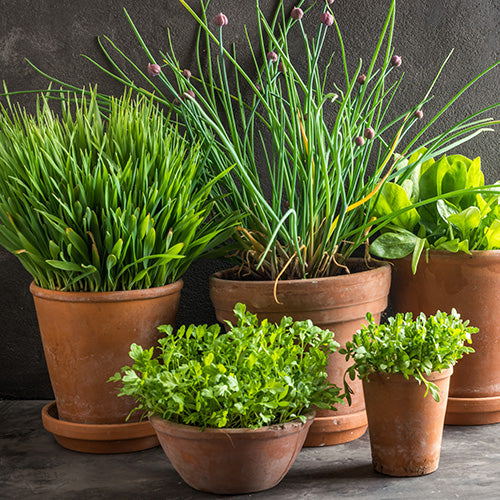
- Small herbs like thyme, chives, and oregano do well in 6–8 inch pots.
- Big herbs like basil, parsley, cilantro, and sage like 10–12 inch pots.
- Mint wants its own pot. It runs wild and will crowd others.
Material matters:
- Terracotta breathes and helps prevent soggy roots. It dries faster, so water more often.
- Glazed ceramic holds moisture longer. Good for hot, dry spots.
- Fabric grow bags drain well and keep roots cool in summer.
Place saucers under indoor pots to protect floors. Empty extra water after 20 minutes. That is one of the most important potted herb gardening tips you can follow.
Potting Mix and Drainage That Work
Garden soil compacts in pots. Use a high-quality soilless mix. Look for peat or coco coir with perlite or pumice. Add a handful of extra perlite for fast drainage.
A simple DIY blend:
- 2 parts potting mix
- 1 part perlite or pumice
- 1 part compost for gentle nutrients
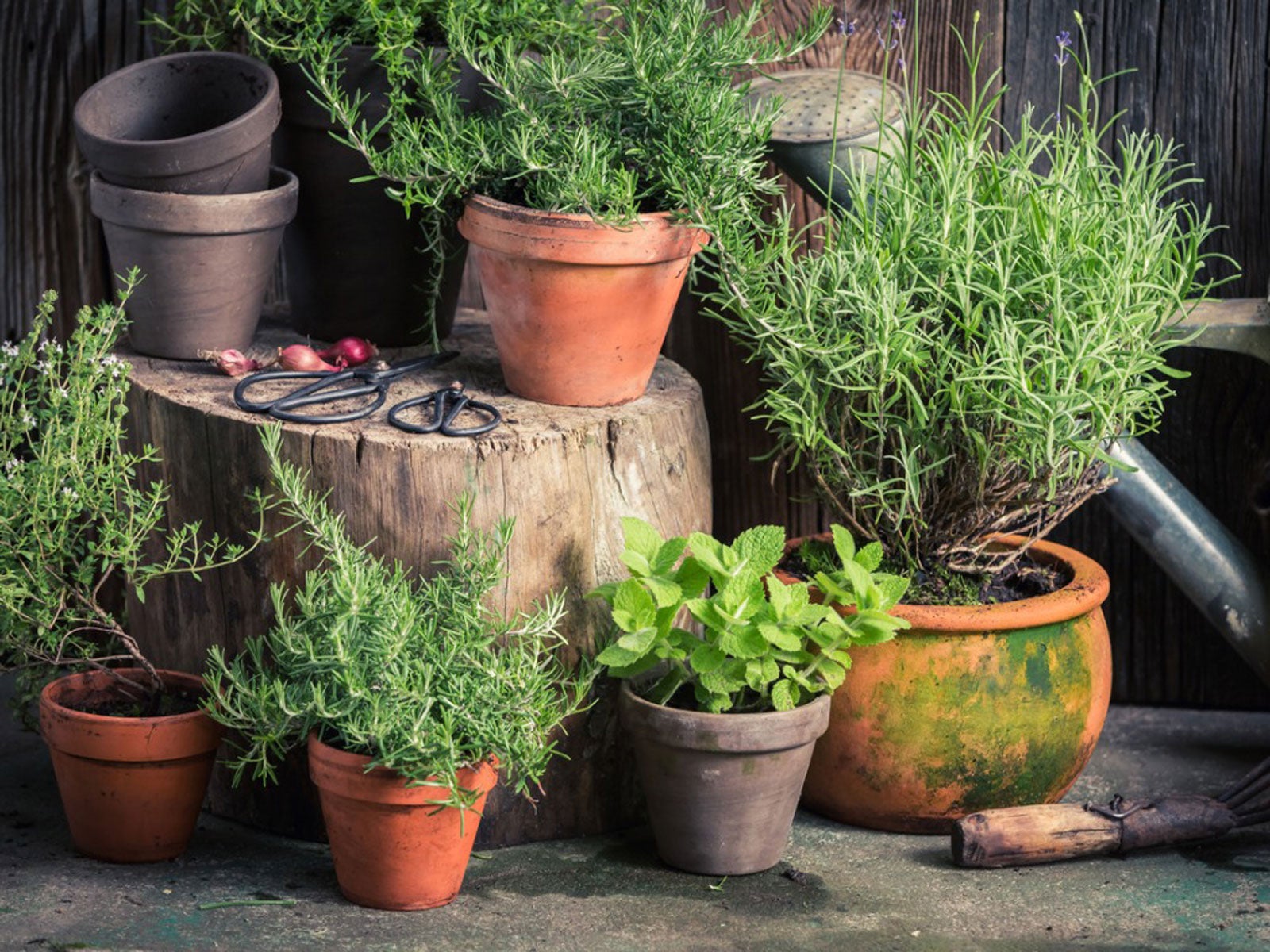
Most herbs like a pH near neutral (6.0–7.5). If you add compost, go light. Too much can hold water. For rosemary, lavender, and thyme, make it extra gritty. These potted herb gardening tips keep roots healthy and leaves full of flavor.
Light: Sun Maps and Indoor Spots
Most culinary herbs crave 6–8 hours of direct sun. Track sun on your porch or sill for one day. Note morning and afternoon light. South and west windows are gold.
If you grow indoors, use LED grow lights set 6–12 inches above the plants. Run them 12–14 hours a day. Basil, thyme, and rosemary stay compact with bright light. Dim light makes herbs tall and weak. Among the best potted herb gardening tips I share with beginners is this: more light equals more taste.

Watering Made Simple
Water needs change with heat, wind, and pot size. Use the finger test. If the top inch is dry, water. If it is cool and damp, wait. Water slowly until it drains from the bottom.
Know the plant:
- Basil likes steady moisture. Do not let it wilt often.
- Rosemary hates wet feet. Let it dry a bit between drinks.
- Mint enjoys more water and does well in slightly moist mix.
Bottom watering works well for indoor pots. Set the pot in a tray of water for 15 minutes, then drain. These potted herb gardening tips cut down on root rot and stress.
Feeding, Pinching, and Pruning for Flavor
Herbs are light feeders. Use a balanced liquid fertilizer at half strength every 3–4 weeks in spring and summer. Skip or reduce in winter when growth slows.
Pruning rules I use every week:
- Pinch basil above a pair of leaves to keep it bushy.
- Snip flower buds on basil and mint to keep leaves sweet.
- Trim rosemary and thyme lightly. Never cut into brown, woody stems.
Do not harvest more than one third of a plant at once. Clean shears lower disease risk. The most overlooked potted herb gardening tips are simple cuts at the right time.
Smart Planting Plans and Companion Combos
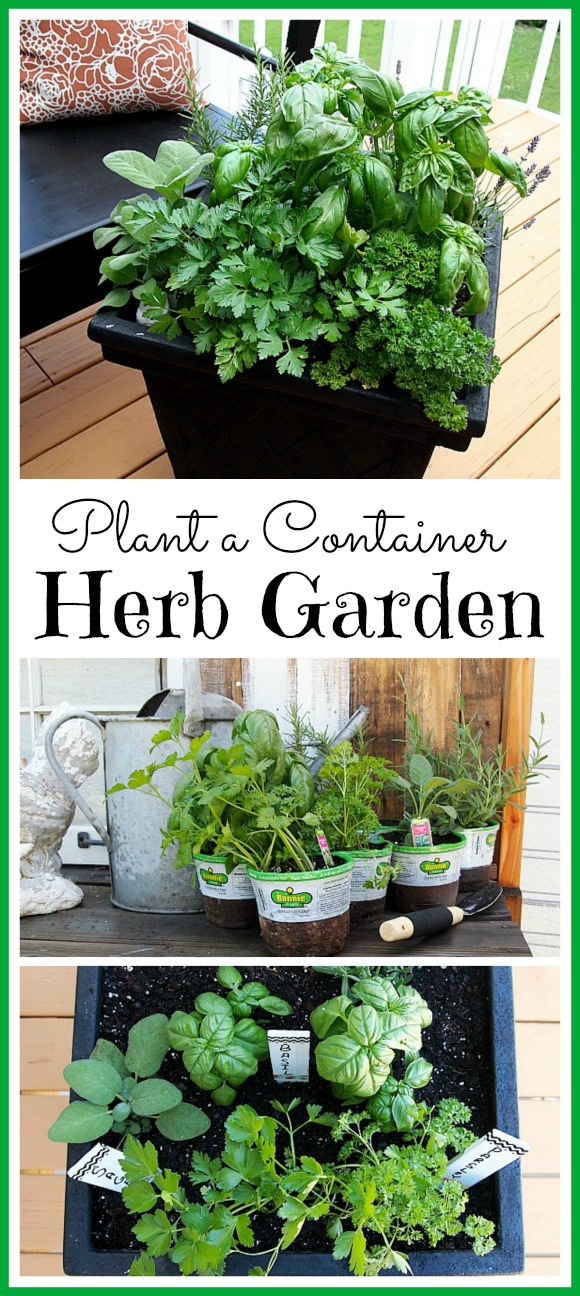
Group herbs by needs, not by taste. Dry-loving herbs want one pot. Moisture-loving herbs want another. This sets you up to water well.
Great combos:
- Mediterranean pot: rosemary, thyme, and oregano. All love sun and dry feet.
- Soft-leaf pot: basil and parsley. Both like steady water and rich mix.
- Keep mint solo. It takes over.
Add a thin layer of fine bark mulch. It slows water loss but do not pile it at the stems. Good spacing boosts airflow. That prevents mildew. These simple potted herb gardening tips make mixed planters thrive.

Season-by-Season Care and Overwintering
Spring is for planting and light feeding. Summer is for steady water and frequent harvests. Fall is for cutbacks and moving tender herbs inside. Winter is for rest.
Before frost, bring basil and other tender herbs indoors. Rinse leaves to remove pests. Place them near your brightest window. Water less in winter. Most herbs drink less with low light. This is one of those potted herb gardening tips that saves plants when days get short.

Pests, Diseases, and Organic Control
Common pests include aphids, spider mites, and whiteflies. Check leaf undersides each week. A strong water spray knocks many off. Insecticidal soap or neem oil helps when bugs hang on.
Watch for powdery mildew and root rot. Improve airflow. Water in the morning. Keep leaves dry. Use clean tools. These potted herb gardening tips come from trial and error, plus solid horticulture advice.
Personal note: One summer, my balcony basil got spider mites during a heatwave. A cool shower, then weekly neem at dusk, saved the crop. I also moved the pot to catch more morning sun and less harsh afternoon heat.
Harvest, Storage, and Ongoing Renewal
Morning harvests taste best. Oils peak then. Snip just above a leaf node. That prompts fresh growth.
Storage options:
- Short term: wrap stems in a damp towel and chill.
- Freeze: chop and freeze in oil in ice trays.
- Dry: hang bundles of thyme, oregano, or rosemary in a airy, dark room.
Refresh tired pots each season. Top-dress with compost. Replace plants that bolt, like cilantro and dill. These potted herb gardening tips keep your setup lively and productive all year.
Budget, Tools, and Setup Checklist
You do not need fancy gear. A few basics go far and last for years. Here is my fast setup plan based on many small-space gardens.
Starter checklist:
- Three 10-inch pots with drainage holes and saucers
- Quality potting mix, perlite, and a small bag of compost
- Hand trowel, pruning shears, and a watering can with a fine rose
- Organic liquid fertilizer
Seven easy steps:
- Choose three herbs that fit your light. Try basil, parsley, and thyme.
- Fill pots with mix: 2 parts potting mix, 1 part perlite, 1 part compost.
- Plant at the same depth as the nursery pot. Do not bury stems.
- Water slowly until you see runoff.
- Place where you get 6–8 hours of light or set grow lights.
- Pinch basil after it has 6–8 leaves.
- Feed lightly every 3–4 weeks through summer.
Use these potted herb gardening tips to build a low-cost, high-flavor garden you can enjoy now.
Frequently Asked Questions of potted herb gardening tips
How much sun do potted herbs need?
Most need 6–8 hours of direct sun. If indoors, use LED grow lights for 12–14 hours a day.
How often should I water herbs in pots?
Water when the top inch feels dry. In heat or wind, you may need to water daily; in cool weather, much less.
What is the best soil for potted herbs?
Use a soilless potting mix with perlite or pumice. Avoid garden soil because it compacts and stays wet in pots.
Can I plant different herbs in the same pot?
Yes, if they have the same water and light needs. Keep mint in its own pot to prevent crowding.
How do I keep basil from getting bitter?
Pinch off flowers as they appear and harvest often. Give steady water and bright light to keep leaves tender.
Do I need fertilizer for potted herbs?
Use a balanced liquid feed at half strength every 3–4 weeks during active growth. Skip or reduce feeding in winter.
How do I prevent pests on indoor herbs?
Inspect weekly, rinse leaves, and improve airflow. Use insecticidal soap or neem oil at the first sign of pests.
Conclusion
You now have a clean plan for pots, mix, light, water, and care. Start small, harvest often, and adjust by what you see. These potted herb gardening tips help you grow fresh flavor in any space.
Pick three herbs, set them in bright light, and get your first harvest in weeks. Ready for more potted herb gardening tips and fresh ideas? Subscribe for updates, ask a question, or share your setup in the comments.