

Yes. Coffee grounds can boost herb gardens when used lightly, composted, and balanced.
Curious minds often ask, are coffee grounds good for herb gardens? I’ve tested them across raised beds, pots, and in-ground plots for years. In this guide, I’ll show you what actually works, what backfires, and how to use coffee grounds so your basil, parsley, mint, and more stay lush and tasty without stress.

Source: cleanairgardening.com
Are coffee grounds good for herb gardens? How they work in soil
Coffee grounds are organic matter with a modest nitrogen boost. Spent grounds usually sit near neutral pH, not strongly acidic, because most acids go into the brew. They add texture, feed microbes, and can improve soil over time when used in small doses.
Key facts to set the record straight:
- Nutrients: Grounds average about 1–2% nitrogen, with trace potassium, phosphorus, magnesium, and micronutrients.
- pH: Spent grounds tend to be slightly acidic to near neutral. They do not acidify soil the way many people fear.
- Texture: They are fine particles. In thick layers, they can compact and repel water. Mixed well, they help structure.
- Microbes: Grounds wake up microbes. That can improve nutrient cycling when balanced with carbon-rich materials like leaves.
- Caffeine and allelopathy: Brewing removes most caffeine. Fresh, unbrewed grounds have more and can stress seedlings if overused.
Are coffee grounds good for herb gardens in containers? Yes, when pre-composted and kept to a small share of the mix. Direct, heavy use can cause soggy, airless soil and slow growth.
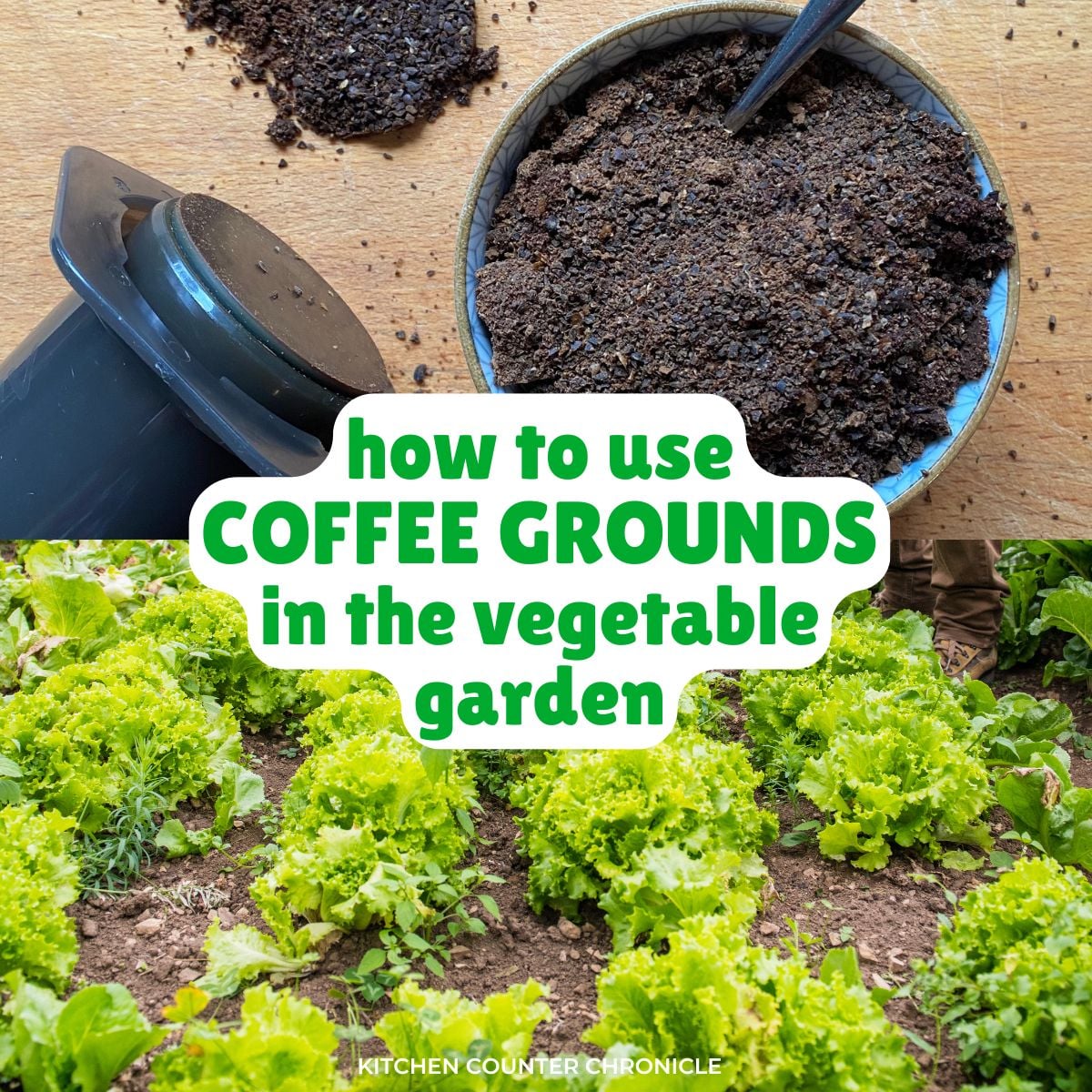
Source: kitchencounterchronicle.com
Benefits when used the right way
Used well, coffee grounds can support a steady, gentle boost for common kitchen herbs.
What you can gain:
- Steadier nitrogen for leafy growth in basil, parsley, cilantro, and chives.
- Better soil life as microbes break grounds down and build humus.
- Improved moisture holding in sandy beds when mixed with other compost.
- Light mulch that blends into the soil over time when applied very thin and topped with other mulch.
- Less waste, since you recycle a kitchen byproduct.
Are coffee grounds good for herb gardens all by themselves? No. They shine as a small part of a bigger soil plan with compost, mulch, and good watering.

Risks, myths, and limits
Let’s tackle the common problems I’ve seen and what research backs up.
- Thick layers can mat and shed water. This starves roots of air and can lead to fungal growth on top.
- Seedlings and slow-draining pots can stall if grounds are used fresh and heavy.
- Pets can get sick if they eat coffee grounds. Keep grounds off paths and away from curious dogs.
- The acidity myth is overblown. Spent grounds are not a fix for acid-loving plants, nor do they make soil sour overnight.
- Slug and cat deterrence is mixed. Coarse texture may slow slugs a bit, but it’s not a reliable fix.
Are coffee grounds good for herb gardens if your soil is already rich and moist? Be cautious. Add them through compost, not as a pure top layer.
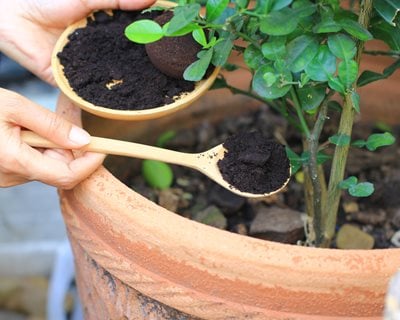
How to use coffee grounds for herb gardens
Follow these field-tested methods and amounts. Small, steady, and mixed is the rule.
Compost first
- Add up to one part grounds to three parts browns like dry leaves, shredded cardboard, or straw.
- Keep piles airy and moist like a wrung-out sponge. Turn weekly for fast breakdown.
- Finished compost should smell earthy, not like coffee.
Side-dress with a tiny layer
- Sprinkle a dusting around established herbs, no thicker than 1–2 millimeters.
- Cover with an inch of leaf mold, straw, or bark fines to prevent crusting.
- Water in well.
Blend into soil or potting mix
- For garden beds, mix pre-composted grounds into the top 2–3 inches at about 5% by volume.
- For containers, use pre-composted grounds at 5–10% of the potting mix, never fresh.
- Add perlite or pumice to keep airflow high.
Vermicompost for extra smooth results
- Worm bins love coffee in small doses. Mix with shredded paper and kitchen scraps.
- Use the worm castings as a top-dress for herbs once a month during the growing season.
Seasonal cadence
- Late winter or early spring: add compost that included coffee grounds.
- Midseason: make one light side-dress if leaves pale.
- Fall: work in compost again to recharge soil life.
Are coffee grounds good for herb gardens if used as a liquid “tea”? Skip it. Cold-brewed soaks add little and can grow microbes you do not want. Composting is safer and more effective.

Best herbs for coffee grounds, and ones to limit
Some herbs enjoy a nudge of nitrogen. Others prefer lean, dry soil.
Often benefit from small, steady inputs
- Basil
- Parsley
- Cilantro
- Chives
- Mint and lemon balm in containers where you control moisture
- Lemongrass in warm regions
Use very sparingly or avoid direct use
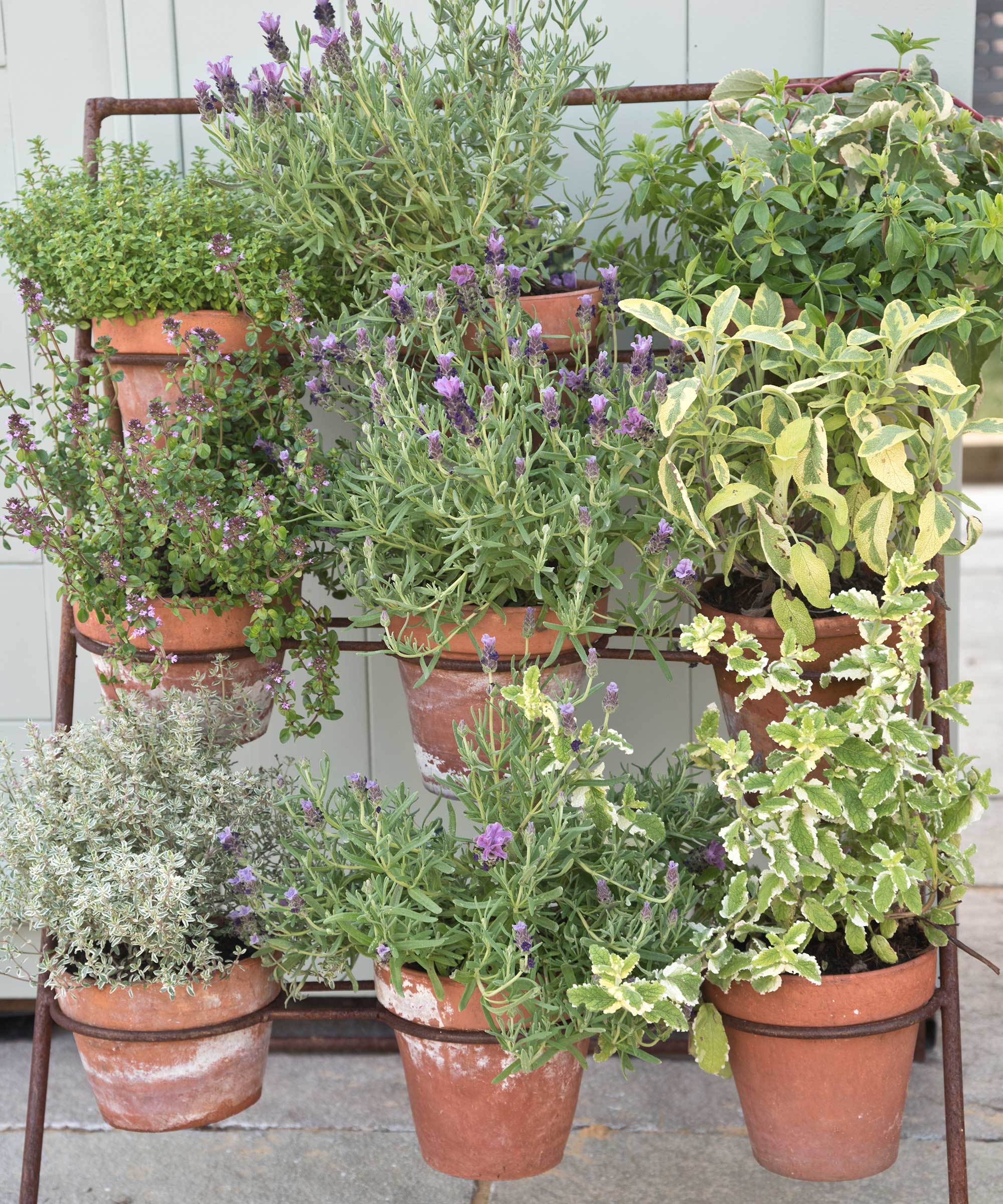
- Rosemary, lavender, thyme, oregano, and sage prefer lean, well-drained soil.
- Bay laurel, curry plant, and santolina also do better with low nitrogen and sharp drainage.
Are coffee grounds good for herb gardens filled with Mediterranean herbs? Only via well-matured compost mixed into the bed, and even then, keep it light.
Watering, drainage, and mulch tips
Coffee grounds can change how water moves through soil. Watch moisture like a hawk.
- Aim for moist, not wet. Let the top inch dry before the next soak, especially in pots.
- Use a fluffy top mulch over any thin coffee layer. Leaves, pine needles, or shredded bark work well.
- In clay soil, use compost that had coffee grounds instead of direct grounds. Add coarse grit or perlite for air.
Are coffee grounds good for herb gardens in hot, dry climates? Yes, when composted and used with mulch. They help hold moisture, but do not skip airflow.

What I’ve learned from real gardens
Across five seasons, I ran side-by-side tests in beds and pots.
- Basil with a compost that included 15% coffee grounds grew lusher leaves and needed fewer liquid feeds.
- Cilantro bolted slower in spring when soil had pre-composted grounds and leaf mold.
- Mint in a pot stalled when I top-dressed with a thick, fresh layer. A thin dusting under mulch fixed it the next round.
- Rosemary yellowed when I mixed fresh grounds into a heavy potting soil. It recovered after I repotted into a leaner, grittier mix with no fresh grounds.
Are coffee grounds good for herb gardens after you compost them first? In my trials, that’s the sweet spot for steady gains with low risk.
Troubleshooting: signs you used too much and quick fixes
If things go sideways, here is what to look for and how to course-correct.
- Crusted, water-repellent surface: Break the crust with a hand fork. Add leaf mulch on top.
- Mushy, sour smell: Pull back the layer, let soil air out, and mix in dry browns.
- Yellowing leaves with slow growth: Check drainage. Add a balanced organic feed and improve aeration.
- Fungus on top: It is usually harmless. Scratch it in and cover with mulch, or remove the layer if it stays wet.
- Seedlings stalling: Avoid direct grounds. Start seeds in clean, light mix. Add compost later.
Are coffee grounds good for herb gardens if you love thick mulch? Not as a solo mulch. Use a very thin dusting under a lighter, chunky mulch.
Frequently Asked Questions of are coffee grounds good for herb gardens
Are coffee grounds good for herb gardens in raised beds?
Yes, when composted first and added in small amounts. Mix finished compost into the top few inches and avoid thick surface layers.
Are coffee grounds good for herb gardens if I only grow in pots?
Yes, but keep pre-composted grounds to 5–10% of the potting mix. Make sure containers drain well and include perlite for airflow.
Are coffee grounds good for herb gardens that have clay soil?
Use compost that included coffee grounds rather than fresh grounds. Add coarse materials to open the soil and prevent compaction.
Are coffee grounds good for herb gardens to keep pests away?
Results are mixed. Grounds may slow some slugs, but they are not a dependable pest control method.
Are coffee grounds good for herb gardens with Mediterranean herbs?
Use them only through mature compost and at low rates. These herbs prefer lean, well-drained soil with minimal nitrogen.
Are fresh coffee grounds or spent grounds better for herbs?
Spent grounds are safer because brewing removes many soluble compounds. Fresh grounds can stress seedlings and compact soil if overused.
Are coffee filters OK to compost with the grounds?
Yes, most paper filters break down well. Shred them to speed up composting and balance with dry browns.
Conclusion
Coffee grounds can be a smart, low-cost boost for herbs when you treat them as a spice, not the main dish. Compost first, use thin layers, and match the method to each herb’s needs. If you have asked yourself, are coffee grounds good for herb gardens, the clear path is light, balanced use with good drainage and mulch.
Try a small test plot this week. Track moisture, growth, and flavor. Share what you learn, subscribe for more garden guides, or leave a comment with your results so we can grow better herbs together.