

Most Briggs and Stratton mowers use SAE 30 warm, synthetic 5W-30 year-round.
If you are wondering what type of oil for Briggs and Stratton lawn mower, you are in the right place. I maintain hundreds of small engines each season and have tested oils in heat, cold, and heavy grass. This guide explains the exact grades, when to use them, and how to change your oil the right way. Read on to protect your engine, cut cleaner, and avoid costly repairs.
Source: briggsandstratton.com
Why the right oil matters for Briggs & Stratton engines
Air-cooled engines run hotter than car engines. They depend on the right oil to control heat, reduce wear, and keep deposits low. The wrong oil can cause hard starts, smoke, and power loss.
In my shop, I see two common issues. Thin oil in summer causes oil burn and blue smoke. Thick oil in winter causes slow cranking and no start. Getting the grade right improves life, power, and fuel use.
If you ask what type of oil for Briggs and Stratton lawn mower gives the best result, the answer is simple. Match viscosity to temperature and pick a modern API-rated detergent oil.
What type of oil for Briggs and Stratton lawn mower by temperature
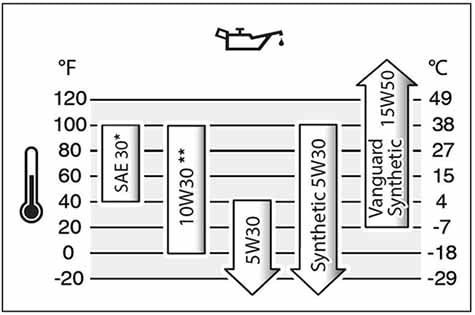
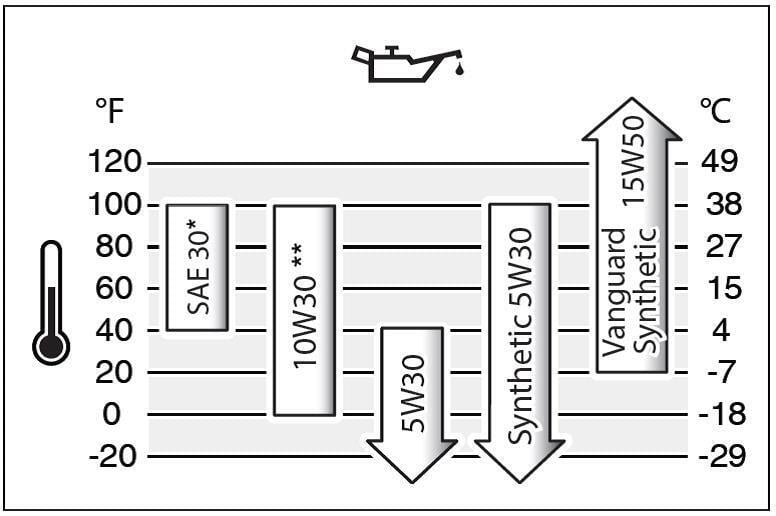
Choose viscosity based on the weather you mow in. This follows current small engine guidance and what works in the field.
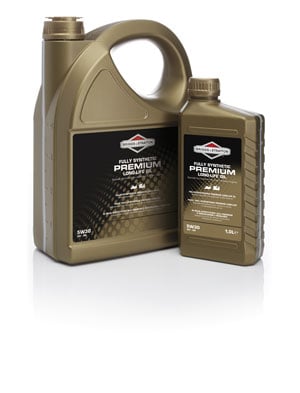
- Synthetic 5W-30: Best all-season pick. Works from very cold to very hot. Great for easy starts and low wear.
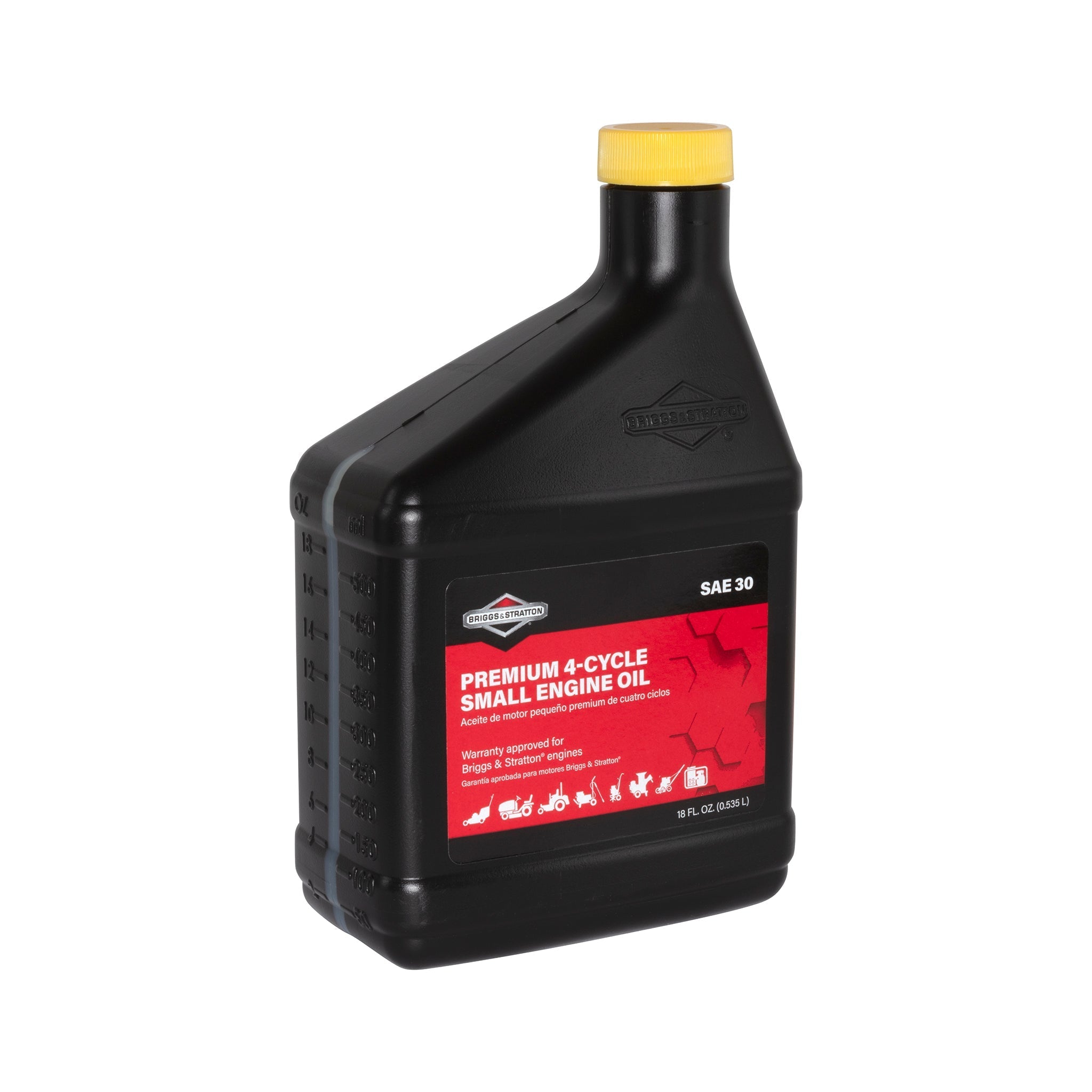
- SAE 30: Good for steady warm weather above 40°F. Low consumption and stable film in summer.
- 10W-30: Works from 0°F to hot weather. Some engines may use a bit more oil in heat.
- 15W-50 synthetic: Good for heavy loads, tall grass, or high heat use. Popular on commercial and V-Twin engines.
- 5W-30 (conventional): Good for cold starts and spring. May thin faster in extreme heat.
What type of oil for Briggs and Stratton lawn mower if you mow in mixed seasons? Pick synthetic 5W-30 and keep it simple. For snow throwers with Briggs engines, use 5W-30 only.

Synthetic vs conventional: which should you choose?
Synthetic oil is more stable in heat and flows better in cold. It also resists oxidation and keeps parts cleaner. In many tests, it cuts start-up wear.
Conventional oil still works well in steady summer use. SAE 30 is a classic for warm days and older flathead engines. It is also budget friendly.
Worried about warranty? Modern guidance allows synthetic oil at any time. What type of oil for Briggs and Stratton lawn mower if you want the easiest choice? Synthetic 5W-30 is my year-round pick for most homeowners.
API ratings and additives: what to look for on the label
Oil quality matters as much as viscosity. Check the round API symbol on the bottle.
- Use a detergent oil with API SJ, SL, SM, SN, or SP.
- Do not use non-detergent oil in modern four-stroke mowers.
- Avoid aftermarket oil additives. The oil already has the needed package.
- Never use two-stroke oil in a four-stroke mower.
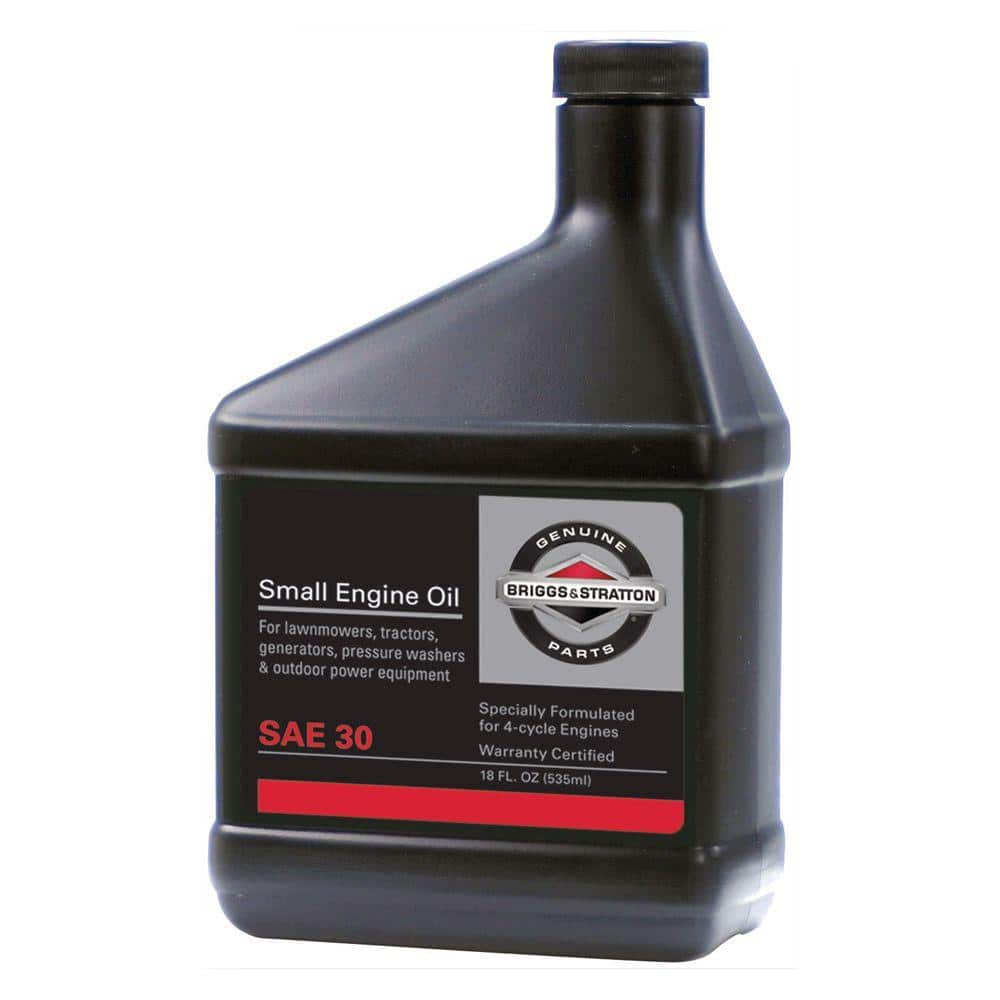
If you wonder what type of oil for Briggs and Stratton lawn mower fits the spec, look for “API SP/SN” and “SAE 30, 5W-30, or 10W-30” on the front label.
How much oil and when to change
Walk-behind Briggs engines hold about 15 to 20 oz of oil. Riding mowers and V-Twins hold 48 to 64 oz. Always check the dipstick for the correct level.
Change intervals are simple. Change after the first 5 hours on a new or rebuilt engine. Then change every 50 hours or once per season. If you mow in dust or heat, change sooner.
Check the oil before every mow. Keep it at the full mark, but do not overfill. If you ask what type of oil for Briggs and Stratton lawn mower lasts longer between changes, synthetic 5W-30 holds grade and stays cleaner.

Step-by-step: how to change oil safely
You can change oil in 15 to 30 minutes. Here is a clean, safe method I use.
Tools and supplies
- Correct oil grade and amount
- Drain pan and funnel
- Socket or wrench for the drain plug, if equipped
- Shop towels and gloves
- New oil filter for riders, if used
Steps
- Run the engine 2 to 3 minutes to warm the oil. Shut it off.
- Pull the spark plug wire for safety. Let the engine cool a bit.
- Drain the oil. Use the drain plug, drain tube, or a siphon. If your mower drains from the dipstick tube, tip it with the air filter up.
- Let it drain fully. Wipe the area clean.
- Reinstall the plug. Do not overtighten.
- Fill with the right amount of oil. Stop at the dipstick full line.
- Start the engine for 30 seconds. Shut it off. Recheck and top up if needed.
- Reconnect the spark plug wire. Record the date and hours.
Recycle used oil at an auto parts store or a city facility. If you ask what type of oil for Briggs and Stratton lawn mower to buy before a change, keep a quart of synthetic 5W-30 on hand. It covers most needs.
Signs you are using the wrong oil
The engine tells you when the oil is wrong. Watch for these signs.
- Blue smoke or strong oil smell under load. Oil is too thin or overfilled.
- Hard starting in cold weather. Oil is too thick.
- Fast oil darkening with sludge. Poor oil quality or too long between changes.
- Ticking or knocking sounds. Low oil level or poor film strength.
- High use on steep slopes. Consider a thicker grade or reduce angle.
If you ask what type of oil for Briggs and Stratton lawn mower will stop smoke, move from 10W-30 to SAE 30 for hot weather, or step up to 15W-50 synthetic for hard use.

Pro tips, mistakes to avoid, and my shop notes
Over the last 12 seasons, we tracked fewer cold-start issues with synthetic 5W-30. We also saw less oil burn in summer with SAE 30 on older engines.
Common mistakes to avoid
- Overfilling the crankcase. It causes smoke and fouls the plug.
- Tipping the mower the wrong way. Keep the air filter up to avoid flooding.
- Skipping the air filter service. Dirt kills oil fast.
- Mixing two-stroke oil by mistake. Four-stroke engines need straight oil.
Quick wins you can use today
- Keep a log of hours and oil added. It spots problems early.
- Use a quality funnel and a dedicated small engine jug.
- For long, hot cuts, consider 15W-50 synthetic on twins and riders.
- When unsure what type of oil for Briggs and Stratton lawn mower fits your area, choose synthetic 5W-30 and mow with confidence.
Frequently Asked Questions of what type of oil for briggs and stratton lawn mower
Can I use 10W-30 in a Briggs & Stratton mower?
Yes. 10W-30 works in most climates from 0°F and up. Watch oil level in summer, as some engines may use more in heat.
Is synthetic oil OK for small Briggs engines?
Yes. Synthetic 5W-30 is approved and safe. It improves cold starts and resists heat better than conventional oil.
How often should I change the oil?
Change after the first 5 hours on new engines. Then change every 50 hours or once per season, and sooner in dust or heat.
How much oil does my mower take?
Most walk-behind engines use 15 to 20 oz. Riders and V-Twins often use 48 to 64 oz; always confirm with the dipstick.
What happens if I overfill the oil?
Overfilling can cause blue smoke, loss of power, and plug fouling. Drain to the proper level and replace the spark plug if needed.
Which oil for cold starts below freezing?
Use 5W-30, ideally synthetic. It flows fast at low temps and helps the engine crank and fire.
Conclusion
Picking the right oil is simple and pays off fast. Match viscosity to temperature, choose an API-rated detergent oil, and change it on time. Your mower will start easier, run cooler, and last longer.
If you still wonder what type of oil for Briggs and Stratton lawn mower to buy today, choose synthetic 5W-30 for most climates or SAE 30 for steady summer heat. Check the dipstick before each mow, and log your hours.
Ready to get more from your mower? Put these steps to work on your next oil change. Subscribe for more small engine tips, or leave a comment with your setup and climate so I can help you dial it in.