

Use SAE 30 for warm weather, 10W-30 or 5W-30 synthetic for most temps, and 15W-50 for hot, heavy-duty use.
Picking the right oil is simple when you understand your engine, your climate, and your mowing routine. In this guide, I will explain what type of oil for my lawn mower with clear steps, brand-agnostic tips, and proven advice from years of servicing small engines. You will learn how to read viscosity labels, when to use synthetic oil, and how to avoid the mistakes that wear engines out fast.
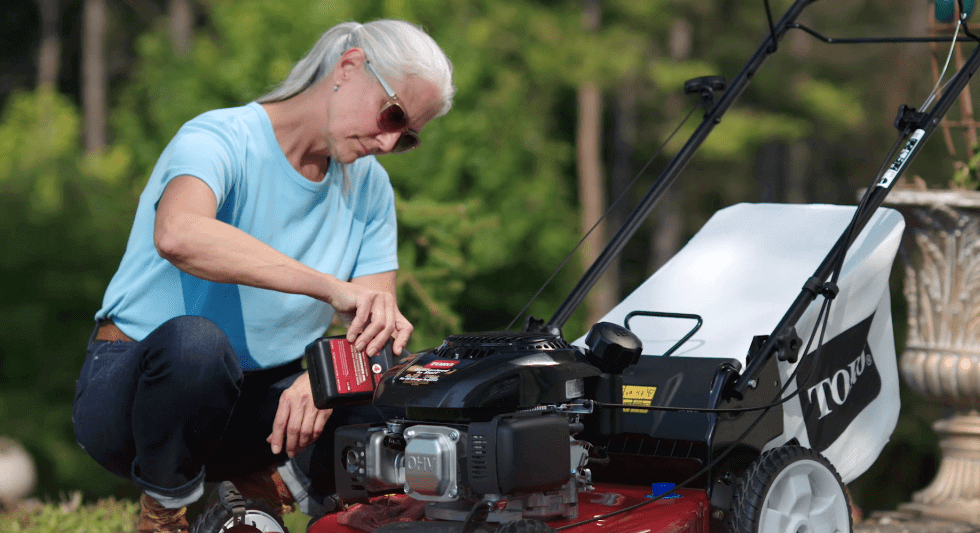
The short answer: how to choose the right mower oil
If you want a fast, safe choice, start here. Then match it to your mower and weather.
- Push or walk-behind 4-cycle mowers: Use SAE 30 above 50°F. Use 10W-30 or 5W-30 synthetic for spring and fall.
- Riding mowers and tractors: Use 10W-30 or 5W-30 synthetic year-round. In very hot weather or heavy-duty work, use 15W-50 synthetic.
- Commercial or zero-turn mowers: Many brands allow 15W-50 synthetic for hard use and high heat.
- Cold weather starts below 32°F: Use 5W-30 or 0W-30 synthetic.
- Two-stroke engines (rare in mowers, common in trimmers): Use the exact 2-cycle premix ratio listed in your manual. Do not use straight motor oil in the gas.
Always confirm with your manual. Most makers approve API SJ or newer detergent oil, including synthetic. If you ask me what type of oil for my lawn mower, I start with climate, then engine type, then workload.

Understanding mower engines and oil basics
Most modern lawn mowers use 4-cycle engines. That means the engine has a separate oil sump. You check it with a dipstick. You change the oil like a car, but it is simpler. A few very old mowers used 2-cycle engines. Those need oil mixed with gas at a set ratio.
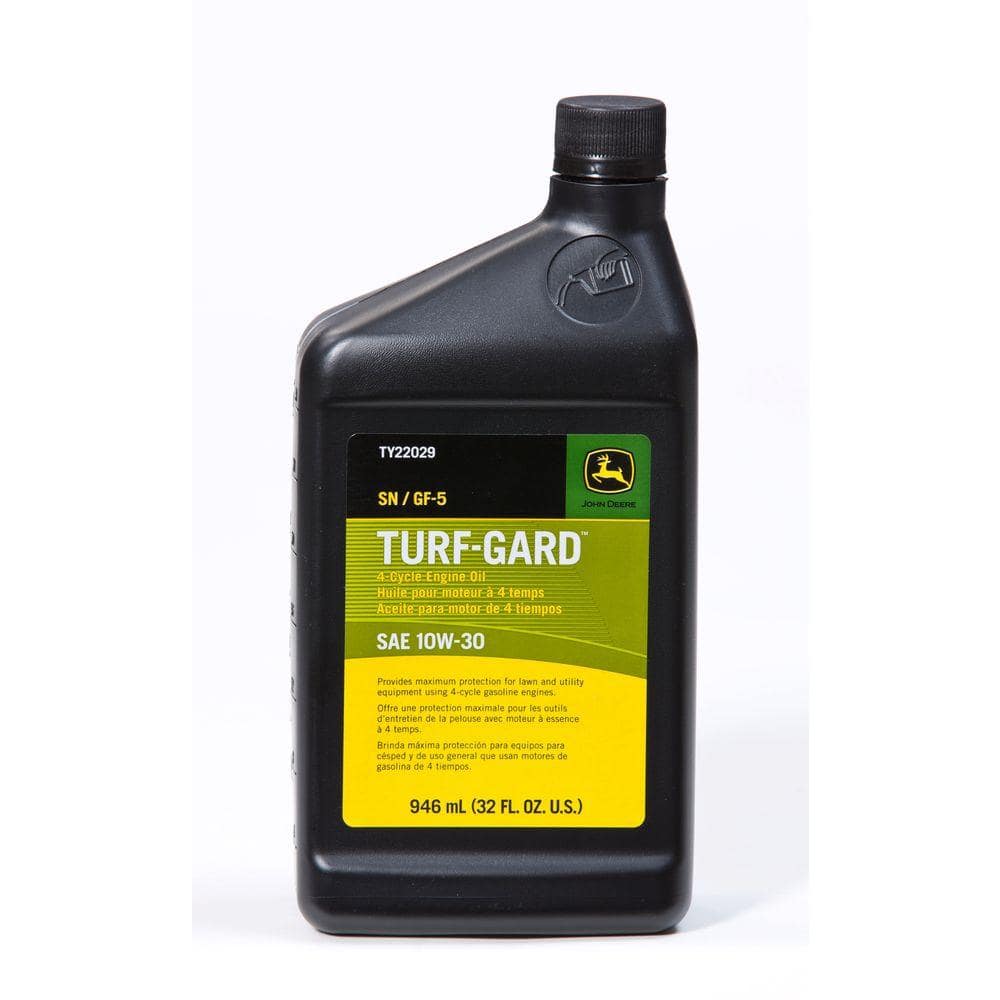
Viscosity is how thick the oil is. SAE 30 is a single-grade oil. It works well when it is warm. 10W-30 and 5W-30 are multi-grade oils. They flow better at start-up but still protect when hot. The W stands for winter, not weight.
Use a high-quality detergent oil with API SJ, SL, SM, SN, or SP. Detergent oil keeps the engine clean. It holds dirt in the oil so your next oil change can remove it. Non-detergent oil is for special cases and old engines that call for it.
Air-cooled engines run hotter than car engines. They shear oil faster. That is why the right grade matters more than the brand. When someone asks what type of oil for my lawn mower, I look at heat, load, and hours.
Can I use car oil in my mower?
Yes, if it meets API SJ or newer and the right viscosity. Many manuals say 10W-30 automotive oil is fine.
Do I need special “small engine oil”?
Not always. It can help in hot, dusty work. Still, an API-rated 5W-30 or 10W-30 synthetic works very well in most cases.
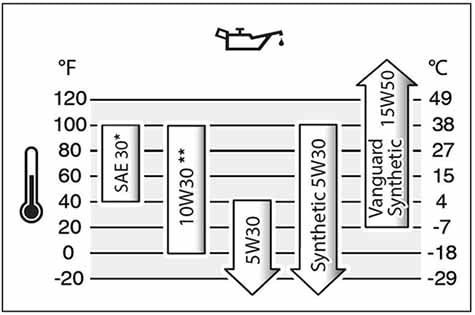
Climate and season: match viscosity to temperature
Oil must flow on a cold start and protect when hot. Your weather sets the range.
- Above 50°F: SAE 30 is a classic and safe choice for many walk-behind mowers.
- 20°F to 100°F swings: 10W-30 or 5W-30 synthetic covers most yards and seasons.
- Below 32°F cold starts: 5W-30 or 0W-30 synthetic turns over fast and reduces wear.
- Hot climates, heavy loads, or long runtimes: 15W-50 synthetic holds pressure and film strength.
Real example: In Texas summers, my zero-turn ran cooler and used less oil after I moved to 15W-50 synthetic as the maker allowed. In the Midwest, 5W-30 synthetic let a neighbor’s Honda start on the first pull in April and November.
If you still wonder what type of oil for my lawn mower in mixed seasons, choose 5W-30 synthetic and change it on time.
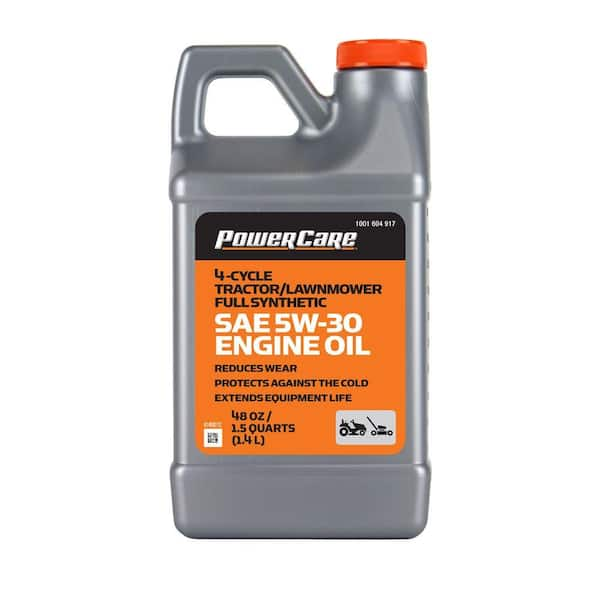
Synthetic vs conventional: is it worth it?
Synthetic oil resists heat and breakdown. It also flows better at start-up. That cuts wear. It holds viscosity longer during long mowing sessions. Your mower will not use more oil just because it is synthetic when the grade is right.
Conventional oil works fine for light, warm-weather mowing. If you mow in heat, on slopes, or for long runs, synthetic helps. It also makes cold starts easier. Most makers say synthetic oil does not void the warranty if it meets the API grade they list.
My rule after years in the shop: if you ask what type of oil for my lawn mower and you push your mower hard, go synthetic. If you mow a small yard in warm weather, SAE 30 or 10W-30 conventional is okay with short change intervals.
Oil capacity, change intervals, and filters
Small engines hold less oil than cars. That makes fresh oil even more important.
Typical capacities
- Walk-behind mower: 15 to 22 ounces, about 0.47 to 0.65 quart.
- Single-cylinder rider: 1 to 1.5 quarts.
- V-twin rider or zero-turn: 1.8 to 2.5 quarts, more with oil filter.
Change intervals
- New engine break-in: Many brands call for the first oil change at 5 hours.
- Routine use: Change every 25 to 50 hours or at least once per season.
- With oil filter: Replace the filter every 50 to 100 hours or with every oil change if the manual says so.
Check oil before each mow. Park level. Wipe the dipstick. Reinsert, then read. Do not overfill. Overfill can cause smoke, fouled plugs, and leaks.
If you still ask what type of oil for my lawn mower at these intervals, the answer is the same: use the grade that fits your climate and engine, and keep it fresh.
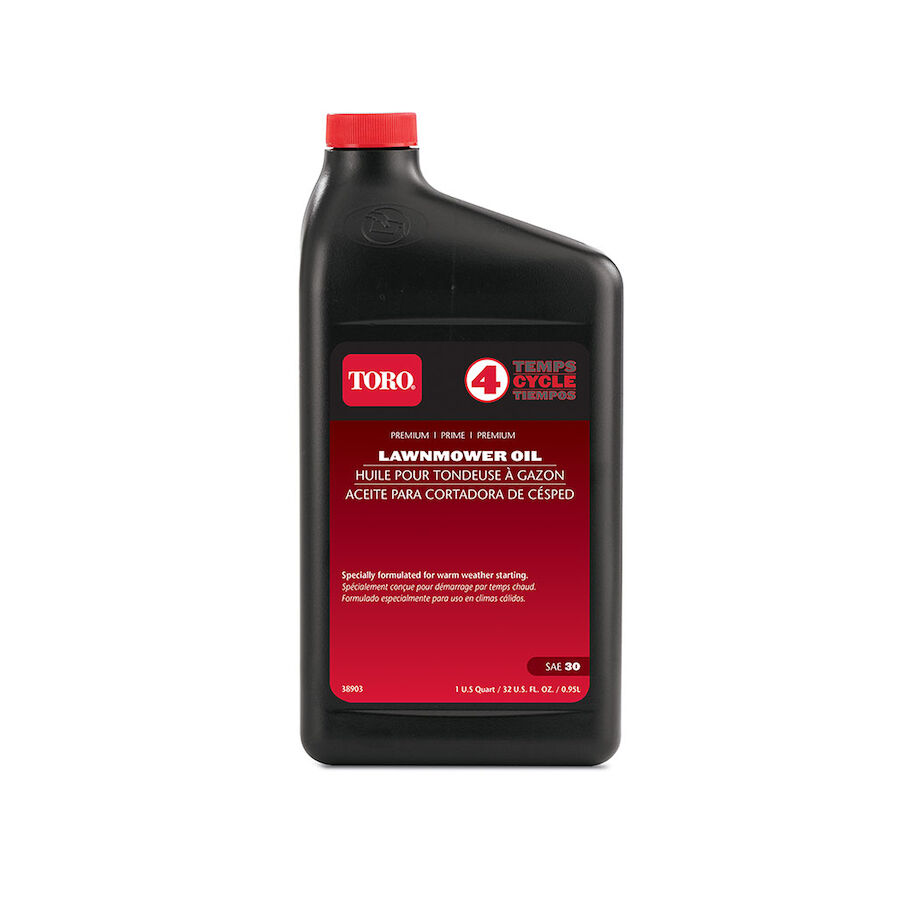
Step-by-step: how to check and change your mower oil
Tools and supplies
- Correct oil grade and amount.
- New oil filter if your engine has one.
- Drain pan, rags, funnel.
- Socket or wrench for the drain plug, or a suction pump if no drain plug.
- Gloves and safety glasses.
Steps to check the oil
- Place the mower on level ground.
- Wipe and remove the dipstick.
- Reinsert, remove, and read. The level should be between the marks.
- Top up with the right oil if needed. Go slow.
Steps to change the oil
- Run the engine for 1 to 2 minutes to warm the oil.
- Shut off and disconnect the spark plug wire.
- Drain the oil through the plug, or tip the mower away from the air filter, or use a suction pump.
- Replace the drain plug and gasket if needed. Snug, not gorilla tight.
- Replace the filter if equipped. Oil the new filter’s gasket and hand-tighten.
- Refill with the right amount of the right grade.
- Start, check for leaks, then recheck the level and top up.
Dispose of used oil at a recycling center. Never pour it on the ground. This step matters as much as picking what type of oil for my lawn mower, because it protects both your engine and your yard.
Common mistakes and how to avoid them
- Using 2-cycle oil in a 4-cycle mower: This will not lubricate. Only use straight motor oil in the crankcase.
- The wrong viscosity for the weather: Thick oil in cold starts causes wear. Thin oil in heat loses pressure.
- Overfilling the crankcase: This causes smoke and leaks. Fill to the mark only.
- Tipping the mower the wrong way: Oil floods the air filter. Tip the carburetor side up.
- Skipping oil changes: Small sumps get dirty fast. Change on time.
- Additive cocktails: Most are not needed. Good oil with the right API rating is enough.
I have seen more engine failures from overfill and dirty oil than from brand choice. When in doubt about what type of oil for my lawn mower, choose a known grade and change it.
Troubleshooting oil-related problems
Blue or white smoke
- Likely oil overfill, wrong tip direction, worn rings, or a saturated air filter. Correct the oil level and replace the filter. If smoke stays, test compression.
Fuel smell in oil or rising oil level
- Fuel is leaking past the carb needle. Do not run the engine. Fix the carb and change the oil.
Milky oil
- Water or coolant in oil. Most mowers are air-cooled, so it is likely water from storage. Change the oil and keep the unit dry.
Fast oil use
- Thin oil in heat, plugged breather, or worn engine. Try the next higher approved viscosity. Then inspect the breather and compression.
These checks solve most cases I see in the shop. They also guide the choice of what type of oil for my lawn mower for the next fill.
Real-world tips from years of mower maintenance
I switched a few commercial zero-turns to 15W-50 synthetic after hot days caused low oil pressure alarms. Those mowers ran cooler and held pressure steady the whole shift. Oil use dropped too.
For home mowers, 5W-30 synthetic is my go-to for spring and fall. Starts are easy. Owners who used to ask what type of oil for my lawn mower now keep a quart on the shelf and top up after three mows.
Simple habits help
- Keep a log of hours and oil added.
- Buy oil in sizes that match your sump to prevent overfill.
- Replace the air filter on time. A clean filter protects your oil.
- Store the mower level. Check oil before the first mow of the week.
When you match oil to weather and workload, most small engines last for years with only basic care.
Frequently Asked Questions of what type of oil for my lawn mower
Can I use 10W-30 in my lawn mower?
Yes, 10W-30 works in most mowers across a wide temperature range. Check your manual for API grade and any climate notes.
Will synthetic oil void my warranty?
No, not if it meets the API rating your manual lists. Many brands approve synthetic 5W-30 or 10W-30 for all temps.
How often should I change mower oil?
Change after the first 5 hours on a new engine, then every 25 to 50 hours or once per season. Dusty, hot use may need shorter intervals.
How do I know what type of oil for my lawn mower if I lost the manual?
Use 5W-30 synthetic for a safe, all-season choice in most 4-cycle mowers. For hot, heavy-duty riding mowers or zero-turns, 15W-50 synthetic is often approved.
Can I mix synthetic and conventional oil?
Yes, they are compatible if the viscosity and API grade match. Still, pick one type and stick with it for the next full change.
Is SAE 30 still a good choice?
Yes, in warm weather above 50°F for many walk-behind mowers. It is simple, stable, and proven.
What happens if I overfill the oil?
The engine may smoke, foul the plug, and leak. Drain to the proper level and replace a soaked air filter.
Conclusion
The right oil is the easiest way to add years to your mower. Choose a grade that fits your weather and work, keep it clean, and watch the level. If you ever ask yourself what type of oil for my lawn mower, start with 5W-30 synthetic for most conditions, SAE 30 for steady warm weather, and 15W-50 for hot, heavy use.
Take five minutes today to check your dipstick and plan your next oil change. Your mower will start easier, run cooler, and last longer. Want more practical tips like this? Subscribe, share your setup in the comments, or ask me a question about your exact mower and climate.