

Use fresh, unleaded 87+ octane gasoline with up to 10% ethanol (E10); avoid E15/E85.
If you have wondered what type of gas for Toro lawn mower is best, you’re in the right place. I’ve serviced and used Toro mowers for years, from compact walk-behinds to zero-turns. In this guide, I explain exactly what type of gas for Toro lawn mower you should use, why quality matters, and how to avoid fuel problems. You’ll learn the science behind octane and ethanol, clear rules for each model, and simple habits that keep your mower starting on the first pull.

What type of gas does a Toro lawn mower need?
Most Toro 4-cycle lawn mowers run best on fresh, clean, unleaded gasoline with a minimum 87 octane. That is regular pump gas. You can use up to 10% ethanol (E10). Do not use E15 or E85.
If you own an older 2-cycle Toro mower, it uses a gas-oil mix. Most need a 50:1 ratio. Always check the decal or the owner’s manual.
Use fuel within 30 days for best performance. If you must store it longer, add fuel stabilizer at purchase time. Avoid gasoline with methanol. Keep water and dirt out of the tank.
I often see the same issue in my shop. A mower that won’t start after winter almost always has old gas. Change the fuel, add stabilizer, and the mower often runs again. Knowing what type of gas for Toro lawn mower and how long to keep it saves time and money.

Octane, ethanol, and fuel quality explained
Octane is a measure of a fuel’s resistance to knock. Small engines are low compression, so 87 octane works well. Higher octane (89–93) is not required. It can help if you hear light pinging under load, but it will not add power on its own.
Ethanol is alcohol made from plants. E10 is common at pumps. It absorbs moisture and can separate in storage. That leads to hard starts, rust, and white deposits in the carburetor. This is why fresh fuel is key. Ethanol-free gas stores better and runs cleaner in small engines.
Fuel quality matters more than brand names. Buy from a busy station so the gas is fresh. Store fuel in an approved, clean, sealed container. Label the date. When in doubt, drain old gas and start fresh.

Fuel recommendations by Toro model and engine type
The basics are the same, but small details vary by mower and engine. Use these simple rules and check your manual.
- Toro walk-behind mowers (Recycler, Super Recycler, Personal Pace). Use 87+ octane, up to E10. These are 4-cycle engines. Do not mix oil in the gas. Use SAE 30 or 10W-30 engine oil in the crankcase.
- Toro TimeMaster 30-inch (many use Briggs & Stratton engines). Use 87+ octane, up to E10. Fresh fuel and stabilizer help with seasonal use.
- Toro TimeCutter and TITAN zero-turns (Toro, Kawasaki, Kohler engines). Use 87+ octane, up to E10. 89 octane is optional if you notice knock under heavy load. EFI models follow the same fuel type.
- Older 2-cycle Toro mowers. Use a 50:1 gasoline-to-oil mix unless the decal states otherwise. Use high-quality 2-cycle oil made for air-cooled engines. Do not guess the ratio.
- Commercial equipment. Follow the engine manufacturer’s label. Most still call for 87+ octane, E10 max, no E15/E85, and no methanol.
If you are unsure what type of gas for Toro lawn mower in your garage, match the engine label first. It only takes a minute and can prevent carburetor damage.
Storage and seasonal fuel management
Fuel turns stale faster than most people think. Ethanol blends can start to go bad in 30 days. Simple habits prevent problems.
- Add stabilizer to fresh gas as soon as you buy it.
- Run the engine for 5 minutes to pull treated fuel through the carb.
- For off-season storage, either run the tank dry or store a near-full tank with stabilizer. In humid areas, I prefer draining ethanol fuel to avoid water.
- Keep containers tightly sealed and out of the sun.
- Replace fuel each spring if you skipped stabilizer.
I learned this the hard way. I once stored a Toro with a half tank of E10 and no stabilizer. By spring, the mower surged and stalled. A quick drain and refill fixed it. Since then, I treat fuel on day one.

Additives, stabilizers, and alternatives
Fuel stabilizer is cheap insurance. It keeps gas fresh for up to a year and helps prevent gum and varnish. Add it to your can, not just the tank. Use the correct dose.
Carb cleaners can help a rough idle, but they won’t fix severe varnish. If your mower only runs on choke, the main jet is likely clogged and needs cleaning.
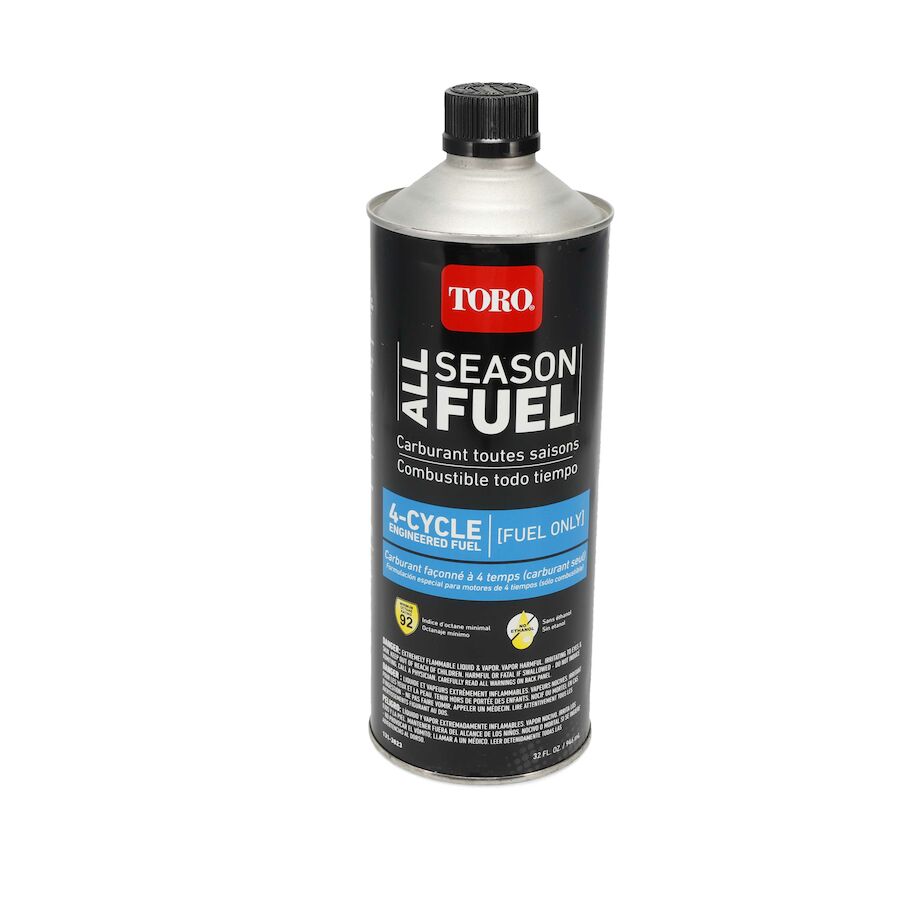
Premixed, ethanol-free canned fuel is another option. It costs more, but it stores well and runs very clean. I use it for my backup can and for end-of-season storage runs.
Avoid octane boosters and “miracle” additives. They rarely solve the real issue, which is stale or wet fuel.
Troubleshooting fuel-related issues
If your Toro is hard to start, here is how to narrow it down:
- Won’t start at all. Check for old gas. Drain and add fresh fuel. Inspect the spark plug and air filter.
- Starts, then stalls. Likely water or phase separation. Drain the tank and bowl. Refill with fresh, stabilized gas.
- Surging idle. Common with a partially clogged jet. Run a tank with fresh fuel and a small dose of carb cleaner. If it still surges, clean the carb.
- Backfiring or pinging. Verify you used 87+ octane. If knock continues under load, try 89 octane or ethanol-free fuel.
These steps fix most issues I see after winter. Clean fuel and a clear jet make a huge difference.

Maintenance checklist for the fuel system
A simple schedule keeps your mower reliable all season.
- Every fill: Use fresh 87+ octane, up to E10. Add stabilizer to the gas can.
- Monthly: Inspect the fuel filter if equipped. Check the cap seal and vent.
- Every 25 hours: Clean or replace the air filter. Check the spark plug.
- Season end: Drain ethanol fuel or fill with stabilized, ethanol-free gas. Run for 5 minutes.
- Every year: Replace the fuel filter (if external). Inspect fuel lines for cracks.
Follow this list, and you will not need to ask what type of gas for Toro lawn mower again. Your setup will be dialed in.

Cost and eco tips for fueling your Toro
Small changes save money and reduce waste.
- Buy only what you can use in 30 days. Smaller cans stay fresher.
- Choose busy stations for fresher gasoline. Ask if they sell ethanol-free fuel.
- Prevent spills with a modern spout and a funnel. Wipe the cap and tank neck.
- Store fuel off concrete floors and away from heat.
- Dispose of old gas at a local hazardous waste site. Do not pour it on the ground.
These habits make your mower happier and your yard work smoother.

Frequently Asked Questions of what type of gas for toro lawn mower
Can I use premium gas in my Toro mower?
Yes, but it is not required. Premium won’t add power in most small engines. If you hear light knock under load, premium can help.
Is ethanol-free gasoline better for Toro mowers?
Yes, especially for storage or low-use mowers. It resists moisture and stores longer, which helps prevent carb issues.
Can I use E15 or E85 in a Toro lawn mower?
No. Small engines are not approved for E15 or E85. Use up to 10% ethanol (E10) only.
How long can gasoline sit in my Toro mower?
Aim for 30 days without stabilizer. With stabilizer, many fuels stay good for up to 12 months.
What is the right gas-oil mix for older 2-cycle Toro mowers?
Most use a 50:1 mix of gasoline and 2-cycle oil. Check the decal or manual to confirm the exact ratio.
Do I need to add oil to the gas in a 4-cycle Toro mower?
No. 4-cycle engines have separate engine oil in the crankcase. Do not mix oil with the gasoline.
Will fuel stabilizer fix old gas?
Stabilizer prevents gas from going bad; it does not restore stale gas. If the fuel is old, drain and replace it.
Conclusion
Choose fresh, unleaded 87+ octane gas with up to 10% ethanol, and your Toro will start easy and cut clean. Avoid E15 and E85, add stabilizer to fresh fuel, and follow a simple storage routine. If you wondered what type of gas for Toro lawn mower is best, now you have a clear plan you can trust.
Put these tips to work on your next fill-up. Label your can, add stabilizer, and buy only what you’ll use. Want more smart yard tips? Subscribe for updates, share this guide with a neighbor, or drop your questions in the comments.