

Choose based on yard size, terrain, power source, and your maintenance habits.
If you have ever asked what type of lawn mower do i need, you are in the right place. I have tested mowers on tiny city lots and on rough acreage. I will help you match your yard and your routine to the right machine. This guide breaks down each choice in plain terms. Read on to make a smart, confident pick that fits your life and lawn.

Size and Terrain: Start With Your Yard
When people ask what type of lawn mower do i need, I start with two facts: lawn size and terrain. These shape all other choices. A mower that fits a small flat lot will struggle on a hilly half acre.
Use these quick yard rules:
- Up to 1/8 acre or 5,000 sq ft. A reel, corded electric, or small battery push mower works well.
- 1/8 to 1/3 acre. Go battery or gas push or self-propelled. Look for a 20 to 22 inch deck.
- 1/3 to 3/4 acre. Choose self-propelled gas or a 56V class battery. Or consider a compact rider.
- Over 3/4 acre. Pick a lawn tractor or zero-turn mower for speed.
- Slopes over 15 degrees. Choose self-propelled with strong traction. Use a walk-behind on steep areas for safety.
Match terrain to features:
- Flat lawns. Push mowers save cost and weight.
- Hilly lawns. Rear-wheel or all-wheel drive helps on climbs.
- Rough or bumpy lawns. Larger wheels and a steel deck hold up better.
- Many trees and beds. A compact deck and tight turning help.
Power Source: Gas, Battery, Corded, or Reel
The core of what type of lawn mower do i need is power. Each type trades power, noise, and upkeep.
Gas mowers:
- Best for thick grass and tall growth.
- Run long with quick refuel.
- Need oil changes and tune-ups.
- Louder and higher emissions.
Battery mowers:
- Quiet and low upkeep.
- Great for small to medium lawns.
- Runtime depends on amp-hours and grass load.
- Spare batteries solve range anxiety.
Corded electric mowers:
- Light and simple.
- Unlimited runtime near outlets.
- Cord management is a skill.
- Best for small lots.
Manual reel mowers:
- Lowest cost to run.
- Very quiet and clean cut.
- Best on short, well-kept grass.
- Struggles with tall or weedy lawns.
My take from years of use:
- If you want set-and-go ease and less noise, a battery mower fits most yards up to 1/3 acre.
- If you battle fast growth or mow less often, gas power still rules.
- If your lawn is pocket-sized and flat, a corded or reel mower can be perfect.

Mower Formats: Push, Self-Propelled, Riding, and Zero-Turn
People often ask what type of lawn mower do i need for speed and comfort. Format decides both.
Push walk-behind:
- Light, low cost, and simple.
- Best on flat, small lawns.
- More effort on slopes.
Self-propelled walk-behind:
- Rear-wheel drive grips on hills.
- Front-wheel drive turns easy on flat ground.
- All-wheel drive helps on mixed terrain.
- Ideal for 1/8 to 3/4 acre.
Lawn tractor:
- Good on larger yards with attachments.
- Slower turning around beds and trees.
- Better on gentle slopes than zero-turns.
Zero-turn mower (ZTR):
- Fast and agile around obstacles.
- Great for large, flat lawns with many features.
- Learning curve for control. Extra care on slopes.
Stand-on or wide-area walk-behind:
- Pro level control and sight lines.
- Shines on complex properties.
- Higher price, but durable.

Cut Quality: Deck, Blades, and Height
Cut quality matters when asking what type of lawn mower do i need. A clean cut keeps grass healthy.
Deck width:
- 14 to 18 inches. Small lots and tight spaces.
- 20 to 22 inches. Most walk-behind needs.
- 42 to 60 inches. Riding and zero-turn for big yards.
Deck design:
- Stamped decks. Lighter and cheaper. Good airflow for mulching.
- Fabricated decks. Heavier and stronger. Better for rough use.
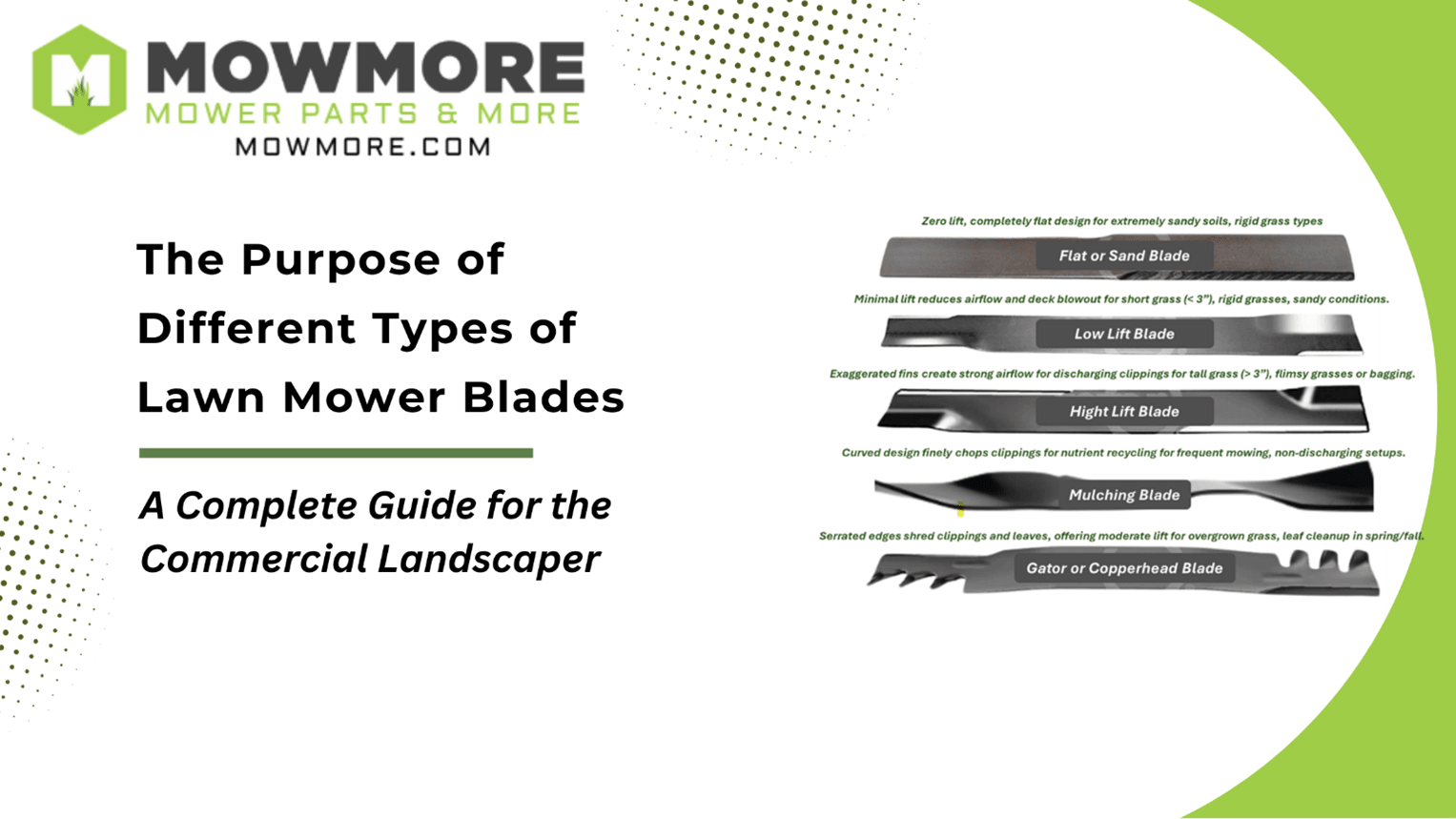
Blade type:
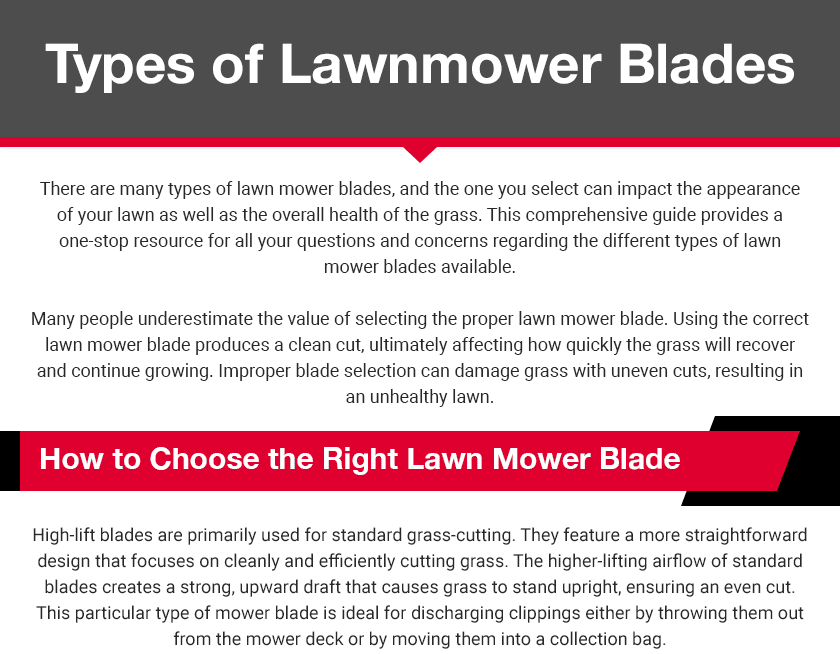
- Standard high-lift. Good for bagging and a clean vacuum.
- Mulching. More fins and curves to shred clippings.
- Low-lift. Good for sandy areas to reduce dust.
Cut height:
- Cool-season grass. Aim for 2.5 to 3.5 inches.
- Warm-season grass. Often 1 to 2.5 inches, variety matters.
- Follow the one-third rule. Never cut more than one-third of blade length in a single mow.
Clippings: Mulch, Bag, or Side Discharge
A simple way to answer what type of lawn mower do i need is to ask where clippings go.
Mulching:
- Returns fine clippings to the soil.
- Helps soil hold water and nutrients.
- Needs sharp blades and a closed deck.
Bagging:
- Best for spring surge, weeds, or tidy look.
- Heavier and slower from emptying.
- Plan for disposal or compost.
Side discharge:
- Fast on tall or wet grass.
- Best when you mow often enough.
- May need a cleanup pass.
Tip from my routine:
- I mulch most weeks to feed the lawn.
- I bag during peak spring growth and before big events.
- I use discharge in late fall when growth is uneven.
Noise, Emissions, Maintenance, and Total Cost
These hidden factors often decide what type of lawn mower do i need. Think beyond the sticker price.
Noise:
- Gas walk-behinds often exceed safe hearing levels.
- Battery and corded are much quieter.
- Use hearing protection with gas.
Emissions and neighbors:
- Gas mowers emit more pollutants per hour than cars in some cases.
- Electric cuts that to near zero at the point of use.
- Quiet tools help keep the peace.
Maintenance:
- Gas. Oil, air filters, spark plugs, fuel care.
- Battery. Keep packs cool and charged. Sharpen blades.
- Corded and reel. Minimal daily care. Keep blades sharp.
Cost to own:
- Gas. Lower purchase price, higher fuel and maintenance.
- Battery. Higher price upfront, low running costs.
- Corded and reel. Lowest ongoing cost.
Safety and Ergonomics
Safety shapes what type of lawn mower do i need, especially with kids or pets around.
Key safety features:
- Blade brake clutch stops the blade without killing the engine.
- Bail control that feels natural in your hand.
- Solid deck guards and deflectors.
- Reliable electric start to avoid hard yanks.
Ergonomics:
- Adjustable handle height saves your back.
- Light, balanced decks turn easier.
- Self-propel speeds that match your pace.
Use best practices:
- Walk slopes sideways with a walk-behind.
- Mow up and down slopes with a rider.
- Keep shoes with traction and eye and ear protection handy.

Decision Scenarios: Quick Picks You Can Trust
Here is how I answer what type of lawn mower do i need in real life calls and texts.
Small city lot, under 3,000 sq ft:
- 36V to 56V battery push mower, 18 to 20 inch deck.
- Reel mower if you cut twice a week and like the workout.
Suburban 1/4 acre with light slope:
- 56V battery self-propelled, 21 inch deck, dual batteries.
- Gas self-propelled if grass grows fast or gets wet often.
Half acre with many beds and trees:
- Self-propelled high torque battery or gas, rear-wheel drive.
- Consider a compact rider if time is tight.
Large, flat 1 acre:
- Zero-turn 42 to 48 inch deck for speed and neat turns.
- Lawn tractor if you also need to tow or use attachments.
Steep or uneven terrain:
- Walk-behind rear-wheel or all-wheel drive for traction.
- Avoid zero-turns on steep slopes.
Overgrown or weedy lawn rehab:
- Gas self-propelled with high-lift blade for the first passes.
- Then move to mulching once height is in check.

Source: mowrator.com
Budget Tiers and Smart Specs
Budget helps define what type of lawn mower do i need, but focus on value, not only price.
Entry tier:
- Best for small, flat lawns.
- Corded or compact battery push mowers.
- Look for steel or strong polymer decks and a 3-year warranty.
Mid tier:
- Fits most suburban yards.
- 56V battery or mid-size gas self-propelled.
- 21 inch deck, dual battery ports, easy height lever.
Prosumers and acreage:
- Zero-turn or tractor with a 42 to 54 inch deck.
- Suspension seats and serviceable spindles help long term.
- Strong dealer support pays off.
Must-have specs I trust:
- Brushless motors for battery units.
- Ball-bearing wheels and sturdy handles.
- Washout port or easy deck access for cleaning.
- Clear battery fuel gauge and fast chargers.
Mistakes to Avoid and Pro Tips From the Field
Learning what type of lawn mower do i need came from years of cuts, stalls, and wins.
Common mistakes:
- Buying too much mower for a tiny yard. Big decks fight tight spaces.
- Ignoring deck height range. Some mowers will not cut high enough in summer.
- Skipping spare batteries. Range anxiety kills the joy of battery mowing.
- Forgetting storage space. Folding handles save room in a small garage.
Pro tips:
- Sharpen or replace blades every 20 to 25 hours for clean cuts.
- Mow when grass is dry to reduce clumping and strain.
- Set a higher cut in summer heat to protect roots.
- Keep a cheap torque wrench to swap blades safely.
- If your battery mower slows, check for packed clippings under the deck first.
A small story:
- I once tried to tame a half acre with a 14 inch reel. I gave up by week two. I swapped to a 21 inch self-propelled battery unit. My time dropped by two thirds. The lesson was clear. Match the tool to the task first, not to a dream of perfect quiet or a bargain.
Frequently Asked Questions of what type of lawn mower do i need
How do I measure my lawn to pick the right mower?
Use a mapping app or walk it with a tape and note obstacles. Size and complexity guide deck width and format.
Are battery mowers powerful enough for thick grass?
Yes for most yards up to 1/3 acre if you use sharp blades and high-torque modes. Keep a spare battery for peak growth.
What is the best mower for hills?
Choose a rear-wheel or all-wheel drive self-propelled walk-behind. Use a rider only on gentle slopes and follow safe angles.
Should I mulch or bag my clippings?
Mulch most of the time to return nutrients and save bags. Bag when the lawn is wet, tall, or weedy.
How often should I sharpen mower blades?
Every 20 to 25 hours of mowing or when you see torn tips. Dull blades stress grass and the motor.
Do I need a zero-turn or will a tractor do?
Zero-turns win for speed and tight turns on large, flat lawns. Tractors are better if you tow or use attachments.
What deck size should I choose?
Pick 20 to 22 inches for typical walk-behind use. Go 42 inches or more for riders on larger properties.
Conclusion
The right answer to what type of lawn mower do i need starts with yard size and terrain, then power source, format, and care. Pick a deck that fits your space. Choose features that match your habits. Focus on a clean cut, safe use, and the total cost to own.
Take the next step today. Walk your lawn, note the slope and features, and list what you value most. Use the scenarios in this guide to narrow it to two picks. Then try them in person if you can. Ready to go deeper? Subscribe for more hands-on lawn care guides, or leave a comment with your yard details for a custom tip.