

Most lawn mowers use 12V lead-acid U1 batteries; newer cordless mowers use lithium-ion packs.
If you want a clear, expert answer to what type of battery is a lawn mower battery, you are in the right place. I maintain homeowner and commercial mowers, and I have tested dozens of batteries in the field. Below, I explain which type fits your mower, how to tell at a glance, and how to charge and maintain it for a longer life. By the end, you will know exactly what type of battery is a lawn mower battery, and how to choose the best one for your needs.
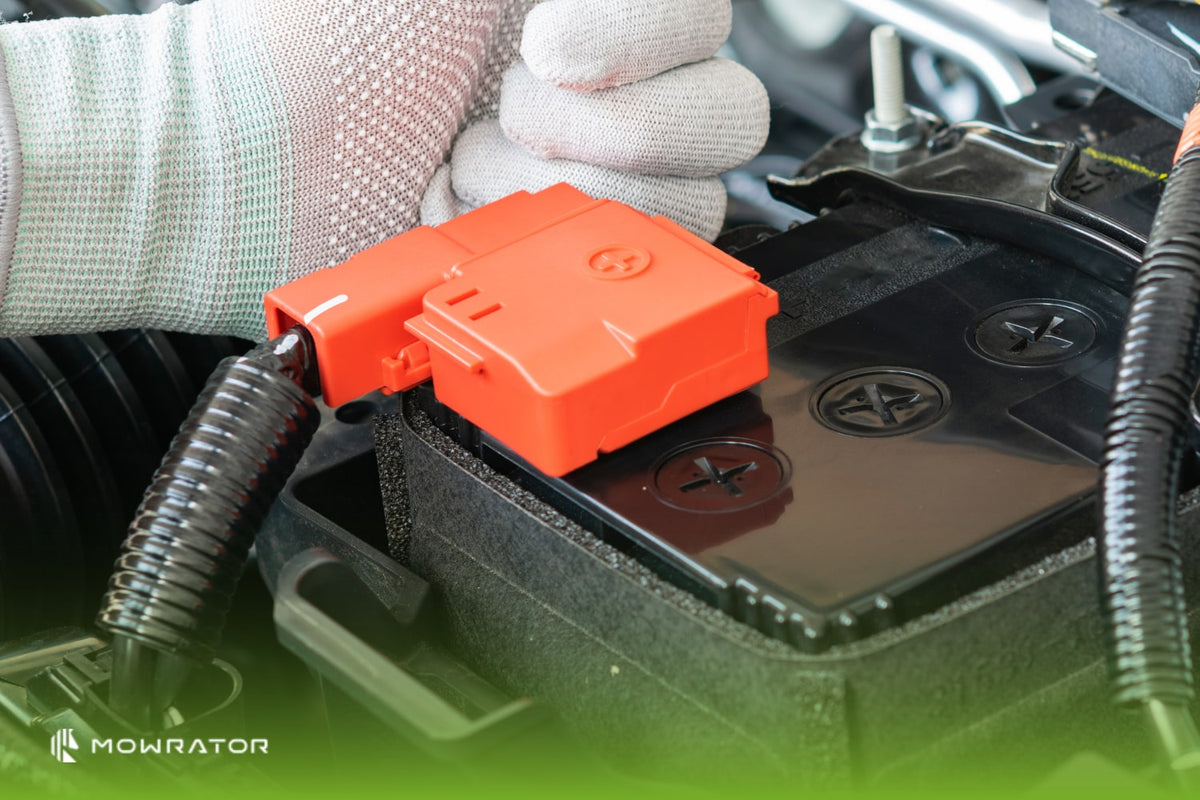
Source: mowrator.com
Understanding what type of battery is a lawn mower battery
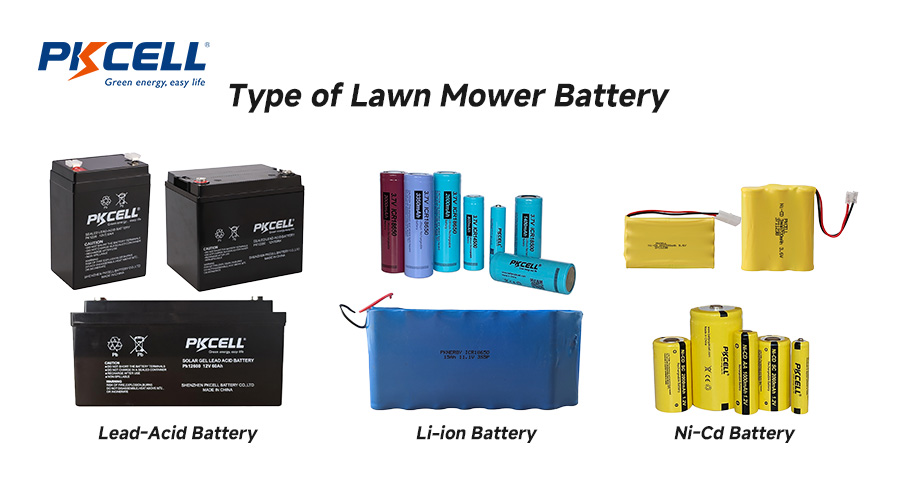
If you search what type of battery is a lawn mower battery, you will see two main families: lead-acid and lithium-ion. Gas riding mowers and many walk-behind models with electric start use 12V lead-acid. Cordless electric push mowers use removable lithium-ion packs with a built-in battery management system.
Here is how the main types break down:
- Flooded lead-acid. Traditional wet cell. Needs venting and sometimes water top-ups. Common in older or budget lawn tractors.
- AGM lead-acid. Absorbed Glass Mat. Sealed, spill-resistant, and vibration resistant. Great for bumpy yards and modern lawn tractors.
- Gel lead-acid. Sealed gel electrolyte. Less common in mowers. Sensitive to charge voltage.
- Lithium-ion. Found in cordless mowers. Light, fast to charge, and high power. Most use nickel-manganese-cobalt or lithium-ion variants. Some drop-in LiFePO4 U1 replacements exist for tractors, but check charging compatibility.
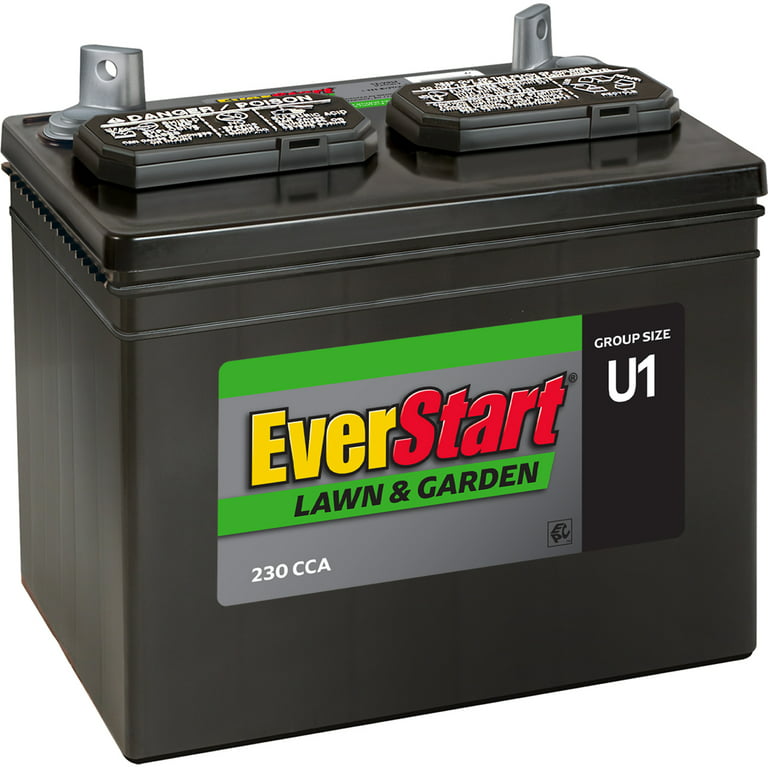
People often ask what type of battery is a lawn mower battery for riding mowers. The simple answer is a 12V lead-acid lawn and garden battery, usually in the U1 or U1R size. For cordless push mowers, the pack is lithium-ion and brand-specific.

How to identify your mower’s battery type
You do not have to guess. Your mower will tell you, if you know where to look.
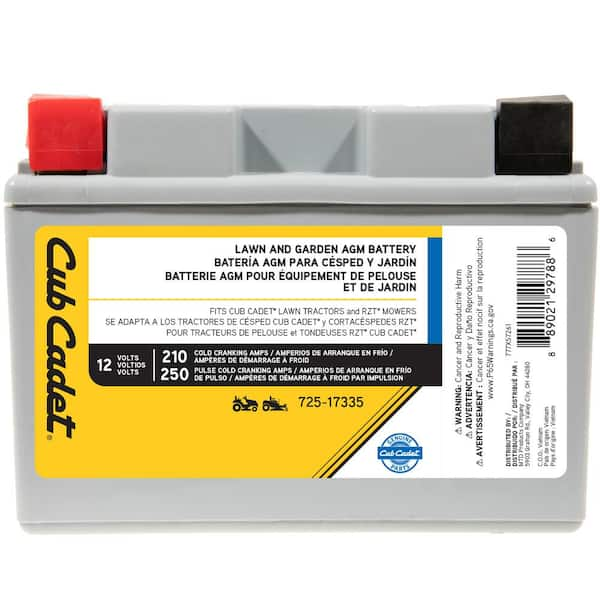
- Check the label. Look for 12V or 6V, SLA, AGM, Flooded, Gel, or Lithium-ion. Cordless packs will list volts like 36V, 40V, 56V, or 60V.
- Look at the shape. Riding mowers use a small rectangular box battery, often labeled U1 or U1R. Cordless mowers use a plastic cartridge pack that slides into a dock.
- Read the manual. It will state voltage, capacity, and recommended chemistry. This settles what type of battery is a lawn mower battery for your exact model.
- Note the terminals. Lawn and garden batteries use small bolt posts or spade tabs. U1R flips the terminal positions compared to U1.
- Use a multimeter. A healthy 12V lead-acid rests near 12.6V. A lithium pack shows its own nominal or max voltage on the label.
If you still wonder what type of battery is a lawn mower battery in your garage, snap a photo of the label and model number before you shop.
Voltage, sizes, and terminals explained
Voltage tells you system type. Size and terminals tell you what will fit.
- Voltage
- 12V lead-acid is standard for riding mowers and electric-start gas mowers.
- 6V shows up on vintage units.
- Lithium-ion cordless systems are labeled 36V, 40V, 56V, or 60V. These are packs with many cells in series and a BMS.
- Sizes
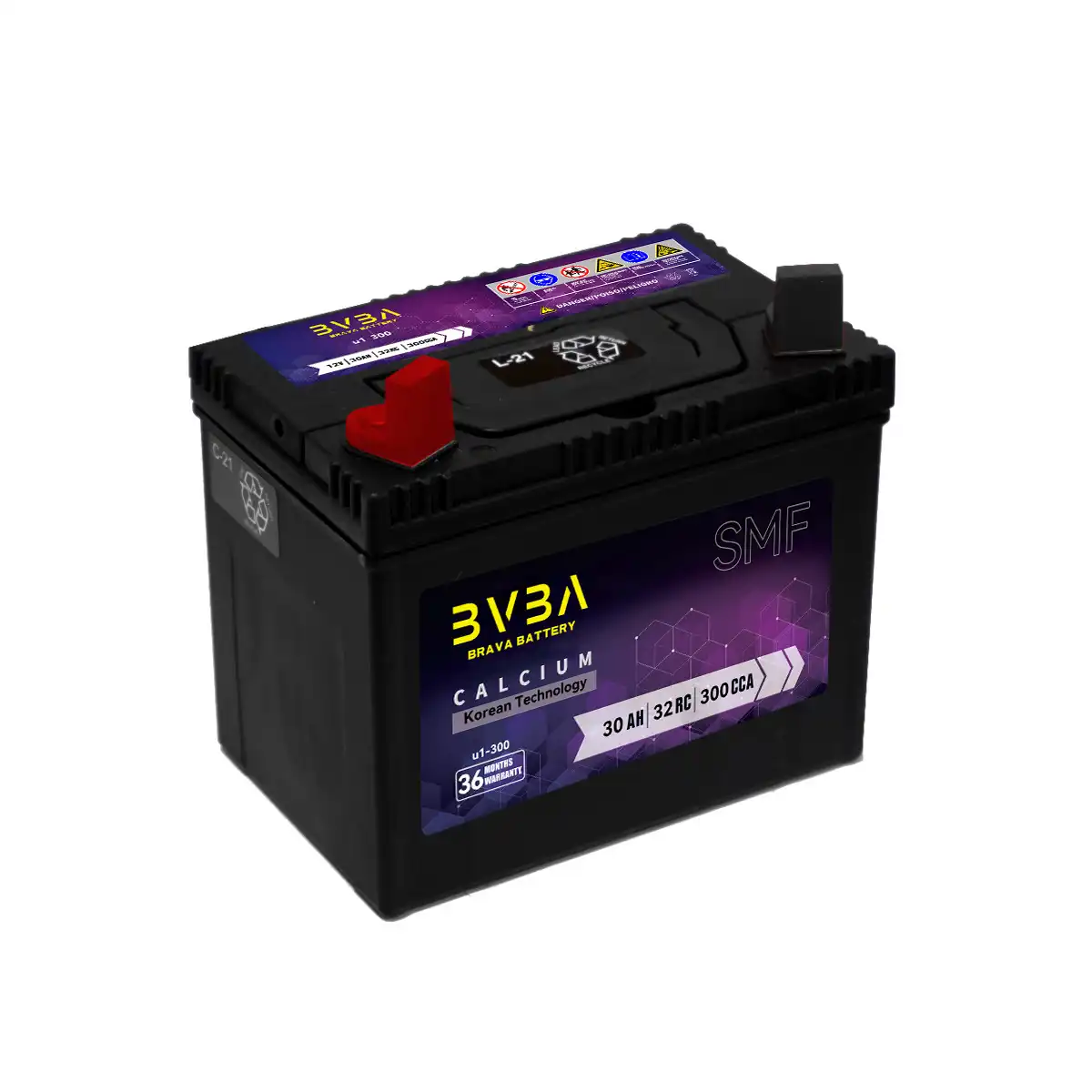
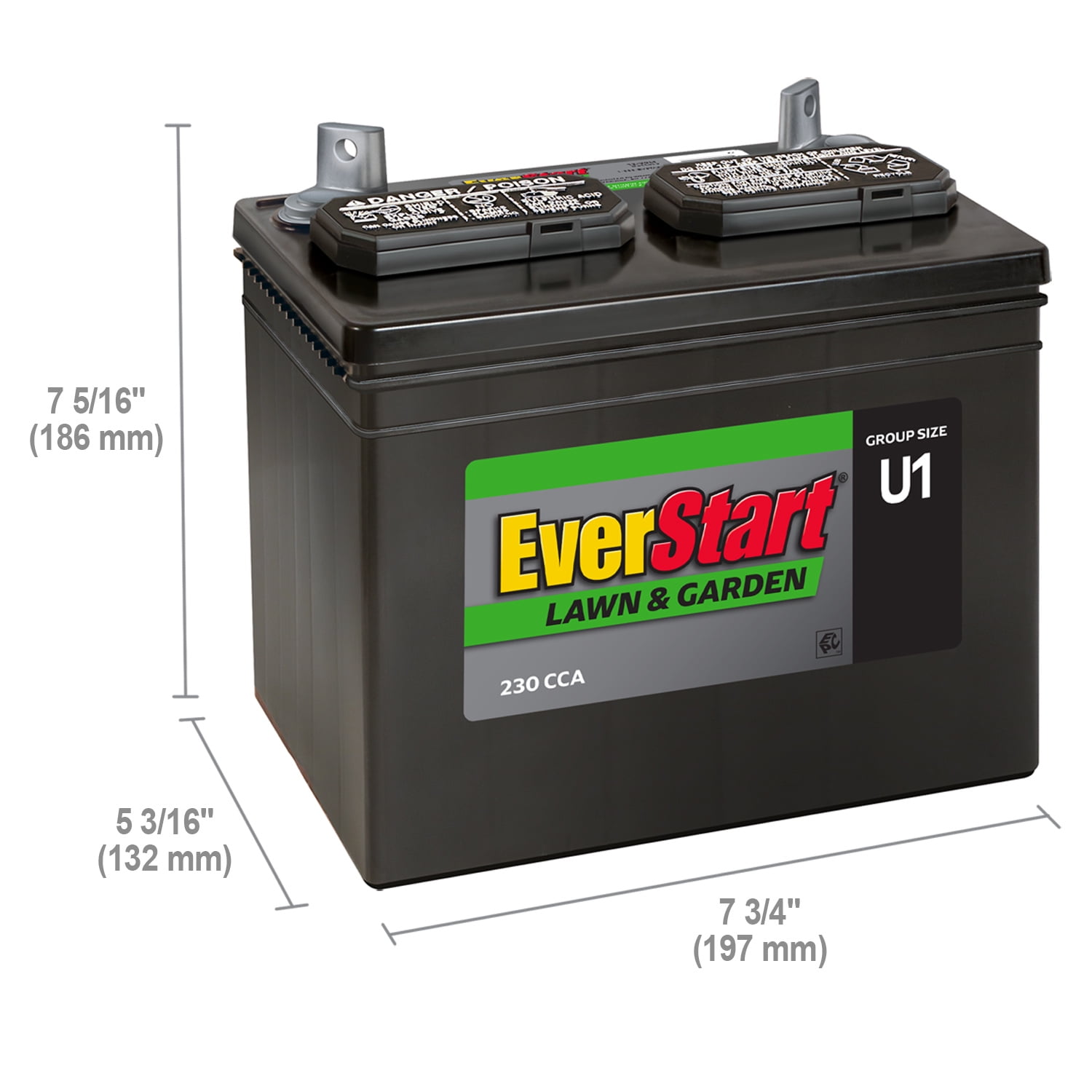
- U1 and U1R are the common lawn and garden sizes for tractors. U1R has reversed terminals.
- Dimensions are compact, so measure your tray and cable reach.
- Ratings
- CCA. Cold Cranking Amps measure starting power for engines.
- Ah. Amp-hours estimate capacity. Lawn and garden batteries often range 10 to 35 Ah.
- Terminals
- Nut and bolt posts are common.
- Some use spade or flag terminals. Match your cable ends.
If your search is what type of battery is a lawn mower battery for a lawn tractor, this section is your roadmap.
Charging and maintenance best practices
The right charger and habits double battery life. The wrong ones cut it short.
- Lead-acid
- Use a smart charger or maintainer. Float at around 13.2 to 13.6V. Bulk charge near 14.4V.
- Do not fast-charge at high current. A rule of thumb is near 10 percent of the Ah rating.
- Store fully charged. Use a maintainer in winter.
- For flooded cells, check water level if serviceable.
- AGM and Gel
- Use an AGM-compatible charger. Keep voltages within spec to avoid drying or gassing.
- Lithium-ion
- Only use the brand charger. The pack’s BMS handles cells.
- Store around half charge for long rests. Keep cool and dry.
- Avoid charging below freezing.
When readers ask what type of battery is a lawn mower battery and how to treat it, I always say this: match the charger to the chemistry, and your battery will thank you.
Pros and cons: picking the right battery for your mower
Here is a quick view of strengths and limits, so you can choose with confidence.
- Flooded lead-acid
- Pros: Low cost. Widely available. Works with basic chargers.
- Cons: Can spill. Needs venting. Shorter life with vibration or neglect.
- AGM lead-acid
- Pros: Sealed. Better vibration resistance. Lower self-discharge.
- Cons: Higher cost than flooded. Needs AGM-safe charging.
- Gel
- Pros: Stable, sealed, and low spill risk.
- Cons: Sensitive to charge voltage. Rare in mower use.
- Lithium-ion
- Pros: Light. Strong power. Fast charging. No sulfation.
- Cons: Higher price. Brand-only packs. Cold charging limits.
If you still wonder what type of battery is a lawn mower battery for low-hassle ownership, AGM is a sweet spot for tractors. For cordless push mowers, stick with the OEM lithium pack.
Troubleshooting and replacement checklist
Before you blame the starter or the carb, rule out a weak battery.
- Symptoms of a failing battery
- Slow cranking. Clicking solenoid. Dim lights.
- Repeated stalls after brief rest.
- Quick tests
- Measure open-circuit voltage after rest. Under 12.2V points to low charge or aging.
- Load test if possible. Watch for big voltage dips.
- Replacement steps
- Confirm what type of battery is a lawn mower battery for your model and measure the tray.
- Match voltage, size, terminal layout, and CCA.
- Clean cable ends. Tighten hardware. Use dielectric grease on terminals.
If the same question still nags you, what type of battery is a lawn mower battery for my year and brand, check the manual or the label inside the battery compartment.
Real-world tips from the workshop
A few lessons I learned after many spring no-start calls.
- Keep it topped up over winter. A small maintainer saves more batteries than any trick I know.
- Upgrade to AGM in bumpy yards. I see fewer cracked plates and fewer callbacks.
- Label your cables before removal. U1 vs U1R flips terminals. A photo beats guesswork.
- If you try a LiFePO4 drop-in U1, confirm your charging system stays in range. Some mower alternators charge hot. Ask the seller for specs.
- Buy once, cry once. Cheap flooded batteries work, but I replace them more often. AGM often pays back in time saved.
Folks often ask me what type of battery is a lawn mower battery that will last longer. My answer: pick AGM for tractors, and use a maintainer. For cordless, buy a second OEM lithium pack and rotate.
Frequently Asked Questions of what type of battery is a lawn mower battery
What type of battery is a lawn mower battery for a riding mower?
Most riding mowers use a 12V lead-acid U1 or U1R lawn and garden battery. Choose the right terminal orientation and match the cold cranking amps.
Can I use a car battery in my mower?
No, it usually will not fit and is heavier than needed. Lawn and garden batteries are built for small trays and vibration in yard machines.
Are lithium-ion drop-in U1 replacements a good idea?
They can work if your charging system matches the voltage limits. Check low temperature charge rules and make sure the BMS supports engine starting.
How long should a mower battery last?
Lead-acid batteries last about 3 to 5 years with good care. Lithium-ion mower packs often last 500 to 1,000 cycles, depending on heat and depth of discharge.
What charger should I use for my mower battery?
Use a smart maintainer for lead-acid, and an AGM-safe model if you have AGM. For cordless lithium packs, only use the charger from the same brand.
How do I know if my battery is bad or just discharged?
Measure voltage after resting. If it drops fast under load or will not hold a charge after proper charging, it is likely failing.
Is 6V ever used in lawn mowers?
Yes, on some older or vintage units. Modern mowers almost always use 12V for engines with electric start.
Conclusion
You now know what type of battery is a lawn mower battery across the board: 12V lead-acid for most tractors and lithium-ion for cordless push mowers. Match voltage, size, and terminals. Use the right charger. Store smart. These simple steps prevent no-start days and extend battery life.
Act now. Check your label, measure your tray, and set up a maintainer before the next season. Want more guides like this? Subscribe, share your mower model in the comments, and I will help you pick the perfect battery.