

Stop mowing after growth slows below 0.5 inch weekly and soil stays below 50°F.
If you have wondered when should i stop mowing my lawn in the fall, you are in the right place. I have managed home lawns and client sites across different climates, and I know the small details that make fall care work. This guide explains the science, the cues to watch, and the steps I use to protect turf through winter. Read on to plan your last cuts with confidence and avoid costly spring problems.
Why timing matters for your last mow
A correct last mow prevents disease, matting, and vole damage. It also keeps crowns safe from frost and wind. The goal is simple. Stop when growth truly ends and the grass sits at a safe height for winter.
Many homeowners ask, when should i stop mowing my lawn in the fall? The answer depends on grass type, local weather, soil temperature, and day length. Research from university turf programs shows growth slows fast once soil dips near 50°F. That is the real trigger, not the calendar.
The short answer by climate and region
Use these regional cues as a starting point. Always adjust to your lawn’s growth rate and soil temperature.
- Upper Midwest and Northeast: Often stop between late October and mid-November, a week or two after the first hard frost when growth stalls.
- Pacific Northwest: Often stop in late November or early December unless a warm spell keeps cool-season grasses growing.
- Mid-Atlantic: Often stop by mid- to late November, but watch fall warm-ups that extend growth.
- High Plains and Rockies: Often stop after the first sustained freeze, usually late October to early November at lower elevations.
- Southeast with warm-season turf: Often stop in late October to mid-November when nights drop into the 40s and the turf goes dormant.
- Gulf Coast and Mediterranean climates: Mowing may continue into winter if growth persists, but intervals stretch out.
To decide when should i stop mowing my lawn in the fall in your area, pair these cues with soil readings. If you still wonder when should i stop mowing my lawn in the fall after a warm week, recheck soil temps the next morning. Growth, not dates, makes the call.
How grass type changes your timing
Cool-season grasses include Kentucky bluegrass, perennial ryegrass, and tall fescue. They often have a fall surge, then taper off as soils cool. They keep some color and slow growth near 45–50°F soil temperature. Warm-season grasses include bermuda, zoysia, centipede, and St. Augustine. They shift to dormancy as day length drops and nights cool, often long before soil hits 50°F.
If you still ask, when should i stop mowing my lawn in the fall, start by naming your grass. Cool-season lawns can need two or three lighter November cuts in many regions. Warm-season lawns can stop earlier once blades lose color and growth stalls.
Ideal mowing height for your final cuts
Short enough to prevent matting. Tall enough to protect crowns. That is the balance. Here are reliable ranges I use:
- Cool-season turf: Finish near 2.5 to 3 inches.
- Bermuda and zoysia: Finish near 1 to 1.5 inches for reel, 1.5 to 2 inches for rotary.
- St. Augustine and centipede: Finish near 2.5 to 3 inches. Do not scalp.
Never remove more than one-third of the blade at any cut. If your lawn is tall, make two light passes a few days apart. When should i stop mowing my lawn in the fall is tied to height and growth rate, not the last leaf drop.

Clear signs it is time to stop mowing
Use these field cues. They are simple and accurate.
- Weekly growth is under a half inch across the yard.
- Soil temperature at 3 inches stays near or below 50°F for several days.
- The lawn holds height for a week without looking shaggy.
- Warm-season turf shows true dormancy. Color fades and growth stops.
- Extended wet, cold weather sets in. Cutting now risks ruts and disease.
If you meet two or more of these cues, the last cut is near. This helps answer when should i stop mowing my lawn in the fall with confidence.
:max_bytes(150000):strip_icc()/GettyImages-1249397624-c8438d773e6840d09c98a277c0057e14.jpg)
A step-by-step plan for your final three mows
I use a simple three-mow taper to finish the season well. It reduces shock and keeps the canopy healthy.
- Three mows left: Maintain your normal height. Keep blades sharp. Mulch mow to recycle nutrients.
- Two mows left: Drop the deck by a quarter inch. Do this only if the lawn is dry.
- Last mow: Set the deck to your target winter height for your grass type. Make a clean, slow pass.
If rain or early snow interrupts the plan, do not force a cut on wet soil. When should i stop mowing my lawn in the fall is still based on growth and safe conditions.

Leaves, moisture, and disease risks
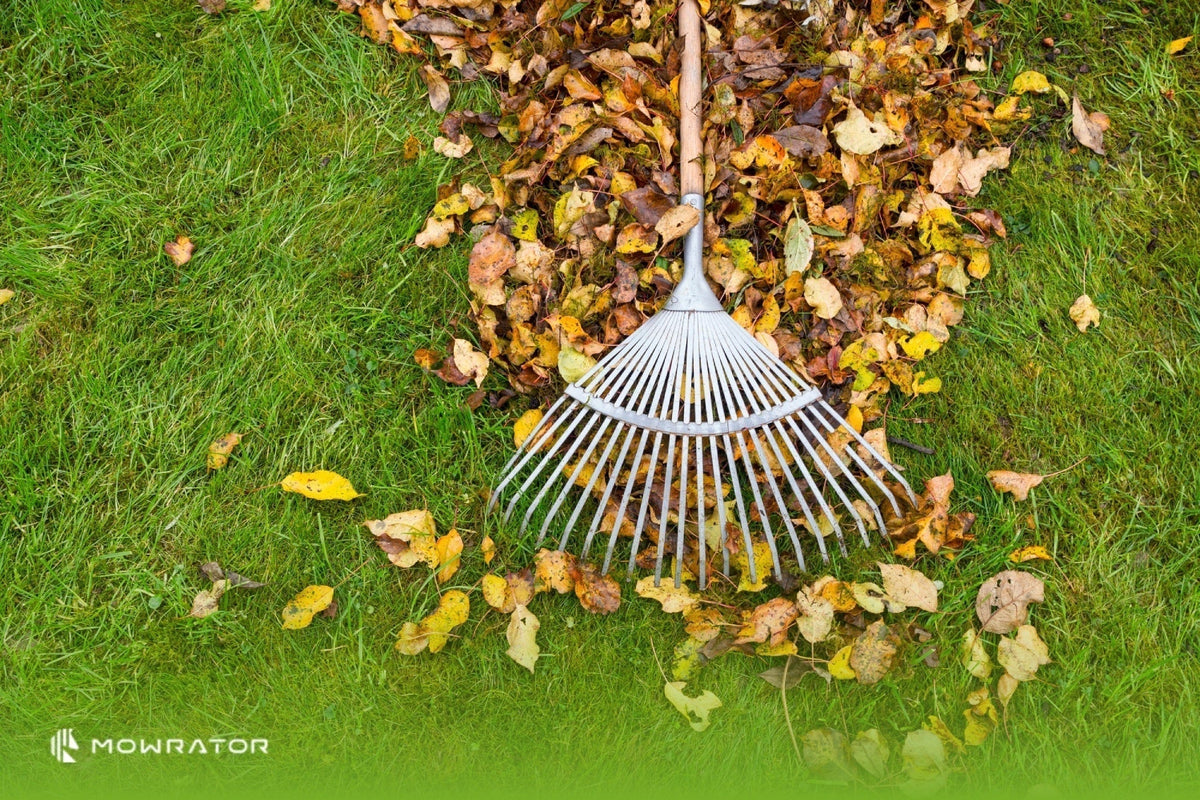
A thick leaf layer can smother grass. It traps moisture and invites snow mold. Light leaf fall is great mulch. Heavy leaf fall is a problem.
- Mulch small amounts into the canopy during dry weather.
- Collect or move heavy leaf piles off the turf fast.
- Avoid late cuts on wet grass. Wet cuts shred blades and spread disease.
- Watch for snow mold in cool, wet, or snowy regions. Good fall height helps prevent it.
If you think, when should i stop mowing my lawn in the fall while leaves still drop, keep cutting only if growth continues and soil is firm.
Tie your last mow to fall seeding, feeding, and water
Good timing helps seeds sprout and roots grow deep. This improves winter survival.
- Overseeding: Mow before you seed. Then raise the deck a notch for the first two post-seeding cuts to protect new seedlings.
- Fall fertilizing: Apply a light, balanced feed while grass still grows. Many cool-season lawns benefit from a late fall nitrogen feed after the final cut when top growth slows but roots are active.
- Water: Keep soil moist, not soggy, until the ground cools. Reduce watering as growth stops. Drain and winterize irrigation before freezing nights.
When should i stop mowing my lawn in the fall if I just overseeded? Wait until new grass reaches the mowable height, then follow the one-third rule with a sharp blade.
Tools, safety, and mower care before winter
Clean tools give clean cuts. They also store better and last longer through winter.
- Sharpen blades. Dull blades tear tissue and raise disease risk.
- Clean the deck. Remove stuck clippings to prevent rust.
- Stabilize fuel or run the tank dry per your manual.
- Change oil and filter on schedule.
- Store the mower in a dry spot with the battery maintained.
A calm, careful last mow beats a rushed job. If you ask, when should i stop mowing my lawn in the fall, also ask how to finish with safe gear and a tuned machine.
Common mistakes to avoid
Small errors in fall become big headaches in spring. Here are the traps I see most.
- Waiting for the calendar. Growth and soil temps decide the last cut, not a date.
- Scalping to “put the lawn to bed.” This weakens crowns and invites winter injury.
- Mowing wet soil. It compacts the root zone and creates ruts.
- Leaving thick leaves after the final cut. This causes matting and snow mold.
- Skipping blade maintenance. A sharp blade is the cheapest lawn upgrade.
Avoid these and you solve most cases of when should i stop mowing my lawn in the fall without stress.
Frequently Asked Questions
How do I know it is the real last mow if the weather warms up?
Watch growth, not the forecast. If grass starts growing again after a warm spell, make one more light cut while the soil is firm and dry.
What soil thermometer reading should I look for?
Aim for about 50°F at 3 inches for cool-season lawns. Soil that holds near or below this level for several days means growth is minimal.
Should I bag or mulch the last cut?
Mulch if leaf litter is light and the grass is dry. Bag if leaves are heavy or wet to prevent matting and disease.
Can I cut lower to prevent snow mold?
Cut to the safe range for your grass. Lower helps airflow, but do not scalp, as that weakens crowns and raises winter injury risk.
Does the one-third rule still apply to the final mow?
Yes. If the lawn is too tall, use two light cuts a few days apart. This avoids shock and keeps the canopy healthy.
What if I overseeded late and frost is coming?
Let seedlings reach mowable height, then make one gentle pass on a dry day. Protect young grass with light leaf removal and reduced traffic.
Conclusion
Your lawn tells you when to stop. When growth is under a half inch per week, soil holds near 50°F, and the canopy sits at a safe height, your final cut is done. Use grass type, local weather, and simple field cues to guide every step.
Take a slow, clean last mow, clear the leaves, and winterize your tools. You will start spring ahead. Want more seasonal tips like this? Subscribe for updates or leave a question below so I can help you dial in your plan.