

Avoid mowing when grass is wet, heat-stressed, frosty, dormant, or newly seeded.
If you want a thicker, greener yard, the first rule is knowing when not to mow lawn. I’ve coached homeowners and managed turf through harsh summers and soggy springs. The fastest way to hurt a lawn is to cut it on the wrong day. In this guide, I’ll show you the science, the signs, and the simple checks I use on real properties to decide when not to mow lawn—and what to do instead for long-term health.

Why Timing Matters For Lawn Health
Mowing at the wrong time tears blades, compacts soil, and drains root energy. Healthy turf depends on steady photosynthesis and strong crowns. When grass is stressed by heat, water, or disease, a cut can tip it over the edge.
Here is why timing is key:
- Wet grass bends under the deck. The cut is ragged and uneven, which invites disease.
- Compacted soil from heavy mowers in soft ground reduces oxygen to roots.
- Heat and drought shift growth from blades to roots. Cutting then slows recovery.
- Frost makes leaves brittle. A pass across a frozen lawn snaps tissue and scars it.
If you learn when not to mow lawn, you will prevent stress, reduce weeds, and avoid costly repairs later.

Weather Red Flags: When Not To Mow Lawn
Some days look fine from the porch but are terrible for turf. Use these checks.
After Rain Or Heavy Dew
- Skip mowing until the lawn is dry to the touch. Wet clumps clog decks and spread fungus.
- Walk the yard. If shoes pick up mud or leave prints, wait.
During Heatwaves Or Drought
- Midday temps above 85°F with dry soil signal a hard no.
- Raise your deck height and mow in the evening only after a cool-down.
Frost Or Freezing Conditions
- Frosted blades shatter. Do not mow until all frost melts and grass feels pliable.
Strong Winds And Thunderstorms
- High winds tear turf and toss debris. Lightning risk is real. Postpone until calm.
These are classic cases of when not to mow lawn because the damage often exceeds a week of growth.
Seasonal Guidance: Spring, Summer, Fall, Winter
Each season brings new reasons for when not to mow lawn.
Spring
- Avoid mowing the first warm, soggy days. Let the soil firm up.
- If you overseeded, wait until seedlings are at least 3.5–4 inches and rooted.
Summer
- Pause during heatwaves or drought. Follow the one-third rule and higher deck settings.
- Skip fresh-cutting after a heavy nitrogen feed until growth is steady.
Fall
- Wet leaves plus wet turf equals disease. Blow leaves dry before mowing.
- Do not scalp when growth slows. Keep a moderate height until growth stops.
Winter
- If the ground is frozen or snow lingers, do not mow.
- Dormant turf needs rest. Any traffic creates crush marks that last until spring.
Tracking seasons helps you decide when not to mow lawn without guesswork.
Grass Height, Growth Stage, And Stress Signals
Height and growth stage tell you a lot about when not to mow lawn.
Key rules I use on client yards:
- One-third rule: Never remove more than one-third of the blade at a time.
- Seedlings: New lawns need strong roots first. Tugs should resist before the first cut.
- Stressed turf: If blades are folded, bluish, or limp, hold off. Water first, then mow later.
- After herbicides or disease: Delay mowing for a couple of days to avoid tracking chemicals or spores.
If a cut today would break the one-third rule or shred soft tissue, it is when not to mow lawn.
:max_bytes(150000):strip_icc()/GettyImages-11804836261-0e8875690dff42c08d7df1d7ac8ad77c.jpg)
Soil And Equipment Factors You Should Check
Soil and tools often decide when not to mow lawn more than the calendar.
Quick checks I rely on:
- Soil moisture: Squeeze a handful. If it forms a sticky ball, it is too wet.
- Ruts: If a mower sinks, it compacts roots. Wait until the surface firms.
- Blade sharpness: Dull blades fray tips, turning them white and dry. Sharpen before peak season.
- Deck cleanliness: Built-up clippings clump and cause uneven cuts.
If tools or soil are not ready, that is a clear sign of when not to mow lawn.

Wildlife, Pollinators, And Local Ecology
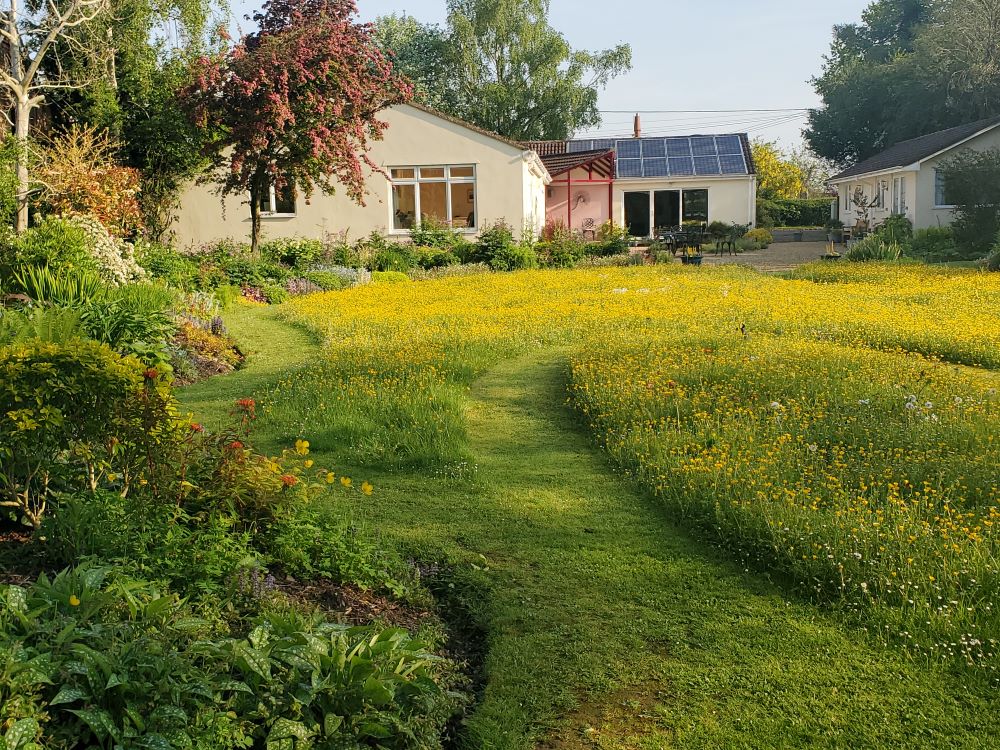
A yard can be a refuge. There are times when not to mow lawn for nature’s sake.
- Flowering periods: When clover, violets, or dandelions are blooming, delay a week to feed bees.
- Ground-nesting bees and fledgling birds: Scan for activity in spring and early summer.
- Edges and wild strips: Let buffer zones grow between cuts to aid insects and soil life.
I follow a “low and slow” pattern: skip one scheduled mow during peak bloom, then resume with a higher deck. That small pause helps pollinators without letting the yard run wild.

Time Of Day, Noise, And Local Rules
Even on a good weather day, timing can make it when not to mow lawn.
- Early morning: Dew equals disease risk and ragged cuts. Wait until grass is dry.
- Midday: Sun stress peaks. Late afternoon or early evening is gentler on turf.
- Local ordinances: Many areas restrict early or late mowing. Avoid fines and neighbor issues.
A simple shift by a few hours can protect the lawn and keep peace on the block.
Special Cases That Often Get Overlooked
These situations look harmless but signal when not to mow lawn.
- Newly sodded lawns: Wait until roots knit into the soil. Light tugs should not lift edges.
- Weeds going to seed: If the lawn is wet, do not mow. You will spread seeds and pathogens.
- Fungus pressure: During humid spells, skip mowing wet grass to avoid tracking spores.
- After pesticide or fertilizer: Follow the product label. Many require a drying or watering window before mowing.
When in doubt, read the label, test the soil, and step back for a day.
A Simple 60-Second Checklist To Decide Today
Use this quick pass before you start. If you answer yes to any, it is when not to mow lawn.
- Is the grass wet, frosty, or heat-stressed?
- Will you remove more than one-third of the blade?
- Do feet or wheels leave ruts or muddy prints?
- Are blades dull or the deck clogged?
- Did you seed, sod, spray, or fertilize in the last 24–72 hours?
If everything checks out, proceed with a higher deck and slower pace.
Frequently Asked Questions of when not to mow lawn
How long should I wait to mow after rain?
Wait until the lawn is dry to the touch and footprints do not stick. This prevents clumping and disease.
Is it bad to mow during a heatwave?
Yes. Heat-stressed grass needs leaf area to cool and photosynthesize. Mow only after a cool-down, and cut high.
Can I mow a frosty lawn?
No. Frost makes blades brittle and they shatter under wheels and blades. Wait until frost fully melts.
When should I mow a newly seeded lawn?
Mow when seedlings reach about 3.5–4 inches and resist a gentle tug. Use a sharp blade and remove very little.
Does mowing wet grass spread lawn disease?
It can. Wet clippings and mower wheels can carry spores across the yard. Wait for dry conditions.
What time of day is best to mow?
Late afternoon to early evening is ideal. The grass is dry, heat has eased, and recovery is faster.
Should I mow when weeds are seeding?
Avoid mowing wet, seeding weeds. You risk spreading seed heads and making the problem worse.
Conclusion
Learning when not to mow lawn protects roots, saves water, and builds a dense, resilient turf. Watch weather, check soil, follow the one-third rule, and respect new growth and local wildlife. A short delay today prevents weeks of recovery work.
Put the checklist by your mower, raise your deck one notch, and start timing cuts for health, not habit. Want more practical lawn tips? Subscribe for weekly guides, or drop your questions in the comments.