

A good riding lawn mower brand balances cut quality, uptime, parts support, and fair price.
If you want a clear, expert take on what is a good riding lawn mower brand, you are in the right place. I test mowers, talk with dealers, and track long-term costs. This guide explains the brands, the tech that matters, and the traps to avoid so you can choose with confidence.
How I judge what is a good riding lawn mower brand
A brand earns trust when it delivers a clean cut, runs for years, and is easy to service. That is the heart of what is a good riding lawn mower brand. I look at real yards, not showroom floors.
Key things I score:
- Build quality: Frame welds, deck gauge, spindle design, and belt routing.
- Engine lineup: Proven engines from Kawasaki, Kohler, or Briggs & Stratton, with clean power and low vibration.
- Transmission: Hydrostatic units that match your terrain and weight; smooth response on hills.
- Cut quality: Even clipping dispersal, stable deck hangers, and strong airflow for bagging or mulching.
- Dealer network: Nearby parts, fast service, fair labor rates, and warranty support that actually helps.
- Ergonomics: Seat, steering feel, visibility, vibration, and noise.
- Price-to-value: Features you will use, not fluff. Transparent specs.
- Longevity: Metal where it counts, serviceable parts, and routine maintenance access.
From years in the field, a simple rule holds: what is a good riding lawn mower brand fits your yard, your terrain, and your support options nearby. The best name on paper can fail if you have no local service.
Top riding lawn mower brands compared
Below are brands I see perform well over time. Each shines in a lane. There is no one-size-fits-all answer to what is a good riding lawn mower brand, but patterns are clear.
John Deere
- Strengths: Excellent dealer support, strong resale, smooth hydro drives, and refined ergonomics.
- Best for: Homeowners who value service network and long-term parts. Great for lawn tractors and garden tractors.
Husqvarna
- Strengths: Solid frames, good deck airflow, wide range from value to pro, strong zero-turn options.
- Best for: Mixed terrain and budget flexibility. Good access to parts through many channels.
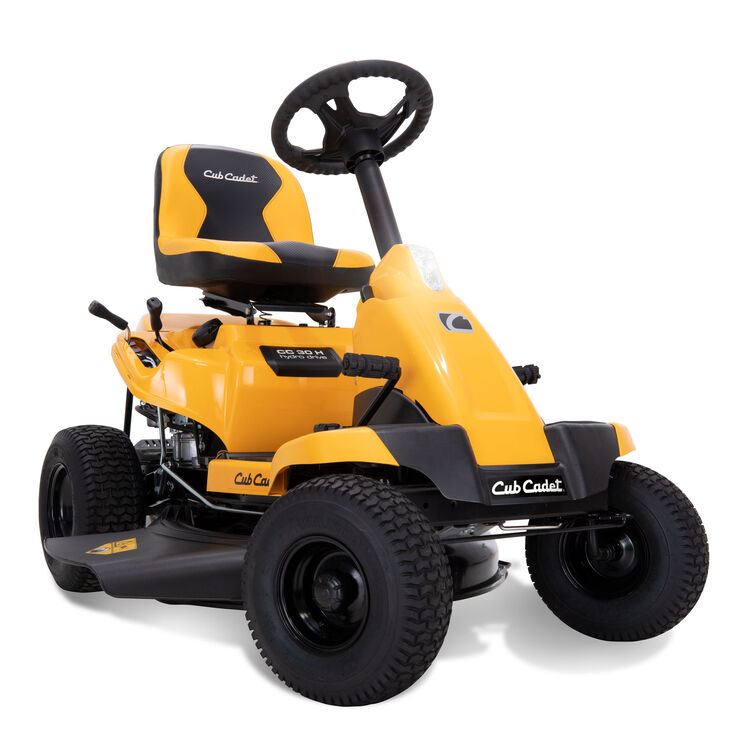
Cub Cadet
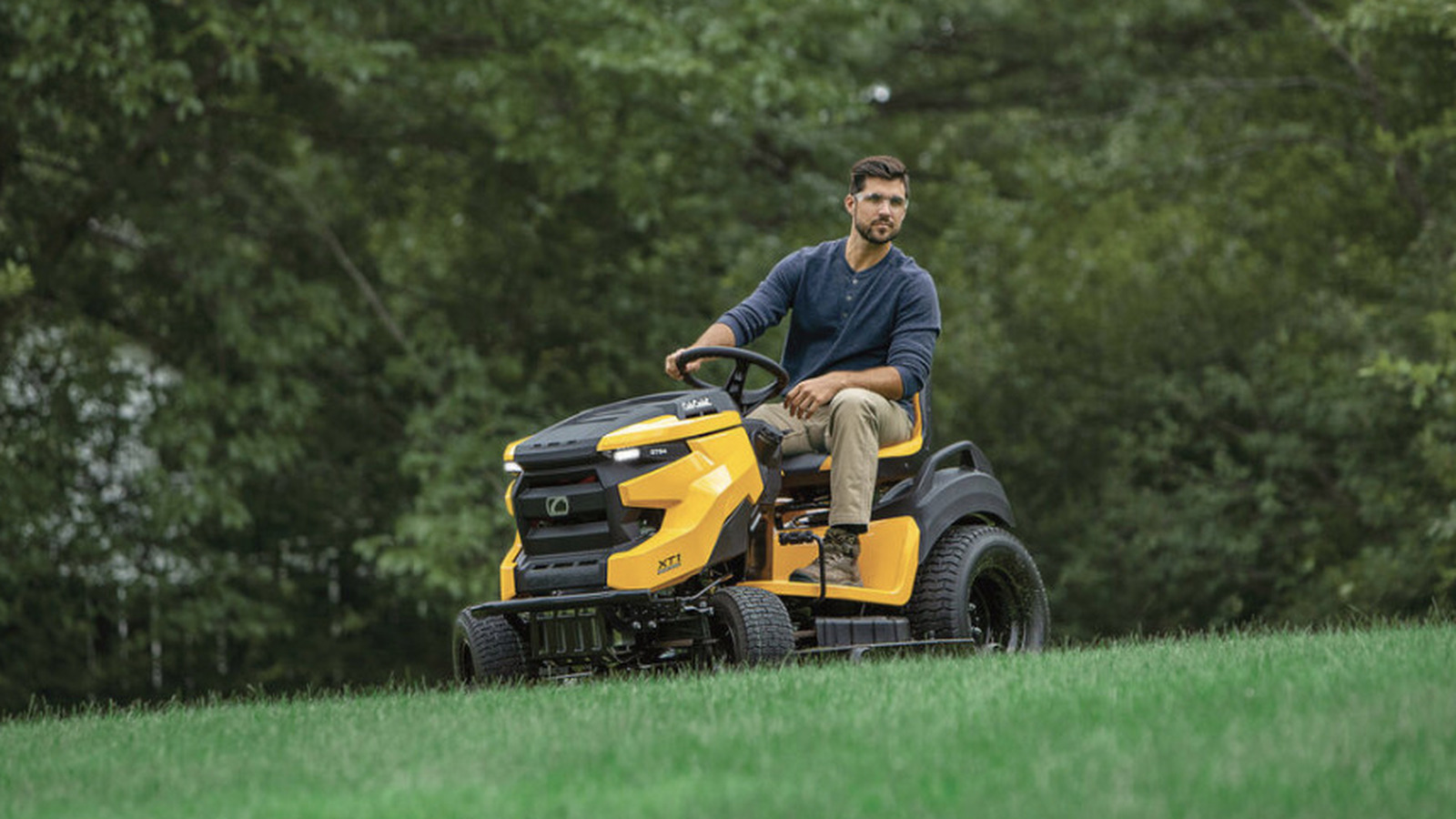
- Strengths: Strong cut quality for the price, feature-rich lawn tractors (XT1/XT2), user-friendly.
- Best for: Value buyers who still want a clean cut and good comfort.
Toro
- Strengths: Very capable zero-turns (TimeCutter, Titan), smart deck designs, strong bagging systems.
- Best for: Speed and maneuverability around many trees and beds.
Ariens
- Strengths: Rock-solid residential zero-turns, tough frames, good dealer network in many regions.
- Best for: Yards that need durability and simple, stout design.
Exmark
- Strengths: Commercial pedigree, premium cut quality, durable decks, long life.
- Best for: Large lawns and semi-pro use where uptime matters most.
Bad Boy
- Strengths: Heavy frames, bold build, competitive pricing on beefy zero-turns.
- Best for: Rough ground and buyers who want heavy-duty hardware value.
Simplicity
- Strengths: Stripe kits, comfy ride, nice cut finish.
- Best for: Finish-focused homeowners who love a showpiece lawn.
Ryobi (battery)
- Strengths: Low noise, low maintenance, simple storage; no gas or oil.
- Best for: Small to mid lawns where runtime fits and you want quiet mowing.
Craftsman and Troy-Bilt
- Strengths: Budget access, easy to find, simple to use.
- Best for: Light duty, flat lawns, entry-level price points.
How I use this in the field: If a neighbor asks what is a good riding lawn mower brand for a hilly acre, I point them to John Deere or Husqvarna with the right hydro and tires. For tight, tree-heavy lots, Toro or Ariens zero-turns shine. For pure value, Cub Cadet often wins on features per dollar.

Gas vs electric: which path fits your lawn
Gas riders still lead for power, range, and broad brand choice. Electric riders win on ease and low noise. The right answer to what is a good riding lawn mower brand depends on your lawn size and routine.
- Choose gas if: You mow more than 1 acre, cut tall or wet grass, or have slopes. Refuel is instant.
- Choose electric if: You mow 0.25 to 1 acre, want low noise, and prefer no engine maintenance.
- What to check: Rated runtime at your grass height, charger time, battery replacement cost, and dealer support.
Tip from my notes: Electric riders feel great on Sunday mornings and HOA areas. But hard, wet spring growth can drain batteries fast. Match your runtime to your longest mow.
Key specs that separate great brands
Good brands publish clear specs. Great brands pair specs with smart design. This is how I read the sheet.
Engine families
- Kawasaki FR/FS: Smooth, strong, respected in lawn and light commercial.
- Kohler 7000/Command: Reliable, easy parts access, EFI options on some models.
- Briggs & Stratton: Large support base, solid in many entry-to-mid units.
- Key cues: Overhead valve, cast-iron sleeves, twin-cylinder for smoother power, EFI for fuel savings.
Deck design
- Stamped deck: Lighter, often better airflow at smaller sizes, great for bagging.
- Fabricated deck: Thicker steel, tougher for rough ground, often found on zero-turns.
- Look for: Reinforced edges, serviceable spindles, accessible washout port, stable hangers.
Transmission
- Hydrostatic: Smooth speed control. Match model to terrain.
- Light hydro (common in entry tractors): Fine for flat lawns and light towing.
- Upgraded hydro (stronger units): Needed for hills, heavy users, or frequent towing.
- Zero-turn drives: Twin hydros. Bigger pumps and wheel motors equal more hill control.
Cut width vs acres
- 30 to 42 inches: Up to 1 acre, tight gates, many obstacles.
- 46 to 54 inches: 1 to 3 acres, balance of speed and trim.
- 60 inches and up: 3 acres or more, open spaces, fewer turns.
Comfort and control
- High-back seat, armrests, rubber isolation mounts, easy blade engagement, clear sight lines.
If you are asking what is a good riding lawn mower brand for long Saturday cuts, focus on seat comfort, vibration, and hydro response. Those three make or break your day.
Reliability, maintenance, and total cost of ownership
Reliability is not luck. It is care, parts, and honest ratings. In my logs, clean storage, sharp blades, and yearly service stretch mower life by years.
What I have learned
- Dealer distance matters. A good brand with a nearby dealer beats a great brand an hour away.
- Belts fail from alignment, heat, and debris. A brush and a quick check each mow save money.
- Change oil and filters on time. Engines forgive a lot, but not dirty oil and clogged air.
Mistakes to avoid
- Buying a light hydro for steep hills. It will feel weak and can wear early.
- Oversizing decks for tight yards. You lose trim control and scalp the turf.
- Skipping tire pressure checks. It tilts the deck and ruins the cut.
When someone asks me what is a good riding lawn mower brand for long-term value, I say this: choose the brand that you can service fast, with parts you can get next day, from people who pick up the phone.
)
How to choose for your yard and budget
Use a simple path to a smart buy. Keep this checklist handy.
- Map your yard: Acres, slopes, gates, trees, tight beds, and rough patches.
- Decide on speed vs control: Zero-turns are fast. Tractors handle slopes and towing well.
- Match deck size to space: Get through your gates and around beds without scalping.
- Pick your power: Gas for range and hills. Electric for quiet and short runs.
- Set a real budget: Include blade sets, belts, fuel, filters, and storage.
- Check support: Call two local dealers. Ask about parts stock and service lead times.
- Test fit: Sit on the seat. Check pedal feel, seat comfort, and visibility.
- Compare warranties: Read what is covered and where repairs happen.
If your search is what is a good riding lawn mower brand for a first-time buyer, this steps list keeps you safe and on budget.
Real-world picks by use case
These are patterns that work well for most lawns. Always confirm local support and model-year updates.
Small, tight lawns with gates (0.25–1 acre)
- Consider: Compact tractors with 30–42 inch decks, or a small zero-turn.
- Brands that fit: Cub Cadet, John Deere, Toro, Ryobi (battery for quiet).
Hilly 1–2 acres with some towing
- Consider: Lawn tractor with a stronger hydro and twin engine.
- Brands that fit: John Deere, Husqvarna, Cub Cadet XT2 lines.
Tree-heavy 1–3 acres with many turns
- Consider: Zero-turn with 42–52 inch fabricated deck.
- Brands that fit: Toro TimeCutter, Ariens IKON, Husqvarna Z series.
Large, open acreage (3+ acres)
- Consider: 54–60 inch zero-turn, robust hydros, comfortable seat.
- Brands that fit: Exmark, Toro Titan, Bad Boy, higher Husqvarna models.
Quiet suburbs with strict noise rules
- Consider: Battery riders with enough runtime for your longest mow.
- Brands that fit: Ryobi and other 48–80V platforms.
Each of these answers a version of what is a good riding lawn mower brand by matching tools to terrain, time, and service.
Frequently Asked Questions of what is a good riding lawn mower brand
What is a good riding lawn mower brand for hills?
Look for a brand that pairs stronger hydro drives with firm traction. John Deere and Husqvarna tractor lines are common winners, with the right tires and deck size.
What is a good riding lawn mower brand for 1–2 acres?
A good match blends a 42–54 inch deck with a smooth hydro and a twin engine. Cub Cadet, John Deere, and Toro often hit the sweet spot at fair prices.
Is a zero-turn better than a lawn tractor?
Zero-turns are faster and turn tight around beds and trees. Tractors tow better, feel steadier on slopes, and handle uneven ground with less twitch.
How long should a riding mower last?
With care, 8–12 years is common for quality residential units. Sharpen blades, change oil, and store clean to stretch life.
Which engines are most reliable in riders?
Kawasaki and Kohler twins are well regarded for smooth, steady power. Briggs & Stratton twins also do well with regular maintenance.
Are electric riding mowers worth it?
Yes, if your lawn fits the runtime and you value quiet, low upkeep, and easy storage. Check battery replacement cost and warranty terms before you buy.
What is a good riding lawn mower brand with strong dealer support?
Brands with wide dealer networks, like John Deere and Toro, are safe bets. Local service speed matters as much as the logo.
Conclusion
A strong riding mower choice is not just a logo. It is the right deck, the right drive, and real service you can count on. Match your yard to the machine, confirm support, and test comfort before you sign.
Use this guide to narrow your list today. Call two dealers, sit on three models, and pick the one that fits your lawn and your back. If this helped, subscribe for more gear tests or leave a question with your yard size and slope let’s find your perfect fit.