

Start with a few easy flowers; choose vegetables for food, fruits if you want longer projects.
Choosing between flowers fruits and vegetables for beginners can feel overwhelming, but with clear steps and practical advice you can decide what fits your goals, space, and time. I draw on over 10 years of hands-on gardening experience and research to guide you through deciding between flowers fruits and vegetables for beginners, explaining care needs, costs, and quick wins so you can start with confidence. Read on to learn how to match plant type to your lifestyle, avoid common mistakes, and pick the best first projects.

Why decide between flowers fruits and vegetables for beginners?
Beginners should start by asking what they want from a garden. Do you want beauty, fresh food, or a mix? Answering this helps when deciding between flowers fruits and vegetables for beginners.
Flowers offer fast visual rewards. Vegetables often give quick edible returns. Fruits usually take longer but pay off over years. Knowing these trade-offs makes planning easier.
- Benefits of choosing intentionally
- Reduces wasted time and money.
- Sets realistic expectations.
- Helps select the right varieties and tools.
Key factors to weigh when deciding between flowers fruits and vegetables for beginners
Consider these core criteria when deciding between flowers fruits and vegetables for beginners. Short, focused answers work best for new gardeners.
- Time to harvest or bloom
- Flowers: bloom in weeks to months.
- Vegetables: harvest in weeks to a few months.
- Fruits: often need a season or several years.
- Space and containers
- Flowers fit small pots and window boxes.
- Vegetables need room or larger containers.
- Fruit trees or bushes need permanent space.
- Maintenance and care
- Flowers: deadheading and occasional feeding.
- Vegetables: regular watering, feeding, and pest checks.
- Fruits: pruning, pest control, and seasonal care.
- Cost and tools
- Flowers: low initial cost for annuals.
- Vegetables: seeds or seedlings are cheap; tools may add cost.
- Fruits: higher upfront cost for trees or shrubs.
- Emotional payoff
- Flowers: instant joy and color.
- Vegetables: practical satisfaction from food.
- Fruits: long-term pride and ongoing harvests.

Practical comparisons: what beginners should expect
Here are practical examples to help with deciding between flowers fruits and vegetables for beginners.
- Quick wins
- Petunias, marigolds, and zinnias bloom fast and are forgiving.
- Leafy greens, radishes, and bush beans grow quickly and feed you soon.
- Raspberries or dwarf fruit trees take longer but produce for years.
- Common problems
- Flowers: powdery mildew in humid spots.
- Vegetables: pests like aphids and slugs attack leaves.
- Fruits: birds and fungal issues need long-term care.
- Seasonal considerations
- Start flowers and cool-season vegetables in spring or fall.
- Warm-season vegetables need frost-free windows.
- Fruit planting is best in dormant seasons for many types.

Easy starter lists for deciding between flowers fruits and vegetables for beginners
If you still wonder what to pick, try one from each list. These are low-effort starters that teach core skills.
- Easy flowers for beginners
- Marigolds: pest resistant and low care.
- Zinnias: drought-tolerant and colorful.
- Cosmos: cheap seed, tall blooms.
- Easy vegetables for beginners
- Lettuce and salad greens: quick harvests, cut-and-come-again.
- Radishes: fastest crop, ready in weeks.
- Bush beans: reliable and space-efficient.
- Easy fruits for beginners
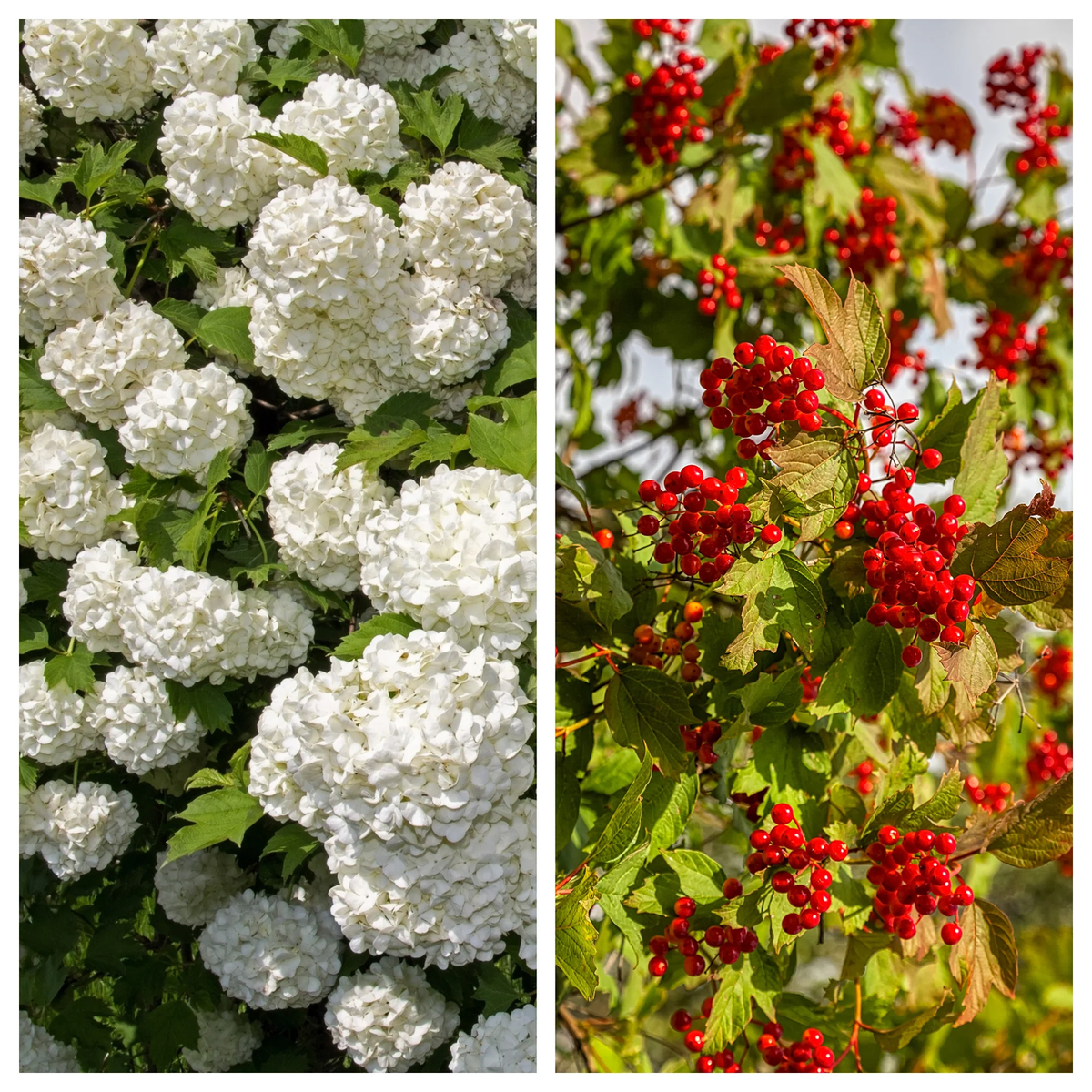
- Strawberries: grow in pots or beds, early berries.
- Raspberries: productive in many climates once established.
- Dwarf apple or peach: fruit tree for small spaces with proper care.
Soil, light, and water basics
Solid basics make deciding between flowers fruits and vegetables for beginners easier. Test these three first.
- Soil
- Most plants need loose, well-drained soil. Add compost to improve texture.
- Vegetables demand richer soil; flowers are often less picky.
- Light
- Full sun (6+ hours) suits most vegetables and many fruits.
- Some flowers and many leafy greens tolerate partial shade.
- Water
- Consistent moisture benefits vegetables most; overwatering causes root rot.
- Mulch keeps soil even and reduces weeds for all plant types.
Tools, budget, and timeline planning
Plan tools and costs before deciding between flowers fruits and vegetables for beginners. A simple plan keeps projects on target.
- Starter tool list
- Hand trowel, watering can or hose, pruning shears, gloves.
- Soil test kit and basic fertilizer.
- Budget tips
- Start from seed for vegetables and some flowers to save money.
- Buy one small fruit shrub or dwarf tree rather than many expensive plants.
- Timeline sample
- 1–3 months: annual flowers and fast vegetables show results.
- 1 season to 2 years: many vegetables and some berry bushes.
- 2+ years: fruit trees and long-lived shrubs reach full production.
Common challenges and how to solve them
Troubleshooting is part of deciding between flowers fruits and vegetables for beginners. Use these fixes when problems appear.
- Pest pressure
- Handpick pests, use insecticidal soap, and encourage beneficial insects.
- Poor blooms or yields
- Check sunlight and soil fertility; feed and adjust location.
- Overwatering or underwatering
- Use a moisture meter or stick your finger into the soil to gauge water needs.

Personal experience: lessons I learned while deciding between flowers fruits and vegetables for beginners
I started with flowers to learn watering and soil basics. After two seasons I tried vegetables and gained quick edible results. Only after several years did I add fruit shrubs, which rewarded patience and regular care.
Lessons learned
- Start small and build skills slowly.
- Keep a simple journal of planting dates, varieties, and problems.
- Expect failures; learning from them is the fastest path to success.
PAA-style questions (short answers)
What should a beginner plant first when deciding between flowers fruits and vegetables for beginners?
- Start with one easy flower and one fast vegetable to learn basic care and see results quickly.
How much space is enough for a beginner garden?
- A few pots or a small raised bed of 4×4 feet is enough to start and learn core skills.
Can beginners grow fruit in containers?
- Yes, many fruits like strawberries and dwarf trees do well in pots with good soil and regular feeding.
Frequently Asked Questions of deciding between flowers fruits and vegetables for beginners
What is the easiest option for complete beginners?
Start with hardy annual flowers and quick vegetables like lettuce or radishes to build confidence and skills.
How much time do I need each week?
Plan 1–3 hours per week for watering, weeding, and basic checks; more time during planting and harvest.
Do vegetables need special soil?
Vegetables prefer richer soil with added compost, but many leafy greens tolerate average garden soil with light amendment.
Are fruits worth the wait for beginners?
Fruits are worth it if you want long-term harvests, but they need patience and seasonal care unlike quick annuals or vegetables.
Can I mix flowers, fruits, and vegetables in one garden?
Yes. Companion planting can improve pest control and beauty; plan spacing and light needs before planting.
Conclusion
Choosing between flowers fruits and vegetables for beginners is about goals, space, time, and patience. Start with easy wins, learn basic soil and water care, and expand as you gain confidence. Try one or two plants from the starter lists, keep short notes, and be patient gardening rewards persistence.
Take action today: pick one flower and one vegetable to plant this season, keep a small journal of your steps, and share your progress or questions in the comments to get tailored advice.