

step by step guide to hydroponics and greenhouse gardening: start with planning, systems, nutrients, monitoring, and harvest.
I have built and managed multiple greenhouse hydroponic setups. This step by step guide to hydroponics and greenhouse gardening gives clear, practical directions you can follow. I show how to plan space, pick systems, mix nutrients, monitor plants, and troubleshoot problems. Read on to learn proven methods, common mistakes, and simple ways to grow healthy crops year-round.

Why choose hydroponics and greenhouse gardening
Hydroponics grows plants without soil. A greenhouse creates a stable climate. Together they let you grow more, faster, and with less water. This step by step guide to hydroponics and greenhouse gardening explains why the pair is powerful for home growers and small farms.
Benefits include higher yields, year-round production, and water efficiency. Limitations include upfront cost and a learning curve. Expect precise control and faster growth. Be ready to monitor nutrients and environmental conditions closely.
Practical uses range from salad greens to herbs and small fruiting crops. This method fits urban rooftops, backyard greenhouses, and commercial tunnels. It scales well from a single rack to a multi-bay greenhouse.

Core components and system types
Understanding components reduces mistakes. This step by step guide to hydroponics and greenhouse gardening starts with the basics below.
Essential greenhouse components
- Structure and glazing: glass, polycarbonate, or polyethylene covering.
- Ventilation and fans: to control humidity and temperature.
- Heating and shade: for winter and hot days.
- Benches, troughs, and staging: to support systems and workflows.
Hydroponic system types
- Nutrient Film Technique (NFT): shallow stream of nutrient solution.
- Deep Water Culture (DWC): roots suspended in oxygenated water.
- Ebb and Flow (flood and drain): periodic flooding of grow trays.
- Drip irrigation: targeted feeding via emitters.
- Wick system: passive feeding for small crops.
- Aeroponics: fine misting of roots for high oxygen levels.
Common components across systems
- Reservoirs and pumps.
- Grow media: coco coir, rockwool, perlite.
- Air pumps and stones for oxygen.
- pH and EC meters, and dosing equipment.
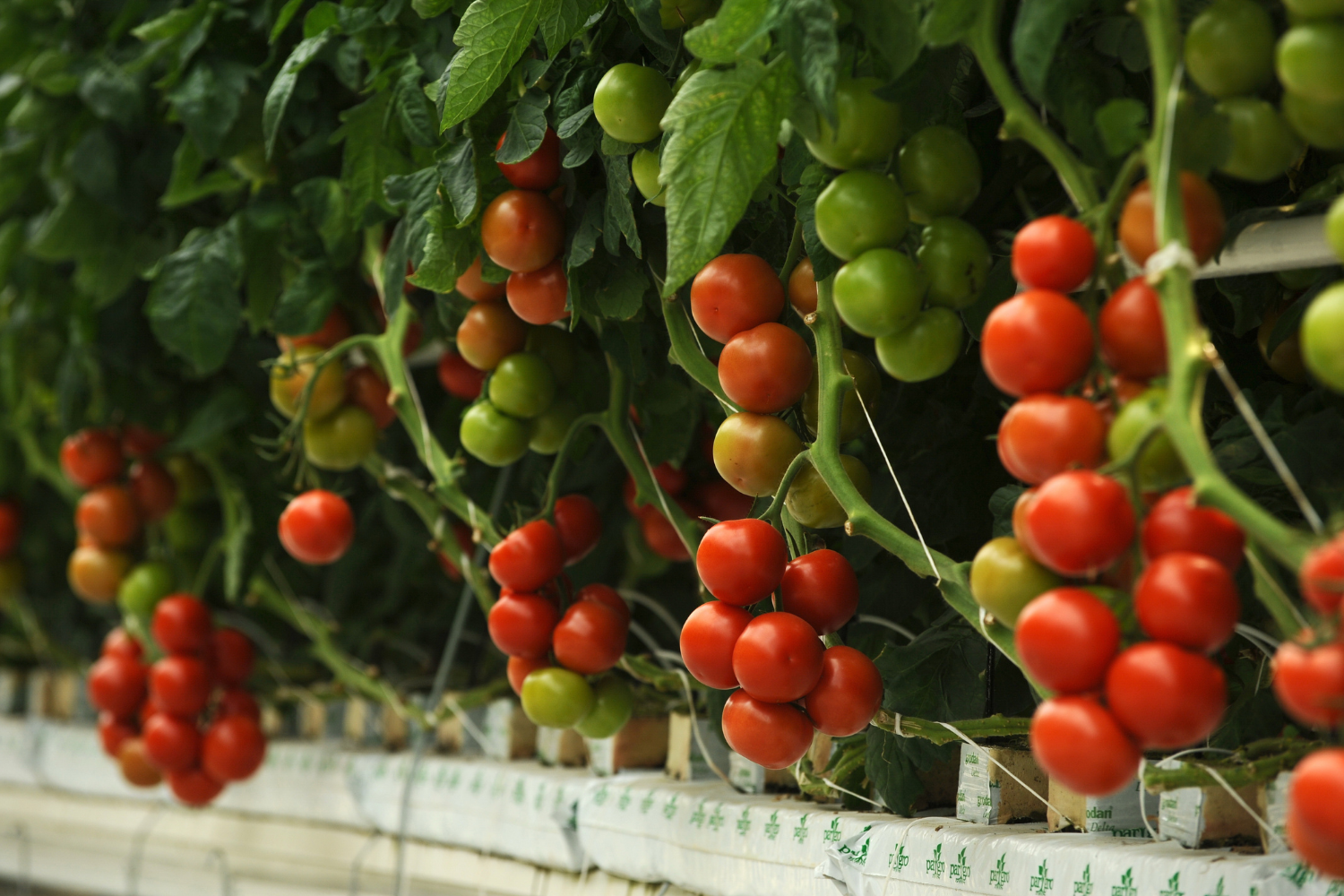
Step-by-step setup for hydroponics in a greenhouse
Follow these steps to build a working system. This step by step guide to hydroponics and greenhouse gardening lists the core tasks in order.
- Plan and set goals
- Define crops, yield goals, and available space.
- Calculate light, water, and nutrient needs.
- Prepare the greenhouse
- Choose glazing and orientation for sunlight.
- Install ventilation, fans, and shade cloth.
- Add benches and drainage.
- Choose a hydroponic system
- Pick NFT for leafy greens.
- Pick DWC for simple setups.
- Pick drip or ebb and flow for mixed crops.
- Set up water and electrical systems
- Fit a reservoir with pump, tubing, and plumbing.
- Install timers and GFCI circuits for safety.
- Prepare grow trays and media
- Place media into net pots or channels.
- Sanitize surfaces and equipment before use.
- Propagate seedlings
- Start seeds in rockwool or plugs under lights.
- Harden seedlings before transplanting to the system.
- Mix and manage nutrient solution
- Use a balanced nutrient formula for the crop stage.
- Adjust pH to the crop’s range and check EC.
- Plant and space crops
- Transplant seedlings into net pots or channels.
- Follow spacing guidelines to avoid crowding.
- Monitor daily
- Check water level, pH, EC, and pumps.
- Inspect plants for pests and stress.
- Harvest and rotate
- Harvest per crop schedule.
- Sanitize system between crop cycles to prevent disease.
This step by step guide to hydroponics and greenhouse gardening helps you move from idea to first harvest. Start small and scale once you master basics.

Nutrient management, water quality, and plant care
Good water and nutrient control make success likely. This step by step guide to hydroponics and greenhouse gardening focuses on key care tasks.
Water quality
- Use filtered or municipal water when possible.
- Test for chlorine, hardness, and contaminants.
Nutrient basics
- Use formulas designed for hydroponics.
- Change solution on a regular cycle to prevent buildup.
- Track EC (electrical conductivity) for nutrient strength.
- Maintain pH in the optimal range for your crop.
Plant care
- Prune and train plants to improve airflow and light.
- Use integrated pest management to control bugs.
- Employ beneficial insects or organic controls when needed.
Flushing and rebalancing
- Flush media periodically to remove salt buildup.
- Refill reservoir and rebalance nutrients after flush.
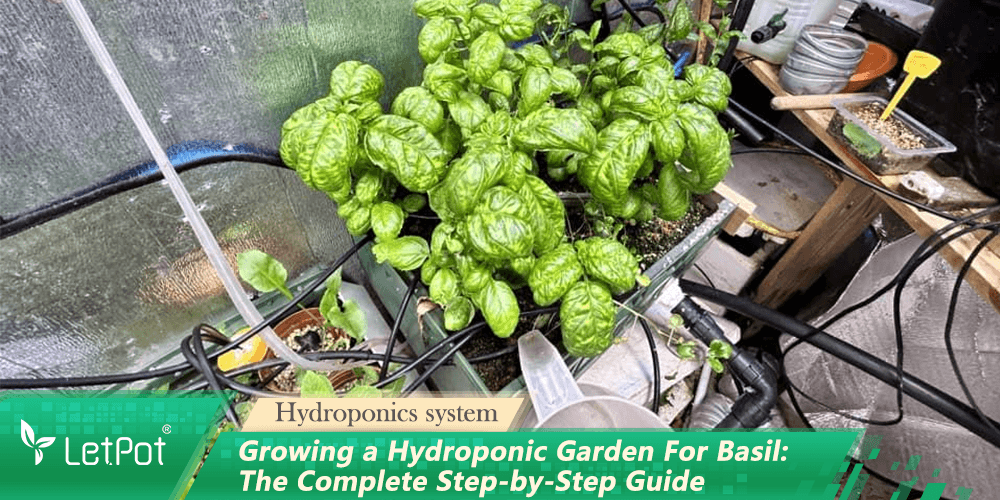
Monitoring, automation, and troubleshooting
Automation reduces errors. This step by step guide to hydroponics and greenhouse gardening recommends automation where it saves time.
Useful sensors
- pH and EC meters with data logging.
- Temperature and humidity sensors.
- Timers for pumps and lights.
Automation tips
- Start with simple timers and manual checks.
- Add automatic dosing once you understand nutrient patterns.
- Use alerts for critical failures like pump outages.
Common problems and fixes
- Algae growth: cover nutrient solution and reduce light exposure to reservoirs.
- Root rot: improve oxygenation and sanitize between crops.
- pH drift: check daily and add pH buffers slowly.
- Nutrient lockout: check EC and specific element deficiencies.
Personal insight
- I once lost a crop to a failed air pump. After that I installed redundant air stones and a daily check schedule. That saved future crops and reduced stress.
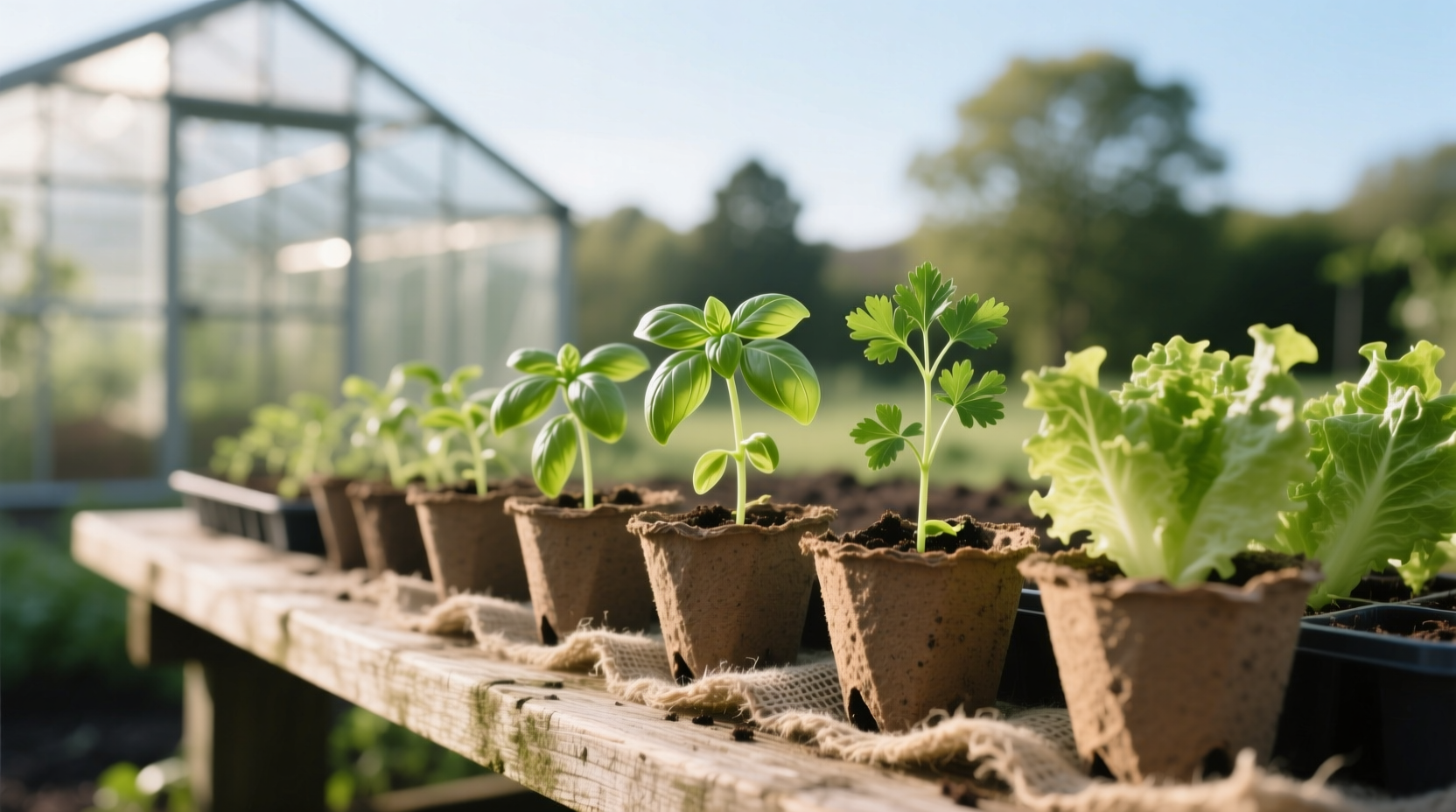
Common mistakes to avoid and practical tips
Avoid these errors to save time and money. This step by step guide to hydroponics and greenhouse gardening highlights common pitfalls.
Common mistakes
- Skipping sanitation between crops.
- Overfeeding nutrients without checking EC.
- Ignoring ventilation and humidity control.
- Starting too large before mastering basics.
Practical tips
- Keep a grow journal. Record pH, EC, temperatures, and observations.
- Start with leafy greens to learn system behavior.
- Use color charts or simple tests for quick diagnosis.
Costs, scaling, and return on investment
Understand money and scale before you invest. This step by step guide to hydroponics and greenhouse gardening examines costs and ROI.
Upfront costs
- Greenhouse shell, benches, and ventilation.
- Pumps, reservoirs, and sensors.
- Lighting for supplemental light if needed.
Operating costs
- Electricity for pumps, fans, and lights.
- Nutrient solutions and media.
- Seedlings and labor.
Scaling tips
- Start with a single system and expand.
- Reuse media where safe and cost-effective.
- Automate repetitive tasks to reduce labor costs.
Estimating ROI
- Leafy greens yield fast and return costs quicker.
- Track yields and expenses to assess payback time.
- Commercial growers often reach positive ROI after a few crop cycles if managed well.

Sustainability and environmental impact
Hydroponics and greenhouse gardening can be greener than field farming. This step by step guide to hydroponics and greenhouse gardening includes sustainability considerations.
Water use
- Hydroponics uses 70–90% less water than traditional soil farming in many cases.
- Recirculating systems conserve water best.
Chemical use
- Reduced pesticide needs inside a well-managed greenhouse.
- Nutrient runoff must be managed responsibly.
Energy considerations
- Heating and lighting use energy. Optimize with passive solar, insulation, and efficient LEDs.
- Consider renewable energy and heat recovery for larger operations.

Frequently Asked Questions of step by step guide to hydroponics and greenhouse gardening
How long does it take to see results with hydroponics?
Most leafy greens show harvestable growth in 3–6 weeks. Fruiting crops take longer, often 8–12 weeks or more.
Do I need special nutrients for hydroponics?
Yes. Hydroponic nutrients provide dissolved minerals in balanced ratios. Soil fertilizers are not ideal because they can clog systems.
Can I run a hydroponic system in a small greenhouse?
Yes. Small greenhouses work well for racks and NFT or DWC systems. Start small and scale as you gain experience.
How often should I check pH and EC?
Check pH and EC daily at first, then at least every other day once stable. Rapid changes can harm plants quickly.
Is hydroponics more water-efficient than soil?
Yes. Recirculating hydroponic systems typically use far less water than field soil systems. Efficiency depends on system design and management.
Conclusion
This step by step guide to hydroponics and greenhouse gardening gives a clear path from planning to harvest. You now know system options, setup steps, nutrient management, monitoring, and common mistakes to avoid. Start small, keep records, and use automation carefully. Try a simple DWC or NFT rack this season and learn by doing. Share your results, ask questions, or subscribe for updates to grow more with confidence.