

A push lawn mower is a walk-behind mower you power by pushing.
You want a clean, even yard without fuss. You also want simple care and clear facts. If you want to know what is push lawn mower and how it fits your lawn, you are in the right place. I have used these mowers for years. I will explain the parts, the types, the pros, and the costs. I will also share mistakes I made and how to avoid them. Read on for a complete, clear guide you can trust.

What Is a Push Lawn Mower? How It Works
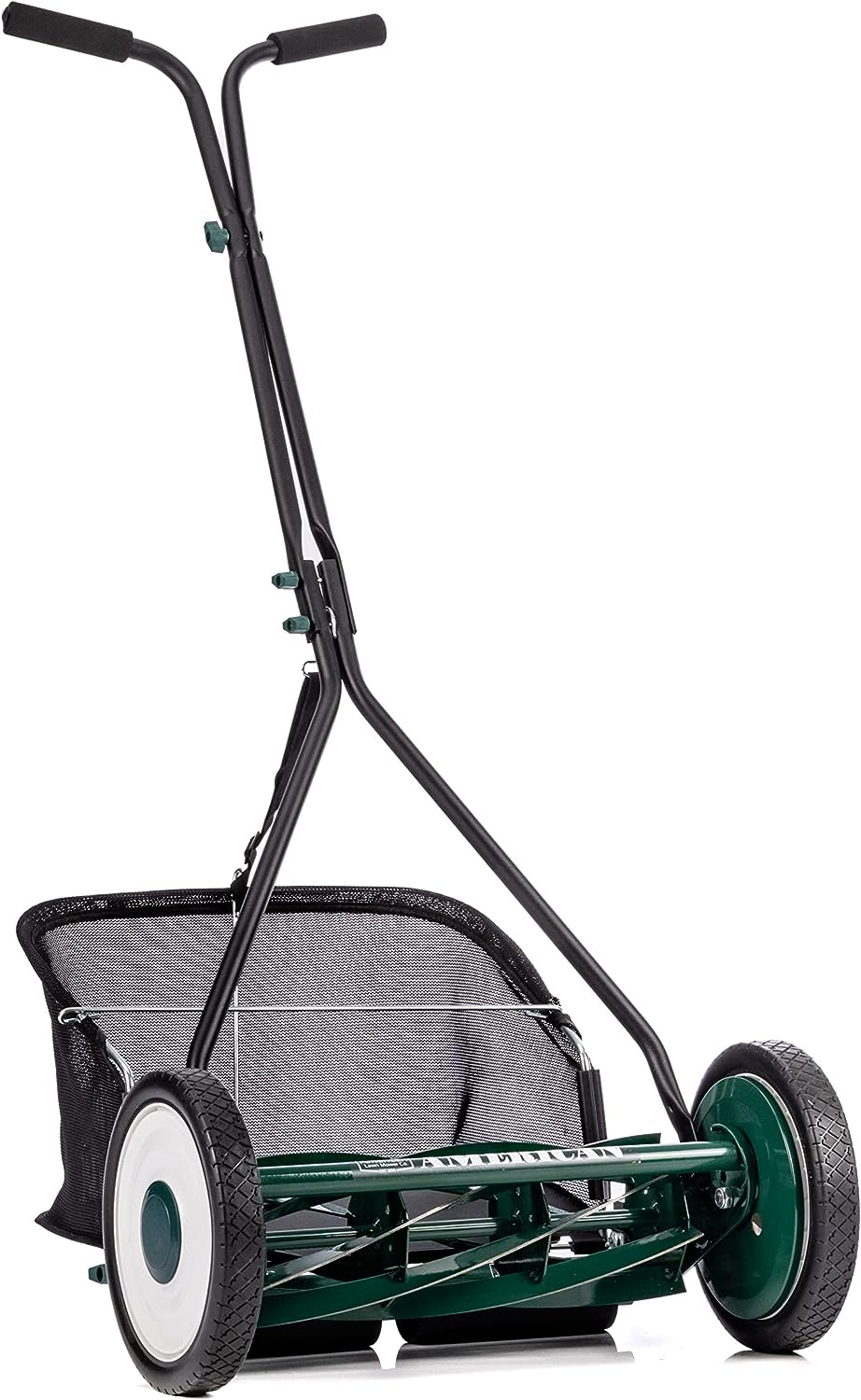
A push lawn mower is a walk-behind tool. You move it by hand to cut grass with a blade. There is no self-propel system. Your stride and pace set the speed. Most models use a rotary blade. Some use a reel with several blades.
People ask, what is push lawn mower in simple terms? It is the base style of mower for small to mid lawns. You push, the blade spins, and grass gets cut. That’s it.
Here is a quick check:
- Is a push mower the same as a reel mower? Not always. A reel is one type of push mower.
- Do push mowers use gas or battery? Many do. Manual reel types use only your effort.
Push mowers are good for tight areas. They turn fast. They store well. They are also easy to service at home.

Types of Push Lawn Mowers
Push mowers fall into two main groups. Each group suits a different need.
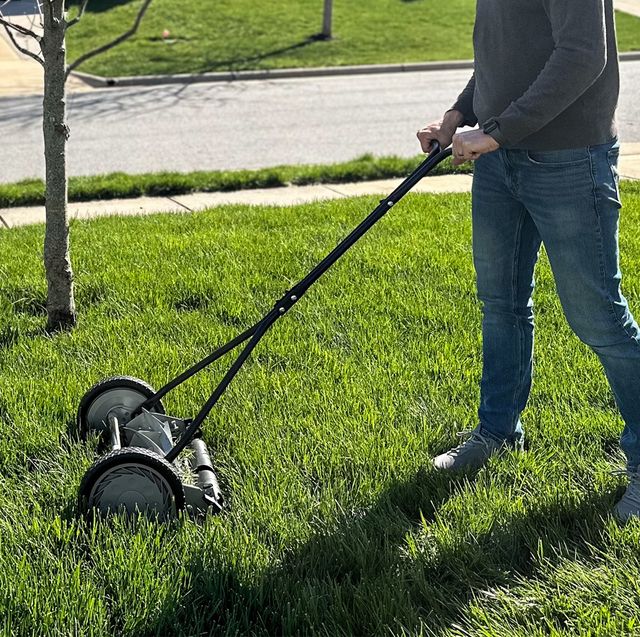
- Manual reel push mowers. No engine. Several blades spin like scissors. They give a clean cut on fine turf. They are very quiet and light. They work best on short, well-kept lawns.
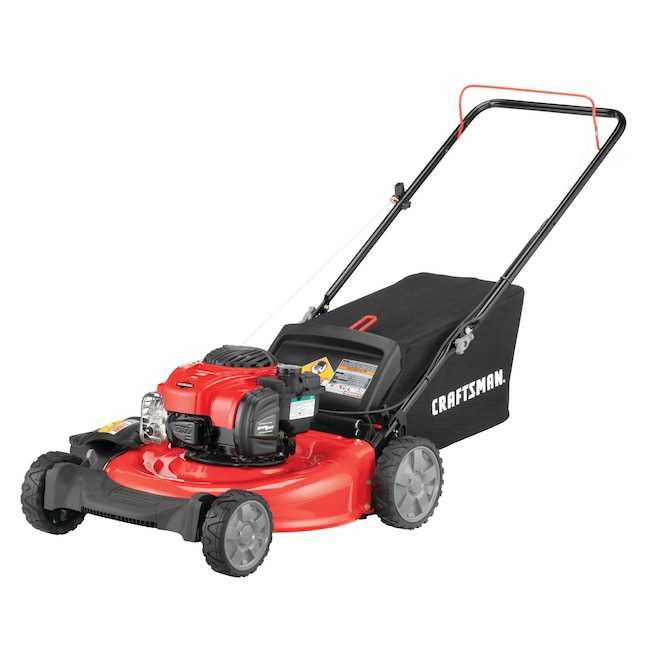
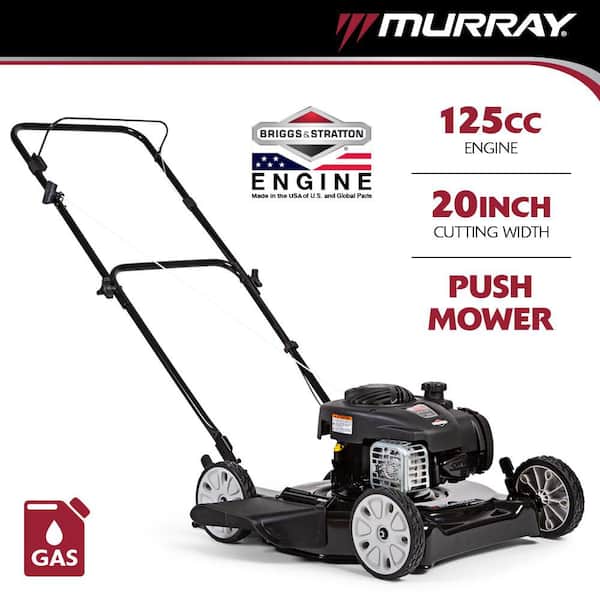
- Rotary push mowers. One horizontal blade spins fast. They handle varied grass and weeds. They cut taller grass better than reels.
Power choices for rotary push mowers:
- Gas push mowers. Strong power and long run time. Heavier and louder. Need fuel, oil, and more care.
- Corded electric push mowers. Light and quiet. Need an outlet and cord care. Best for small, open yards.
- Battery push mowers. Clean, quiet, and simple to start. Run time depends on the pack. Extra packs help.
Many owners search what is push lawn mower best for uneven yards. Rotary battery or gas models do well. Manual reels struggle on bumps.
Key Components and Why They Matter
The build of the mower shapes the cut and feel.
- Deck. The shell around the blade. Steel is tough. Plastic resists rust and is light. A wider deck cuts more per pass but can feel heavy.
- Blade. Rotary blades need sharp edges. High-lift blades bag better. Mulching blades chop clippings fine.
- Height adjustment. Single lever is fast. Multiple levers can be more exact. Most range from about 1 to 4 inches.
- Wheels and bearings. Larger rear wheels roll easier on bumps. Sealed bearings last longer.
- Grass handling. Bagging removes clippings. Mulching returns fine bits to feed soil. Side discharge is fast in tall growth.
- Safety bar. Stops the blade when you let go. Test it often.
- Motor or engine. Look for torque, not hype watts. More torque keeps blade speed in thick grass.
If you wonder what is push lawn mower detail that matters most, focus on blade sharpness and height control. These protect your grass health.

Source: lazyhomesteader.com
Benefits and Drawbacks
Push mowers have clear upsides and trade-offs.
Benefits:
- Simple and reliable. Fewer parts mean fewer failures.
- Great cut control. Your pace sets the quality and detail.
- Lower cost. Purchase and upkeep can be budget friendly.
- Small footprint. Easy to store in a shed or small garage.
- Fitness boost. You get light exercise as you mow.
Drawbacks:
- More effort on slopes. No self-propel help.
- Slower on very large lawns. Time and energy add up.
- Gas models are louder and need fuel care.
- Reel types can jam in sticks or tall, coarse grass.
These points help define what is push lawn mower value. It is a smart, lean tool for many homes.
How to Choose the Right Push Mower
Match the mower to your yard and your body.
- Lawn size. Under 8,000 square feet suits any push mower. Above that, look for wider decks or consider self-propel.
- Terrain. Flat yards are easy. For hills, pick light weight, large wheels, and strong torque.
- Grass type. Fine fescue loves reels. Bermuda likes low cuts with sharp blades. Tall fescue and rye do well with rotary.
- Storage and lifting. Measure your space. Check mower weight if you need to lift it.
- Power choice. Gas for long, tough sessions. Battery for quiet and clean use. Corded for small, open plots.
- Features that matter. Single-lever height, mulching plug, easy-wash port, and folding handles save time.
You may think, what is push lawn mower spec that saves the day? Height range. It keeps you from scalping in heat or drought.
Setup, Use, and Safety Best Practices
Follow a simple flow for a clean, safe cut.
- Unbox and inspect. Tighten bolts. Attach the handle and bag.
- Set cut height. Start high. Lower a notch if needed.
- Check the blade. It should feel sharp to the touch edge. Wear gloves.
- For gas. Add fresh fuel and proper oil. For battery. Charge packs fully. For corded. Use a safe, outdoor-rated cord.
- Walk at a steady pace. Overlap passes a little for an even cut.
- Keep hands and feet clear. Stop the blade before moving sticks or rocks.
- Wear closed shoes and eye protection.
If you still ask what is push lawn mower method for stripes, vary pass direction week to week. The grass bends and shows clean lines.

Care and Maintenance Schedule
A little care makes a big change in cut quality.
- After each mow. Brush off clippings. Check the deck for build-up.
- Every 10 hours. Inspect blade for nicks. Touch up if dull.
- Every 25 hours. Sharpen the rotary blade or backlap reel blades.
- Gas engines. Change oil per manual. Use fresh fuel. Replace air filter and spark plug on schedule.
- Battery models. Store packs cool and dry. Keep packs at partial charge for long storage.
- Cables and bolts. Lube moving joints. Tighten loose fasteners.
- Winter storage. Clean, dry, and raise the deck. For gas, empty or stabilize fuel.
This routine answers what is push lawn mower care that lasts. Sharp blades and clean decks protect the turf.
Costs, Noise, and Environmental Impact
Total cost includes the mower, fuel or power, and care. Manual reel mowers cost the least and have near-zero upkeep. Battery push mowers cost more up front but save on fuel and oil. Gas push mowers are often lowest in price to buy but need fuel and service.
Noise varies. Manual reels are very quiet. Many battery mowers sit in the 70–80 dB range. Gas models can be higher. Lower noise helps your ears and keeps peace with neighbors.
Exhaust and emissions only apply to gas. Battery and corded units produce no on-site exhaust. Mulching lowers yard waste and can cut fertilizer needs.
These facts help frame what is push lawn mower impact on your budget and air.

Common Mistakes and Pro Tips from the Yard
I have kept a 5,000 square foot lawn for years. Here are errors I made and fixes that worked.
Mistakes to avoid:
- Cutting too short. It stresses grass and invites weeds.
- Mowing wet grass. It clumps, tears blades, and can clog decks.
- Skipping blade care. Dull blades shred leaves and dull color.
- Wrong fuel. Old fuel causes hard starts and surges.
- Forcing speed. Fast pushing lowers cut quality.
Pro tips that help:
- Follow the one-third rule. Never remove more than a third of the blade height.
- Alternate mow patterns. It prevents ruts and gives crisp stripes.
- Edge first. It sets a clean line to follow.
- Match wheel height to terrain. Higher on bumpy spots protects the scalp.
- Clean the deck. Airflow improves and mulching works better.
These habits define what is push lawn mower mastery in day-to-day use.
Troubleshooting Quick Guide
Use this quick list to fix common issues.
- Hard to start (gas). Use fresh fuel and check the plug and air filter. Set the choke as marked.
- Uneven cut. Level the deck. Sharpen the blade. Slow down over bumps.
- Poor bagging. Check the bag mesh and chute for clogs. Install a high-lift blade.
- Vibration or harsh noise. Tighten the blade bolt. Replace a bent blade at once.
- Battery fades fast. Use a higher Ah pack. Keep blades sharp to reduce load.
If you still ask what is push lawn mower fix for scalping, raise the deck one notch and overlap less.
Frequently Asked Questions of what is push lawn mower
What size yard suits a push mower best?
Most push mowers work well up to about 8,000–10,000 square feet. Larger areas can be done, but time and effort rise fast.
Is a push mower hard to use on hills?
It takes more effort on slopes. Choose a light model with large rear wheels and take shorter passes.
Does a push mower cut as well as self-propel?
Yes, the blade and deck drive cut quality, not the drive. With sharp blades and the right height, results match or beat many self-propel units.
What maintenance does a push mower need?
Keep the blade sharp, the deck clean, and fasteners tight. Follow fuel, oil, or battery care steps based on your power type.
Can a push mower mulch well?
Many push mowers mulch very well with the right blade and plug. Keep the deck clean and avoid tall, wet grass for best results.
Is a reel push mower better for fine turf?
Yes, a reel makes a clean, scissor-like cut at low heights. It needs a smooth lawn and short grass to avoid jams.
What is push lawn mower advantage over riding mowers?
Small size, low cost, and easy storage stand out. They also give better control around beds, trees, and tight spots.
Conclusion
Now you know what is push lawn mower, how it works, and who it suits. You have seen the parts, the types, the care, and the costs. You also learned from real mistakes and tips that improve your cut fast. Pick a model that fits your yard and your pace. Set the height right. Keep the blade sharp.
Ready to take the next step? Measure your lawn, list your must-have features, and choose with confidence. If this guide helped, share it, subscribe for more yard tips, or leave a question and I will help you decide.