

Most mowers run SAE 30 or 10W-30; many modern engines prefer synthetic 5W-30.
If you’ve asked what kind of oil does a lawn mower use, you’re already on the right path. I’ve spent years maintaining small engines, and I know how one simple choice can decide whether your mower starts first pull or struggles. This guide explains what kind of oil does a lawn mower use, why it matters, and how to pick the best option for your climate, engine brand, and routine.

How Lawn Mower Engines Use Oil
Lawn mower engines are air‑cooled. They run hotter than car engines. Oil must handle heat, shear, and dust. That is why the right viscosity and quality matter.
Most walk‑behind mowers use four‑stroke engines. They have a fill cap, a dipstick, and a drain. Oil circulates to cool and clean parts. Two‑stroke trimmers are different; they mix oil with fuel. We will focus on four‑stroke mower oil here.
If you wonder what kind of oil does a lawn mower use, the best short guide is this: choose a viscosity that matches your weather, and a quality that meets small‑engine specs. Use fresh, detergent oil with an API rating of SJ or newer (SL, SM, SN, SP are all fine). Always check your manual first.
Key benefits of the right oil:
- Smoother starts in cold and hot weather
- Lower wear on rings, bearings, and cam
- Cleaner engine, fewer deposits
- Longer life and better fuel economy

Choosing the Right Viscosity for Your Climate
Viscosity is oil thickness. It changes with temperature. Pick a grade that flows when cold and protects when hot.
Simple rules I use:
- Warm only (above 40°F): SAE 30 works well in many classic mowers.
- Wide range (0–100°F): 10W‑30 gives easy starts and good hot protection.
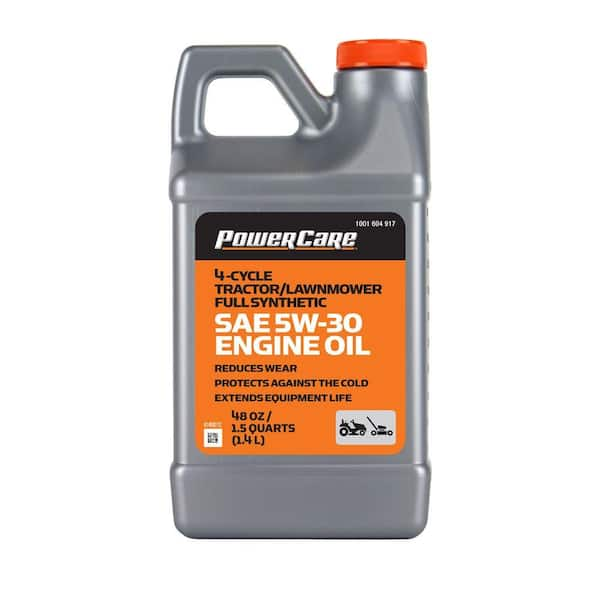
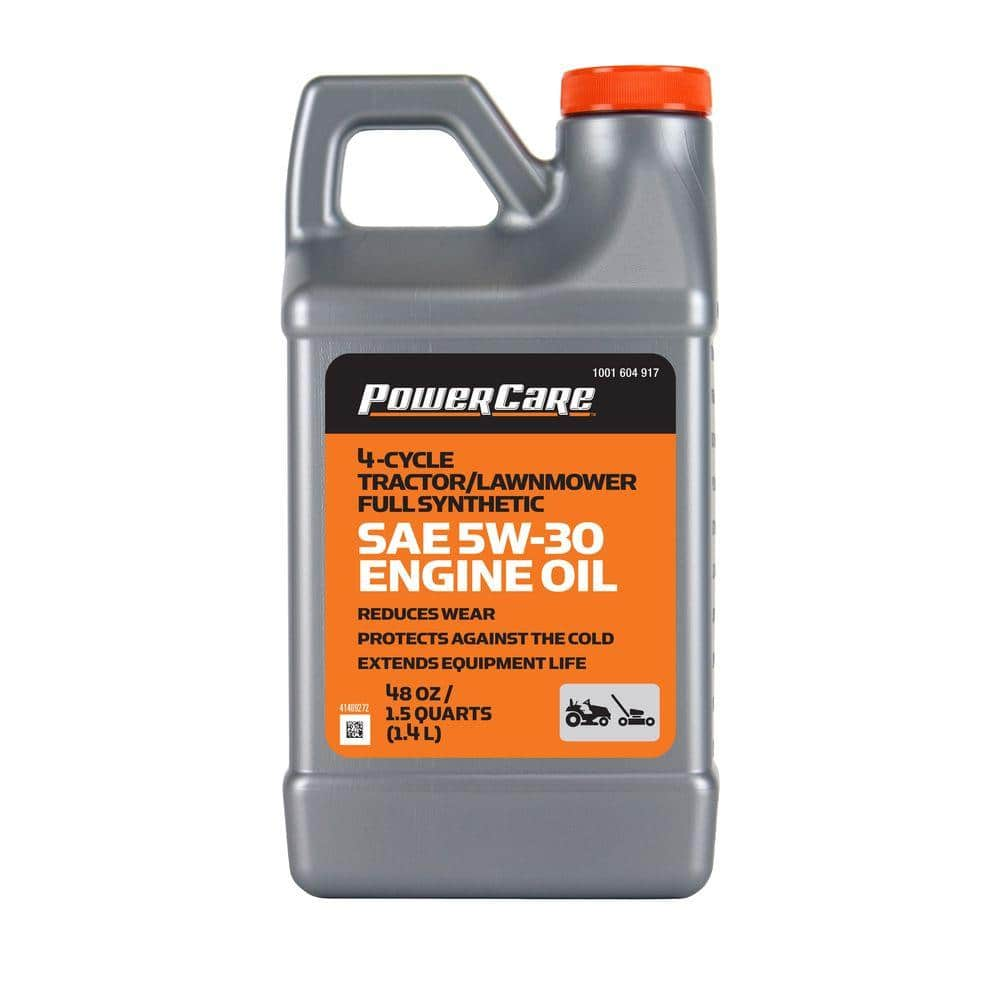
- Cold starts or full season ease: Synthetic 5W‑30 covers most temps.
- Hot, heavy use (commercial, V‑twin): Some makers allow 15W‑50 or 20W‑50.
Quick guide by temperature:
- Below 20°F: 0W‑30 or 5W‑30 synthetic
- 0–90°F: 10W‑30 (synthetic or conventional)
- 40–100°F+: SAE 30, 10W‑30, or 15W‑50 per manual
This is the core of what kind of oil does a lawn mower use: match the grade to your weather and workload, not to your car.
Conventional vs Synthetic: Which Is Better?
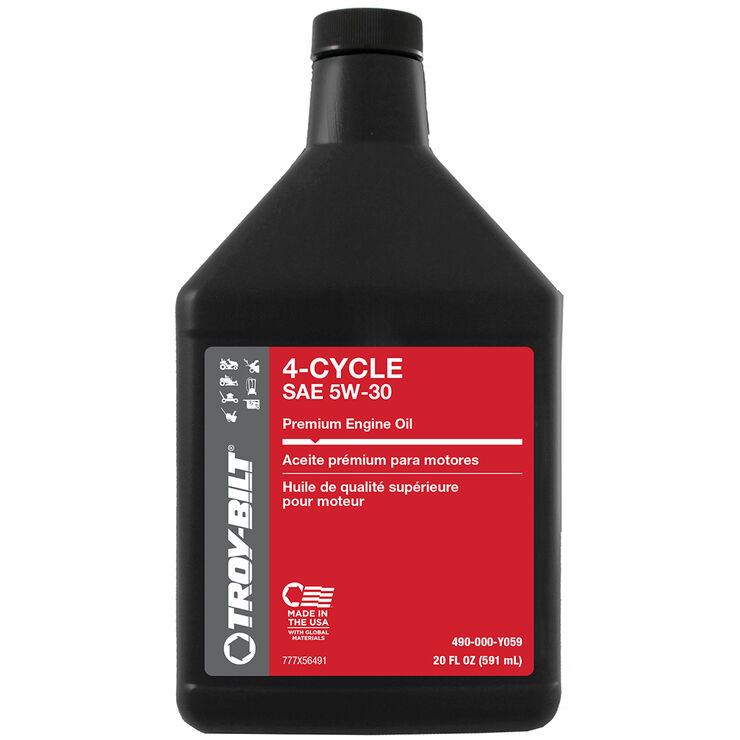
Conventional oil works. It is affordable and safe if changed on time. Synthetic oil resists heat better. It flows faster on cold starts. It also reduces varnish and keeps rings cleaner.
When I switched family mowers to synthetic 5W‑30, hot restarts got easier, and oil looked cleaner at the end of the season. That mirrors what many shop techs report.
Use synthetic if:
- You mow in big temperature swings
- You run long sessions or tall grass
- You want one oil for spring through fall
You can mix or switch between synthetic and conventional at any time. Follow the same change intervals. For searchers asking what kind of oil does a lawn mower use, the honest answer is: both work, but synthetic often works better.

Two‑Stroke vs Four‑Stroke Oil Needs
Two‑stroke engines burn oil with fuel. They need special two‑cycle oil. Do not use four‑stroke crankcase oil in two‑stroke fuel. Mix at the ratio on the label or in the manual (often 50:1 or 40:1).
Four‑stroke mowers keep oil in the crankcase. They use SAE 30, 10W‑30, 5W‑30, etc. Do not add two‑stroke oil to four‑stroke fuel.
This difference is vital in any guide on what kind of oil does a lawn mower use. Get this wrong, and you risk smoke, plug fouling, or damage.
Brand Guidance: What Major Makers Recommend
Each engine brand has its own chart. Here is what manuals commonly show. Always confirm with your exact model.
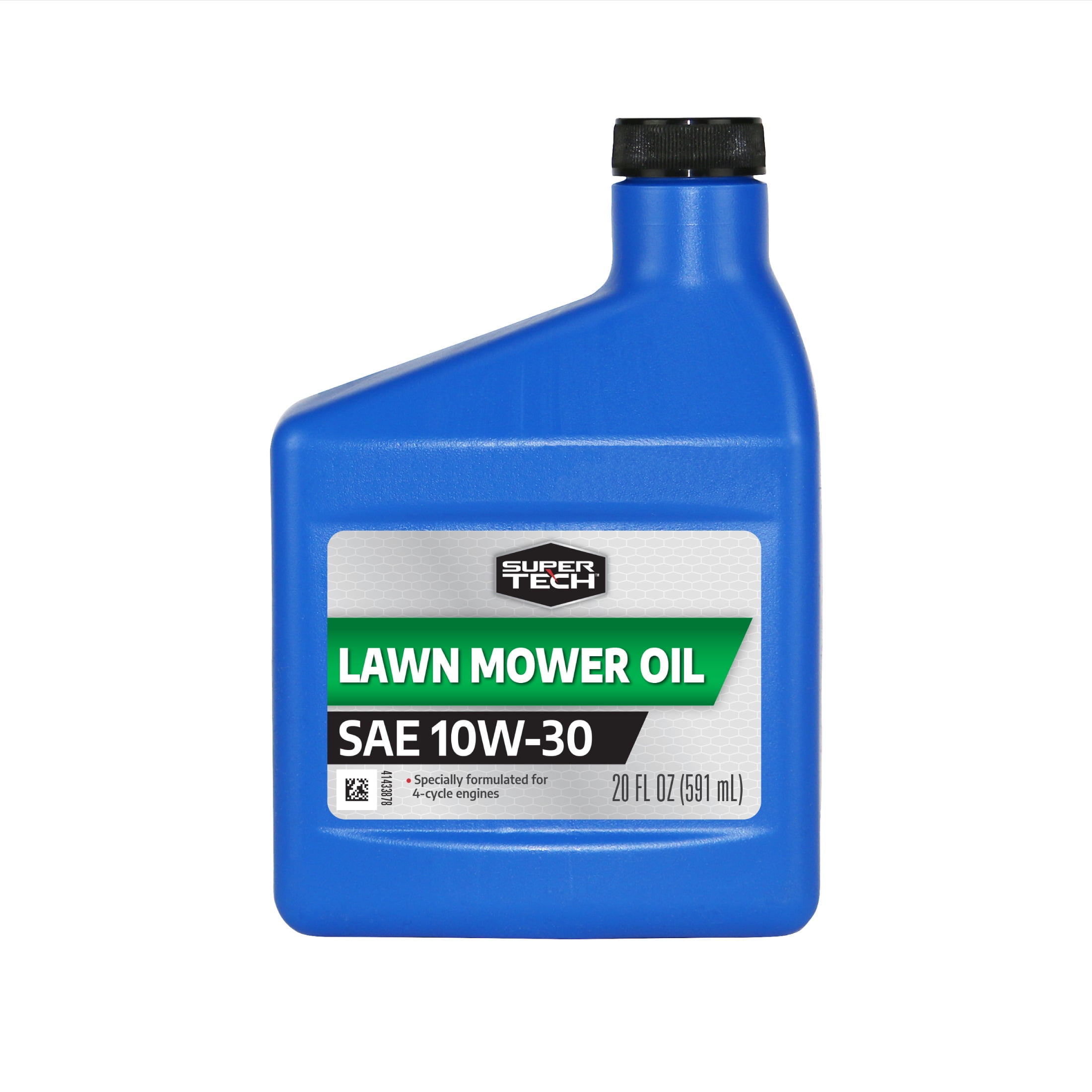
- Briggs & Stratton: SAE 30 above 40°F; 10W‑30 for 0–100°F; synthetic 5W‑30 for broad range. Some V‑twins allow 15W‑50 in heat.
- Honda: 10W‑30 for most temps; synthetic 5W‑30 is fine and helps cold starts. Use API SJ or newer.
- Kohler: 10W‑30 for general use; 5W‑30 synthetic for cold; 10W‑40 or 20W‑50 for heavy, hot loads on some models.
- Kawasaki: 10W‑40 is common; 10W‑30 or 20W‑50 allowed per climate and load. Many commercial decks use 20W‑50 in heat.
- Toro: Often 10W‑30 or SAE 30. Toro sells full‑synthetic 10W‑30 for year‑round use.
These align with the broader advice on what kind of oil does a lawn mower use across the industry.
How to Check, Top Up, and Change Your Mower Oil
A clean oil change is the cheapest tune‑up you can do. Plan on 15–30 minutes.
Check and top up
- Let the engine sit a few minutes after running.
- Set the mower on level ground.
- Remove the dipstick. Wipe, reinsert, and check level.
- Add small amounts. Recheck. Do not overfill.
Change the oil
- Warm the engine 2–3 minutes so oil flows.
- Disconnect the spark plug wire.
- Drain oil using the plug, siphon, or tilt per the manual.
- Replace the plug or set the mower upright.
- Fill with the correct grade and amount.
- Start for 30 seconds. Shut off. Recheck level and leaks.
Tips I’ve learned
- Keep a paint tray to catch oil when tilting.
- Mark the oil bottle with ounces used for next time.
- Replace the air filter and spark plug on the same day.
How Much Oil and How Often to Change
Capacity varies by engine size.
Typical amounts
- Walk‑behind mower: 12–20 oz (0.35–0.6 L)
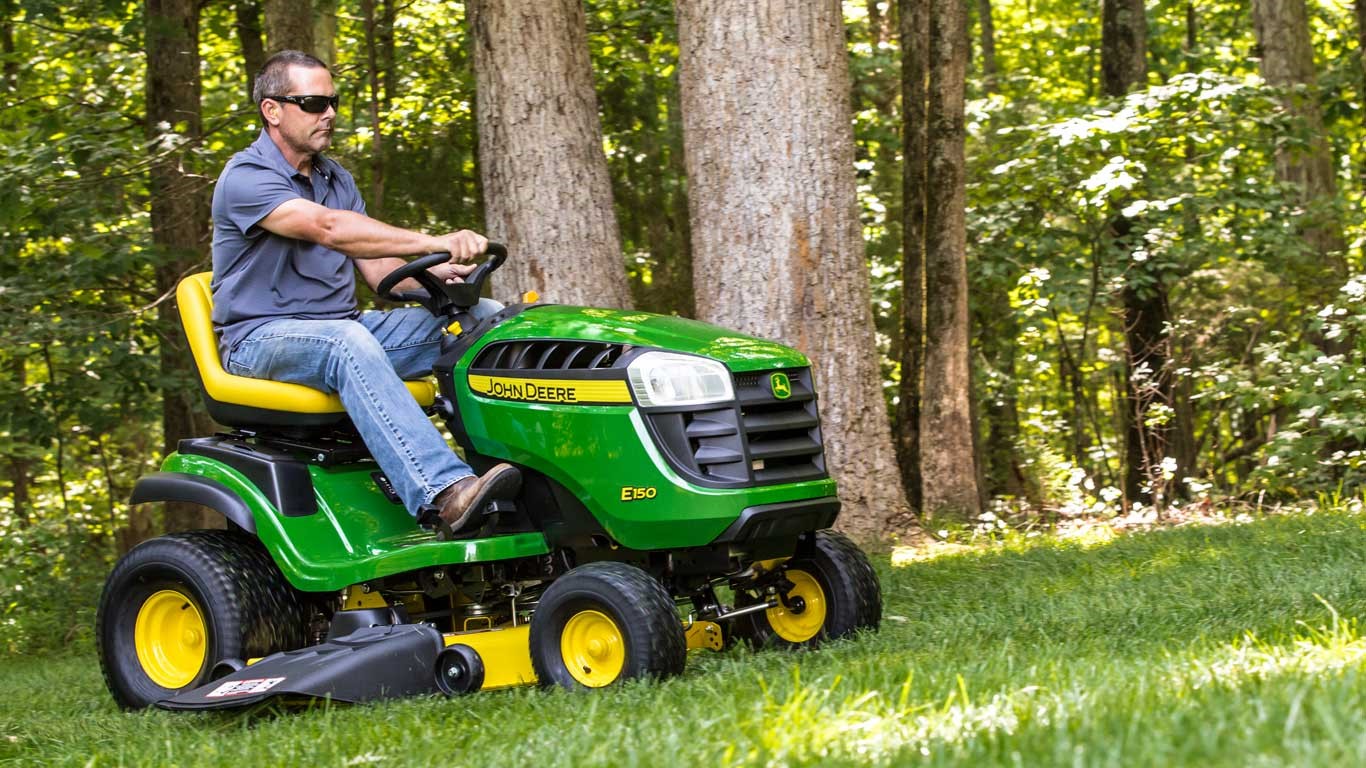
- Riding mower: 48–64 oz (1.4–1.9 L)
Intervals
- First 5 hours on a new engine, then every 25–50 hours or each season.
- Change more often in dust, heat, or heavy loads.
When people ask what kind of oil does a lawn mower use, they also need to ask how much and how often. Fresh, clean oil matters as much as the exact grade.
Common Mistakes, Symptoms, and Quick Fixes
Mistakes to avoid
- Running low on oil. This ruins bearings fast.
- Using the wrong type. Two‑stroke oil in a four‑stroke is a no‑go.
- Overfilling. It causes smoke and fouls plugs.
- Skipping changes. Old oil turns acidic and sludgy.
Watch for these signs
- Blue smoke: overfilled or worn rings
- Hard starting: oil too thick for the weather
- Loud knock: oil level low or engine wear
- Black, gritty oil: overdue change or dust ingestion
Quick fixes
- Correct the level, then run and recheck.
- Move to synthetic 5W‑30 for shoulder seasons.
- Replace the air filter to cut grit in oil.

Storage, Disposal, and Environmental Care
Store oil closed, upright, in a cool, dry spot. Label opened bottles with the date. Use within two years. Keep funnels and rags clean to avoid grit.
Never dump used oil. Pour into a sealed jug. Take it to an auto parts store or city recycling site. Most accept it for free.
If you ask what kind of oil does a lawn mower use, also ask how to treat it after use. Good disposal protects your yard and waterways.
Cost, Buying Tips, and Field‑Tested Picks
You do not need fancy racing oil. You do need the right grade and a current API rating.
Smart buys
- Synthetic 5W‑30: one bottle covers spring to fall in most places.
- 10W‑30 conventional: budget‑friendly if you change on time.
- Small‑engine labeled oils: often higher zinc for anti‑wear.
My short list
- Full‑synthetic 5W‑30 for most home users
- 10W‑30 conventional for warm climates on a budget
- 15W‑50 synthetic for hot, heavy V‑twin riders if the manual allows
Price check
- Conventional: usually cheaper per quart
- Synthetic: costs more, but you may see fewer start issues and cleaner internals
This is the practical edge of what kind of oil does a lawn mower use: buy once, use with confidence, and stick to the schedule.
Frequently Asked Questions of what kind of oil does a lawn mower use
What kind of oil does a lawn mower use in summer heat?
Many mowers run well on SAE 30 or 10W‑30 in hot weather. For long, hot sessions, some manuals allow synthetic 5W‑30 or even 15W‑50.
Can I use car oil in my mower?
Yes, if it meets API SJ or newer and the correct viscosity. Avoid low‑viscosity oils not listed in your manual.
How often should I change mower oil?
Change after the first 5 hours on a new engine, then every 25–50 hours or once per season. Change sooner if you mow dusty lots or tall, wet grass.
What if my mower smokes after an oil change?
It may be overfilled or have oil in the muffler from tilting. Set the level to the dipstick mark, run 5–10 minutes, and recheck.
Does synthetic oil make a mower leak?
No. Synthetic does not cause leaks. It can reveal old gasket leaks because it cleans deposits, but it does not create them.
How much oil does a push mower hold?
Most hold 12–20 ounces. Check your manual or measure what drains out and refill to the dipstick mark.
Do two‑stroke mowers use the same oil?
No. Two‑strokes use special two‑cycle oil mixed with fuel at the listed ratio. Four‑stroke mowers use crankcase oil like SAE 30, 10W‑30, or 5W‑30.
Conclusion
Picking the right oil is simple: match the viscosity to your climate, choose a current API rating, and keep it fresh. For most users, synthetic 5W‑30 or 10W‑30 covers the full season, while SAE 30 still shines in steady summer heat. Now that you know what kind of oil does a lawn mower use, check your dipstick, grab the right bottle, and give your engine a longer, easier life.
Ready for next steps? Change your oil this weekend, bookmark this guide, and share it with a neighbor who still pulls the cord ten times.