

Mow high, mow often, keep blades sharp, and mulch clippings to feed the soil.
If you have ever wondered what is the best way to mow your lawn, you are in the right place. I have managed home lawns and client properties for years, and I know the small choices that make big differences. This guide breaks down what is the best way to mow your lawn in clear steps, backed by turf science and real-world practice. Stick with me, and you will cut smarter, grow thicker grass, and love the results.
Why Mowing Technique Matters
The way you mow shapes root depth, disease risk, and weed pressure. Short cuts stress plants and invite crabgrass and bare spots. Good mowing builds dense, deep-rooted turf that crowds out weeds.
Healthy grass acts like a living filter. It cools your yard, reduces runoff, and supports soil life. If you want to know what is the best way to mow your lawn, it starts with protecting the plant first.
Set the Right Mowing Height
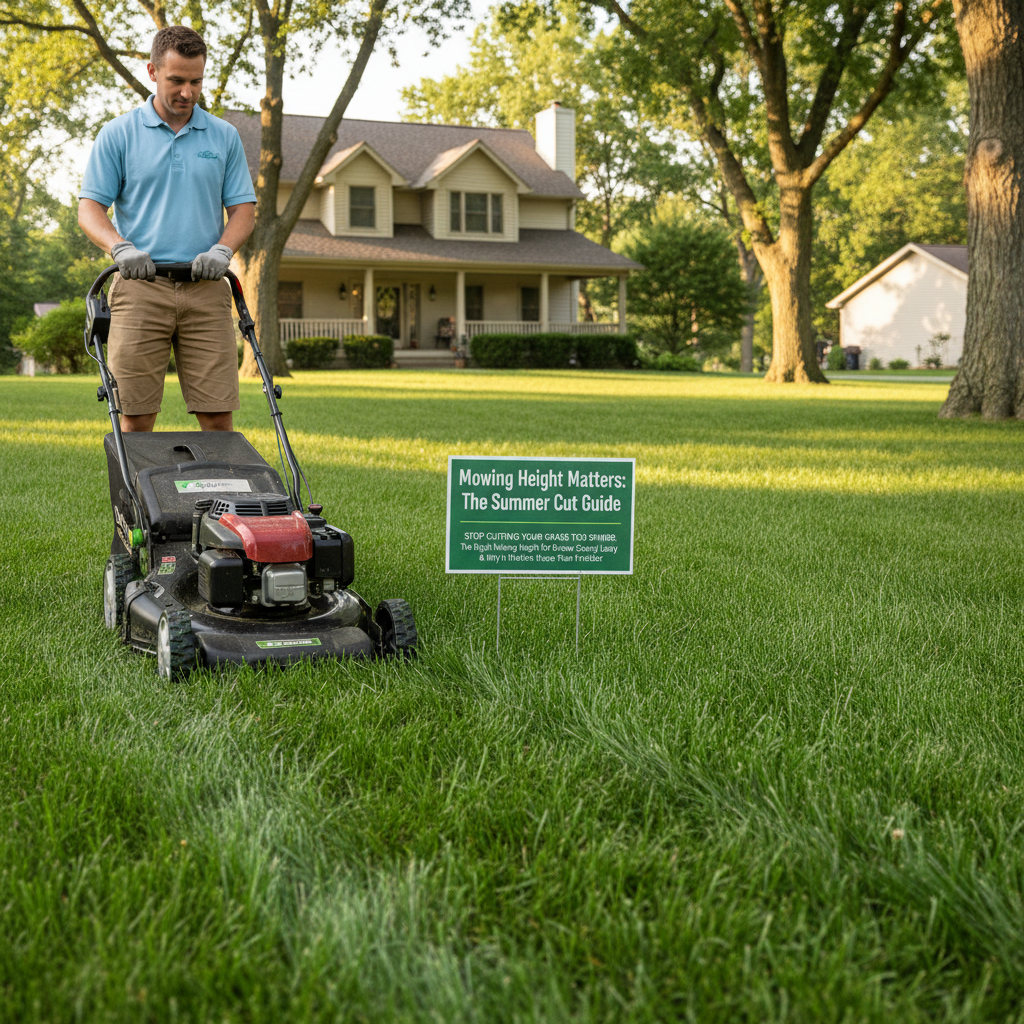
Height is the lever that controls lawn health. Most cool-season lawns like Kentucky bluegrass, fescue, and ryegrass do best at 2.5 to 4 inches. Warm-season lawns like Bermuda and Zoysia often look best at 1 to 2 inches, while St. Augustine likes 2.5 to 4 inches.
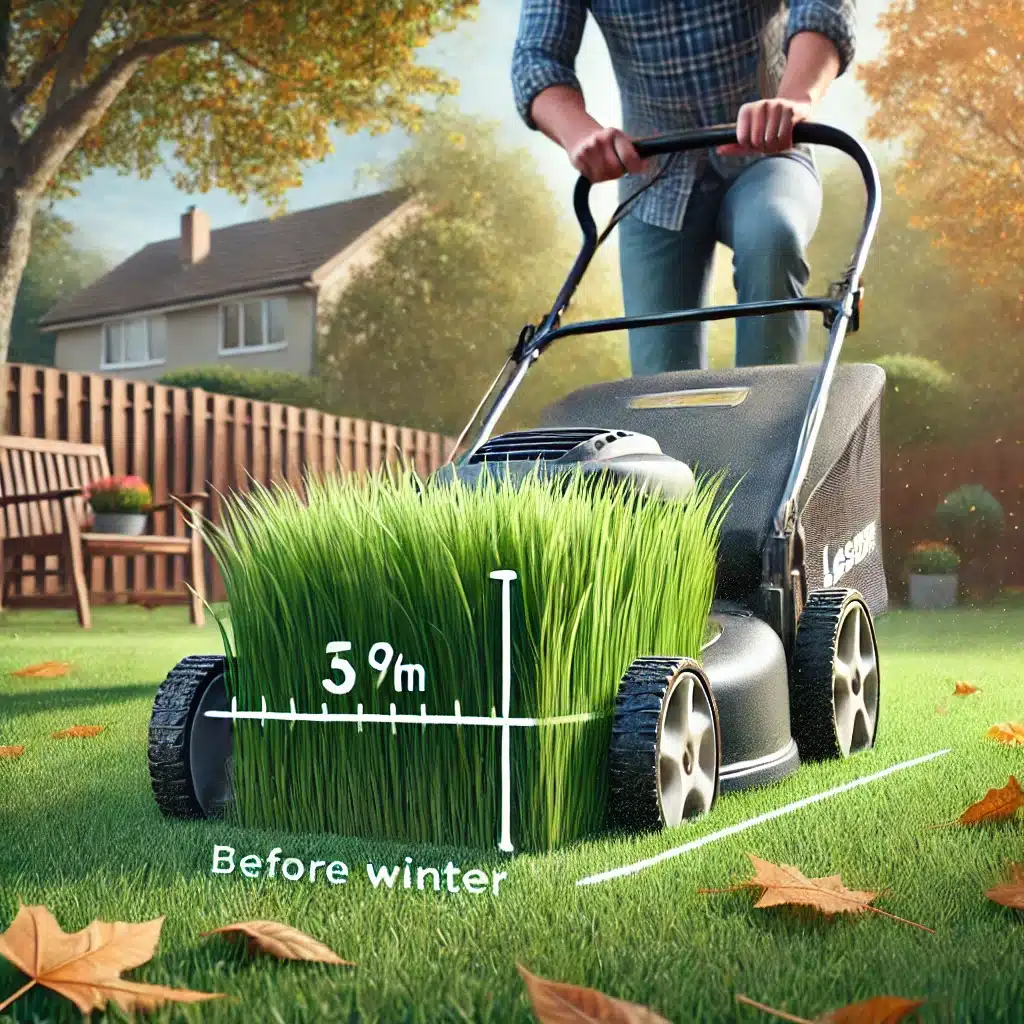
Use the one-third rule. Never remove more than one-third of the blade at a time. If you ask what is the best way to mow your lawn, the right height is the first answer.
Tips to lock in height
- Measure once with a ruler from hard ground to blade tip.
- Set deck a bit higher in summer heat to shade soil.
- Raise height in shade to help thin turf keep leaf area.

Match Mowing Frequency to Growth
Grass growth speeds up after rain, cool nights, and spring or early fall weather. It slows down in heat, drought, and deep shade. Adjust the schedule to the plant, not the calendar.
I mow most cool-season lawns every 4 to 7 days in peak spring. In summer heat, I stretch to 10 to 14 days. If you still wonder what is the best way to mow your lawn, the honest key is to mow when the grass needs it.
Use Smart Patterns and Clean Technique
Change direction each mow. Go north–south one week and east–west the next. This reduces ruts and grain and lifts bent blades.
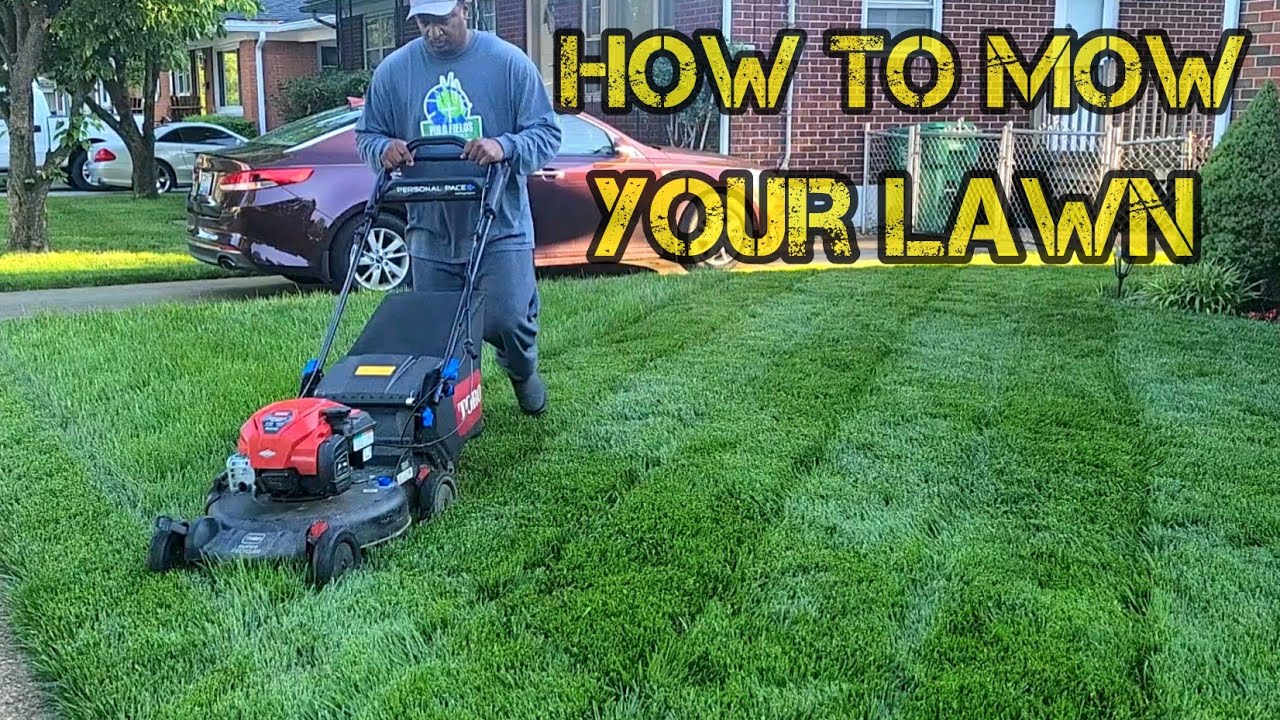
Overlap your passes by 2 to 3 inches for an even cut. Trim edges first so clippings get mulched on the next passes. Two or three laps around the perimeter make turns cleaner. Steady pace gives a smooth cut and nice stripes.

Keep Blades Sharp and the Mower Tuned
Dull blades tear grass. Tearing turns tips brown and opens doors to disease. Sharp blades cut clean and help the lawn stay green.
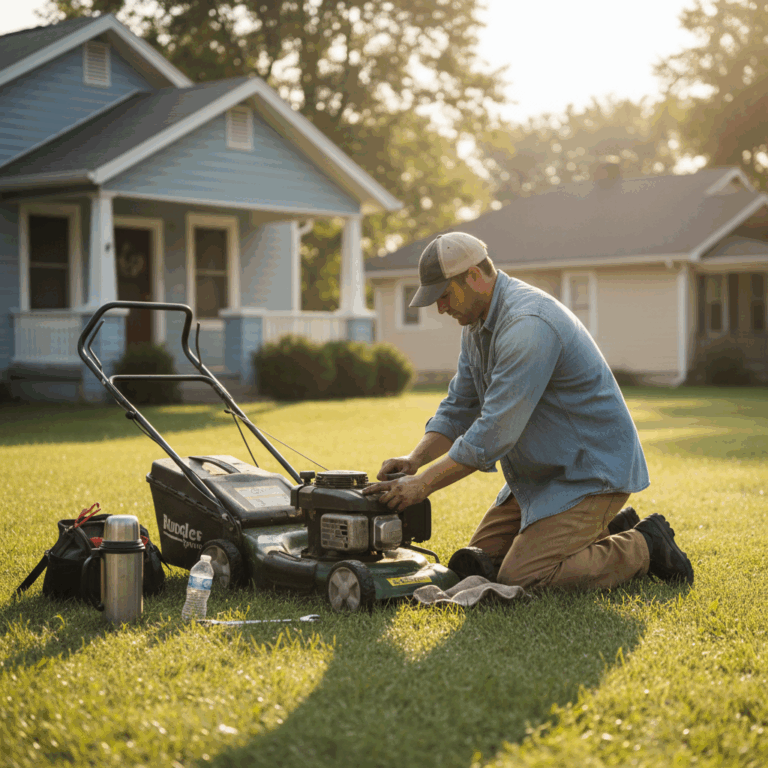
I sharpen every 20 to 25 mowing hours or sooner if I see frayed tips. Level the deck and keep tire pressure equal. If you are serious about what is the best way to mow your lawn, sharp blades and a tuned deck are non-negotiable.
Mulch vs Bag vs Side Discharge
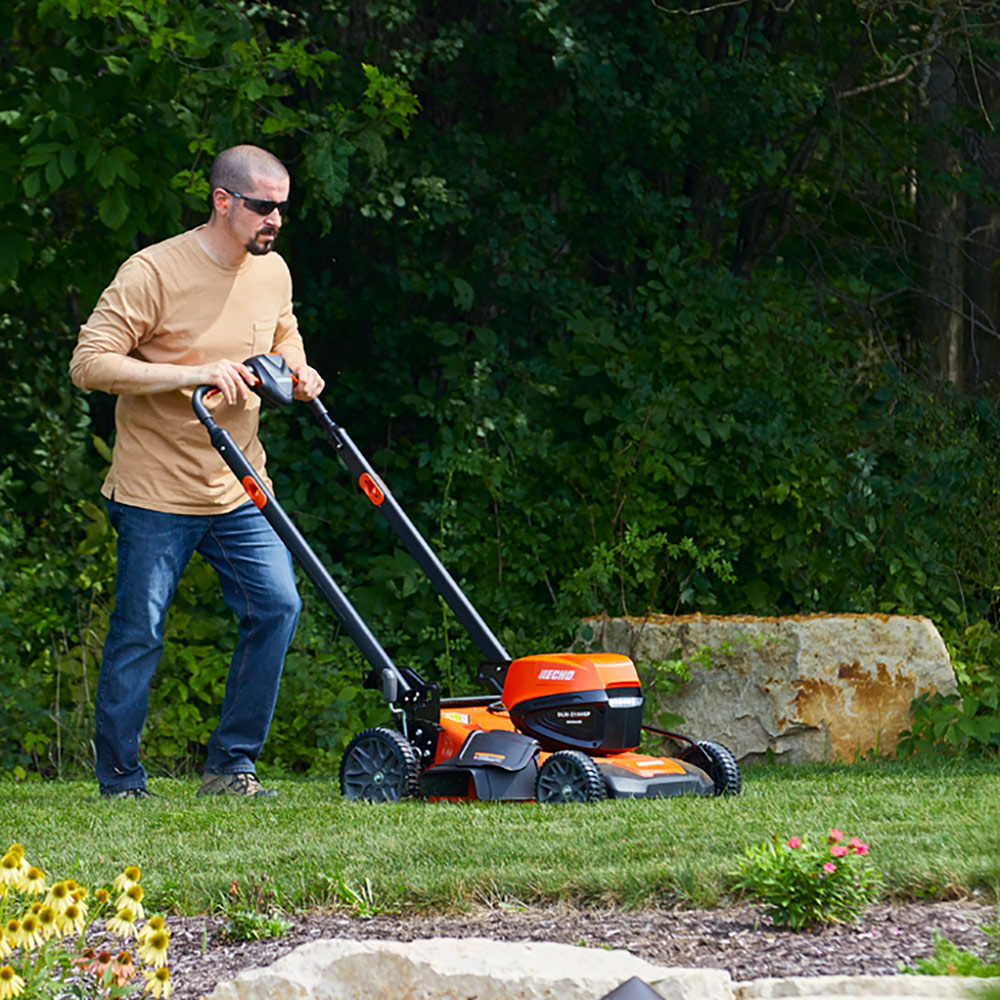
Mulching returns nitrogen and organic matter to the soil. It also saves time and keeps clippings out of landfills. Research shows mulching can reduce fertilizer needs by up to a quarter over time.
Bag only when you let it grow too tall, when seeding, or if disease is active. Side discharge works in tall, wet growth but can leave rows. What is the best way to mow your lawn most weeks? Mulch when the leaf height is dry and manageable.
Seasonal Strategies That Work
Spring brings rapid growth. Mow a bit more often and keep blades sharp. Early summer heat calls for a higher cut and steady mulching to shade the soil.
In peak summer, avoid afternoon cuts. Mow in the evening or morning to reduce stress. In fall, lower height slightly for the last two cuts to reduce snow mold risk in cool-season lawns. In winter, avoid mowing frozen or frosty turf.

Choose the Right Mower for Your Grass and Yard
Reel mowers give the cleanest cut at low heights on level, warm-season turf. Rotary mowers handle mixed lawns and taller heights. Battery mowers are quiet and low-maintenance with enough power for most suburban lots.
Key setup points
- Pick a deck size that fits your yard and gates.
- Level the deck front-to-back and side-to-side.
- Clean under the deck to improve airflow and cut quality. If you care about what is the best way to mow your lawn, match the tool to the task.
Safety and Neighbor-Friendly Habits
Wear eye and ear protection. Check the lawn for sticks, toys, and stones before you start. Keep kids and pets inside while you mow.
Mind local quiet hours. Avoid mowing when lawns are wet. This protects soil, reduces clumps, and keeps noise down for the block.
Eco-Friendly Mowing and Soil Health
Battery mowers cut emissions and noise. Sharp blades reduce engine load and save energy. Mulching feeds microbes that build soil structure and hold water.
Leave clover if you like a low-input lawn. Clover fixes nitrogen and stays green in heat. If a low-impact yard is your goal, what is the best way to mow your lawn also means mowing less often and a bit higher.
A Simple, Proven Mowing Routine
Follow this step-by-step plan I use with clients for a healthy, clean lawn.
- Check soil moisture. Mow when grass is dry to the touch.
- Walk the yard. Remove debris and mark sprinkler heads.
- Set height. Cool-season at 3 to 3.5 inches in summer; warm-season as the species allows.
- Sharpen or swap blades if tips look frayed.
- Trim edges first.
- Make two perimeter laps.
- Mow in straight lines, change direction from the last mow, and overlap slightly.
- Keep a steady, moderate pace.
- Mulch clippings unless growth is very tall or disease is active.
- Spot rake any clumps right away.
- Blow or sweep walks; keep clippings off streets and drains.
- Rinse the deck underside and store with the battery charged or fuel stabilized.
If anyone asks you what is the best way to mow your lawn, hand them this checklist. It works.
Troubleshooting Common Mowing Problems
Scalping looks like brown streaks and stunted spots. Raise the deck and smooth high spots with topdressing.
Uneven cut often means dull blades, low tire pressure, or an unlevel deck. Clumping points to wet grass or moving too fast. Ruts and stripes in the same direction mean you need to vary your pattern. This is part of what is the best way to mow your lawn over the long run.
Frequently Asked Questions of what is the best way to mow your lawn
What is the best way to mow your lawn?
Mow high, follow the one-third rule, use sharp blades, and mulch clippings. Change patterns, mow when dry, and keep a steady pace.
How often should I mow during summer heat?
Mow less often but keep the height higher to shade the soil. Aim for the one-third rule rather than a fixed weekly plan.
Is it better to bag or mulch when mowing?
Mulch most of the time to return nutrients and improve soil. Bag only when grass is too tall, diseased, or during leveling and overseeding.
What time of day is best for mowing?
Late afternoon or early evening is gentle on the plant. Avoid dew-heavy mornings and hot afternoons to limit stress and clumping.
How do I stop mower lines and ruts?
Change directions each mow and vary your start point. Keep tire pressure even and avoid mowing when soil is soft or wet.
What height should I cut cool-season grass?
Most cool-season lawns look best at 2.5 to 4 inches. In summer, lean toward the higher end to reduce heat and drought stress.
Do electric mowers cut as well as gas?
Modern battery mowers cut very well with sharp blades and a clean deck. Choose a model with enough torque and the right deck size for your lawn.
Conclusion
Great mowing is simple and steady. Set the right height, mow often enough, keep blades sharp, and mulch when you can. Match your mower to your grass, change directions, and protect the plant first.
Start this plan on your next mow and watch your lawn respond in two to three weeks. If you found this helpful, subscribe for more yard tips or leave a comment with your results and questions.