

Build sturdy beds, fill with rich soil, and plant smart for big harvests.
Raised beds make gardening simple, fast, and fun. In this guide on Raised Bed Gardening: Tips for Building and Planting, I share the steps, soil recipes, spacing rules, and proven tricks I use in my own beds. You will learn how to design a bed that drains well, grows strong roots, and gives steady yields. Stick with me and you will feel ready to build and plant this weekend.
Why raised beds work?
Raised beds give you control. The soil drains well. It warms early in spring. You can pack more plants in a small space. The edges define paths, so soil stays loose. Beds are easy to reach, so your back and knees get a break.
You also cut down on weeds. You can start with clean soil and mulch on top. This mix helps crops outcompete weeds. Many gardeners see faster growth and better yields in raised beds than in native ground.
There are limits. Beds dry out faster, so steady watering is key. Start-up costs can be higher than in-ground plots. Some materials are not food safe. Choose wood and hardware with care. Raised Bed Gardening: Tips for Building and Planting will help you weigh the trade-offs and set up right the first time.

Plan your space and design
Pick a spot with full sun. Most crops need at least six to eight hours a day. Place beds near a water source. Leave paths wide enough to move a wheelbarrow.
Good bed sizes keep reach short. I like four feet wide by eight feet long. Three feet wide works great for kids. Bed height can range from eight inches to two feet. Taller beds help if you have heavy clay, gophers, or mobility needs.
Choose safe, durable materials. Untreated cedar and redwood last a long time. Heat-treated pallets marked HT can work for non-food beds, but I avoid them for food. Modern treated lumber without harmful chemicals is often safe for food gardens. Galvanized steel kits are strong and clean. Concrete blocks work too, but seal holes where pests hide. Avoid old railroad ties. They may leach creosote.
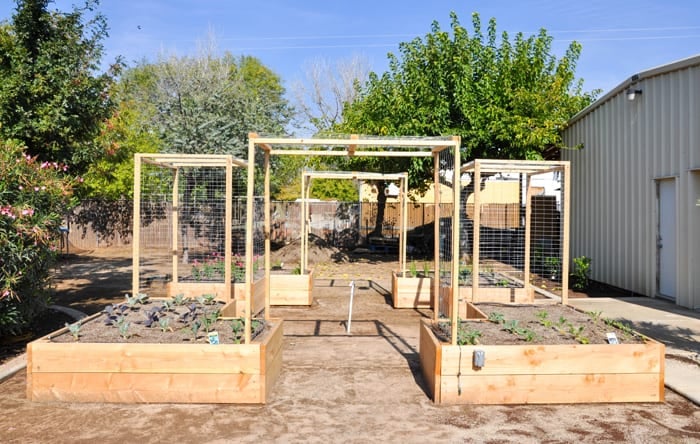
Plan for airflow and sun. Long edges north to south give even light. If you add trellises, place them on the north side so they do not shade shorter crops. Raised Bed Gardening: Tips for Building and Planting starts with smart layout to make care easy.
Build strong, square, and safe
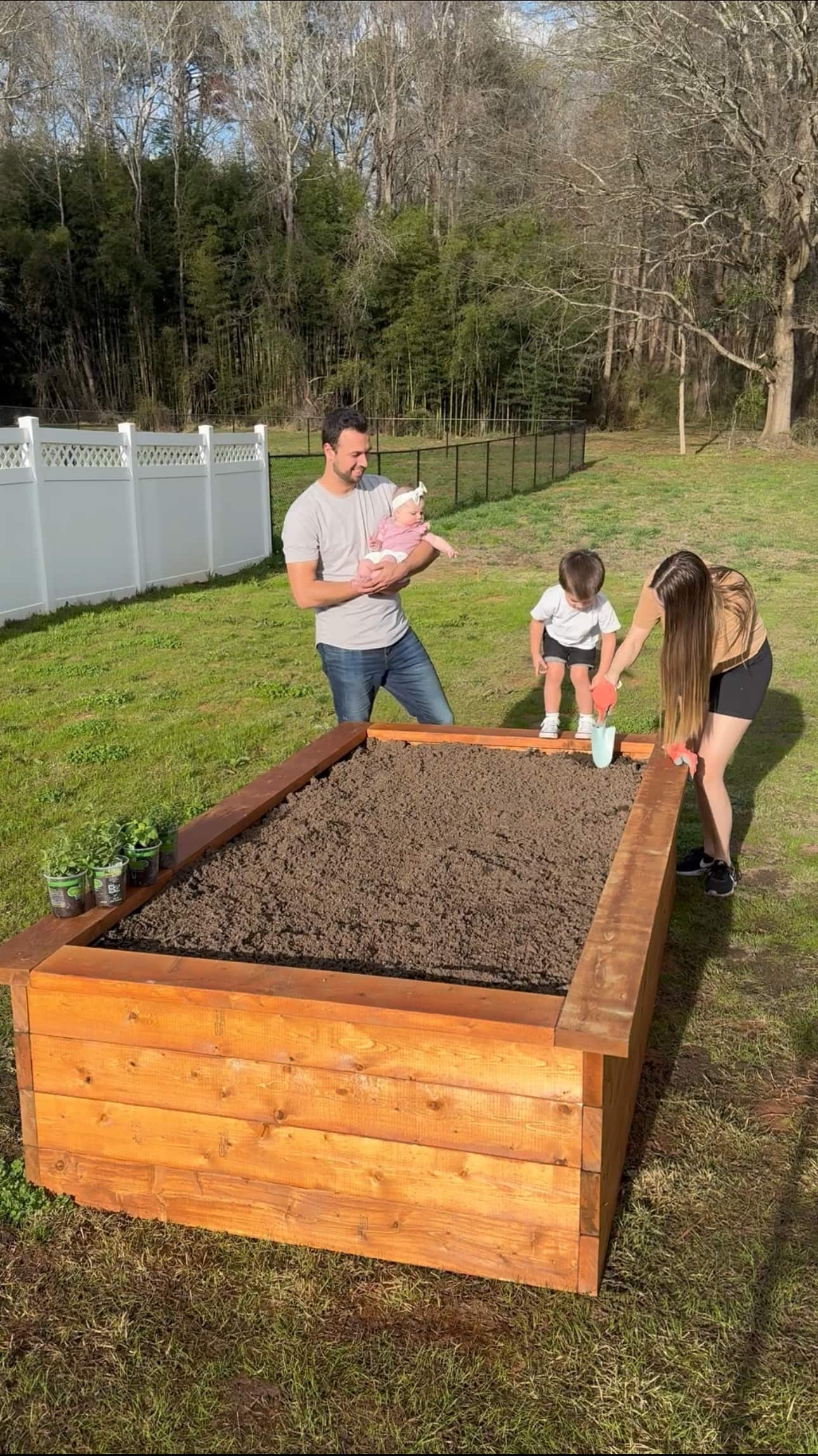
Here is a simple build I use often.
Tools and hardware
- Tape measure, square, level, and pencil
- Drill or driver with exterior screws
- Corner brackets for strength
- Staple gun for mesh or fabric
- Hand saw or circular saw if you cut boards
Steps
- Mark the outline. Remove grass in the bed area.
- Level the ground. Beds sit best on flat soil.
- Pre-drill boards. Fasten corners with screws and brackets.
- For burrowing pests, line the bottom with hardware cloth. Use a half-inch mesh and staple it tight.
- I skip solid plastic liners. They block drainage. Use a layer of cardboard to smother weeds. It breaks down in a season.
- Oil wood with raw linseed oil to slow weathering.
Do not compact inside the bed. Once the frame sits in place, avoid walking in it. Raised Bed Gardening: Tips for Building and Planting works best with loose soil and strong corners that resist bowing.

Source: empressofdirt.net
Fill with living soil
Soil is the engine. I test mixes often. A simple blend that works well is 40 percent screened topsoil, 40 percent mature compost, and 20 percent coarse material like pine bark fines or perlite. This keeps air and water in balance.
Another popular mix uses equal parts compost, coco coir, and coarse vermiculite. I prefer coco over peat for sustainability. Blend dry parts, then moisten until it feels like a wrung-out sponge. Use the squeeze test. If water streams out, it is too wet. If it falls apart like dust, add water.
Add gentle nutrition. I like worm castings, kelp meal, and slow minerals. Avoid hot, fresh manures. They burn roots. Do not fill beds with straight compost. It can compact and hold too much water. Raised Bed Gardening: Tips for Building and Planting always comes back to soil that drains, breathes, and feeds.
Budget tip. If the bed is tall, fill the bottom third with logs and sticks. Then add leaves and rough compost. Top with your soil blend. This saves money and builds a sponge layer as wood breaks down.
Planting plans and spacing
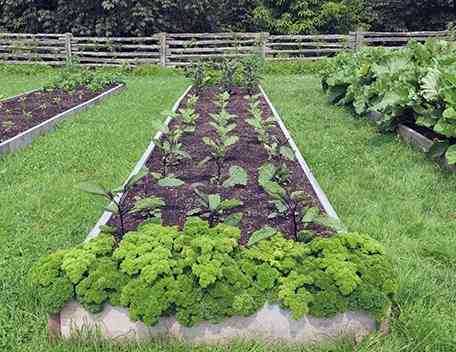
Plan by family and season. Rotate crops by family each year to reduce pests. Keep tomatoes, peppers, and potatoes apart across years. Pair heavy feeders like tomatoes with a future cover crop area.
Use tight, clear spacing. A simple grid works well. For example:
- Lettuce: 6 to 8 inches apart
- Carrots: 3 inches apart in rows
- Kale: 12 to 18 inches apart
- Tomatoes: 18 to 24 inches apart with a trellis
- Bush beans: 4 to 6 inches apart
Add support early. I install trellises when I plant. This avoids root damage later. Succession plant every two to three weeks. Sow more lettuce, radish, or beans to keep the harvest going. Raised Bed Gardening: Tips for Building and Planting shines with a clear plan and steady plantings.
Personal tip. My best early harvests came from a spring mix of spinach, radish, and green onions. They share space well and mature at different times.
Watering, mulching, and fertilizing
Water deep and steady. Morning is best. Drip lines or soaker hoses save time and water. I run a half-inch main line with quarter-inch emitters to each row. Check flow at the far end. Adjust until all plants get even moisture.
Mulch after the soil warms. Use straw, shredded leaves, or fine wood chips on top. Keep mulch an inch away from stems to prevent rot. Mulch cuts weeds and slows water loss.
Feed soil, not plants. Add compost each season. Use gentle, slow-release organic feeds. Liquid kelp can help stressed plants. Avoid strong salt-based fertilizers in beds. They build up over time. Raised Bed Gardening: Tips for Building and Planting calls for simple, repeatable care.
Seasonal care and maintenance
Spring. Top up beds with fresh compost. Test moisture before planting. Pre-warm soil with clear plastic or a low tunnel if your spring is cold.
Summer. Watch soil moisture. Add shade cloth in heat waves. Prune for airflow in tomatoes and cucumbers. Remove sick leaves at once.
Fall. Sow garlic, onions, or a cover crop like oats and peas. Cover soil with leaves. Plant hardy greens for late harvests.
Winter. Protect perennials with mulch. Drain hoses. Secure trellises. Plan next year’s crop rotation. Raised Bed Gardening: Tips for Building and Planting is a year-round habit that builds better soil each season.

Pests, diseases, and weeds
Start with prevention. Healthy soil, clean tools, and right spacing stop many problems. Row covers keep cabbage worms and beetles out. Netting keeps birds off berries. Hand pick hornworms at dusk. A small blacklight helps you spot them fast.
For slugs, use beer traps or iron phosphate baits. For aphids, spray a firm stream of water and bring in ladybugs by planting dill and alyssum. For fungal disease, water at soil level, not on leaves. Prune for airflow. Remove infected leaves and trash them, not the compost.
Weeds are simple in beds. Mulch thick and pull small weeds weekly. Raised Bed Gardening: Tips for Building and Planting reduces pressure by starting with clean soil and strong plants.

Common mistakes and how to avoid them
Crowding plants. Give each crop room. Airflow stops disease.
Poor soil. Cheap fill leads to weak growth. Invest in compost and structure.
Too little sun. Most crops love full sun. If you have shade, grow greens and herbs.
Shallow beds. Roots need depth. Aim for at least 10 to 12 inches for most veggies.
No plan for water. Beds dry fast. Set drip lines on a timer if you can.
Raised Bed Gardening: Tips for Building and Planting is forgiving, but these fixes speed your success.
Budget and sustainability tips
Source compost in bulk to cut costs. Many towns sell screened compost. Gather fall leaves for free mulch. Use leaf mold to boost structure. Save rainwater in barrels for summer.
Choose long-lasting materials. Cedar boards and galvanized beds last many years. Rotate crops. Plant flowers that feed bees and parasitic wasps. They help control pests. Raised Bed Gardening: Tips for Building and Planting pairs well with low-waste habits.
Tools and supplies checklist
- Boards or bed kit and corner brackets
- Exterior screws and drill
- Level, square, tape measure, and pencil
- Hardware cloth for pests if needed
- Cardboard for weed smothering
- Soil mix parts and compost
- Mulch such as straw or leaves
- Drip line, timer, and mulch pins
- Trellis netting, stakes, and twine
- Hand trowel, pruners, and a watering can
Keep these on hand. It speeds every task in Raised Bed Gardening: Tips for Building and Planting.
30-day build-and-plant action plan
Week 1
- Pick your spot and measure beds and paths.
- Buy materials and lay out frames.
Week 2
- Build frames. Install mesh if needed. Set beds level.
- Blend soil. Fill and water-in to settle.
Week 3
- Install drip and trellises. Plan crop layout.
- Plant cool or warm season crops for your zone.
Week 4
- Mulch, label rows, and set a watering schedule.
- Scout daily. Pull small weeds. Add more seeds for succession.
By day 30, you will be harvesting greens. Raised Bed Gardening: Tips for Building and Planting pays off fast when you follow a simple plan.
Frequently Asked Questions
How deep should a raised bed be?
Ten to twelve inches works for most vegetables. Root crops and tomatoes do better with 12 to 18 inches of depth.
What soil mix is best for raised beds?
Blend topsoil, compost, and a coarse aeration material. Aim for a loose, rich mix that drains well but holds moisture.
How often should I water a raised bed?
Water when the top inch is dry. In hot weather, most beds need deep watering three to four times a week with drip.
Can I use treated lumber for food gardens?
Many modern treated boards are rated safe for gardens. If unsure, use cedar, redwood, or steel beds for peace of mind.
How do I stop weeds from growing up into the bed?
Use cardboard over the ground and a thick mulch on top. Avoid plastic liners that block drainage and harm soil life.
What can I plant together in a small bed?
Pair fast growers with slow ones, like radish with carrots. Plant tall crops north of low crops to avoid shade.
Do raised beds need fertilizer?
Add compost each season and use gentle, slow-release feeds. Avoid strong salts that can build up in closed beds.
Conclusion
You now have a clear path to build, fill, and plant a productive bed. Start with a sturdy frame, a living soil mix, and a simple plan for water and spacing. Stay steady with small, weekly care. Your garden will repay you with fresh food and pride.
Ready to begin? Use these Raised Bed Gardening: Tips for Building and Planting today. Build one bed, plant a few favorites, and share your results. Subscribe for more guides, or leave a comment with your garden goals.